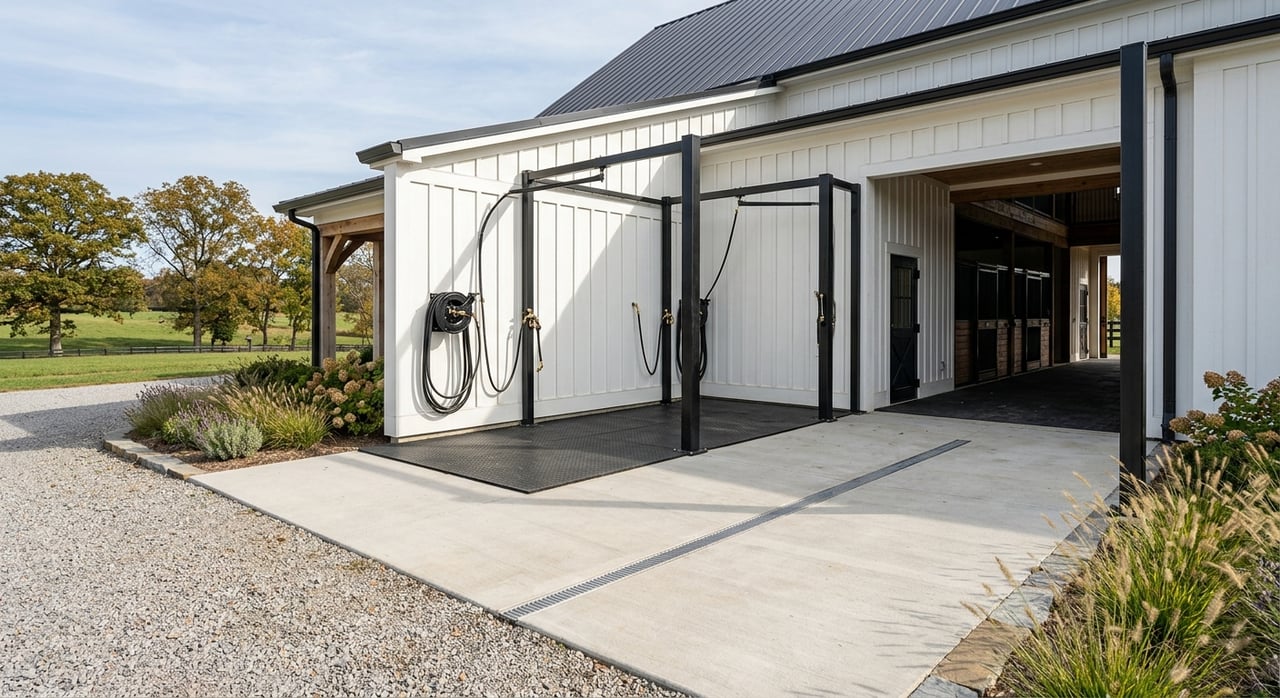
What Penngrove Equestrian Facility Buyers Should Check
July 9, 2026
July 9, 2026
Buying a horse property in Penngrove, Petaluma, Sebastopol or anywhere in Sonoma County can feel exciting right up until the details start piling up. A pretty barn, a level arena, and a few fenced paddocks may look right at first glance, but equestrian real estate here works as a system, not a set of separate features. If you want to buy with confidence, you need to look at zoning, drainage, barn function, access, and winter usability together. Let’s dive in.
Horse-property due diligence is about more than charm or curb appeal. Sonoma County’s rainy season runs from October 1 through April 30, with an average 28.35 inches of annual precipitation, and most rain falling in winter. That means a property that looks simple and usable in summer can perform very differently once the ground gets wet.
When you tour an equestrian property, it helps to think beyond the listing description. The real question is whether the site works safely, legally, and practically for horses year-round. That includes how water moves, how vehicles reach the barn, and whether the existing horse use matches county rules.
A well-built facility only helps you if the use fits the parcel’s zoning. Sonoma County zoning rules are not one-size-fits-all, and horse boarding or training can require different levels of approval depending on the district and the specific use. In some residential and agricultural zones, boarding horses that are not owned by the occupant or owner may require a zoning permit.
If you are looking at a property for personal use, boarding, or training, ask exactly how the current horse use is classified. You want to know whether it is permitted outright, allowed with prior approval, or dependent on a conditional or zoning permit. If the parcel is under a Williamson Act contract, that can add another layer of review.
Sonoma County’s Right to Farm ordinance also shapes what rural ownership can feel like in practice. Properly conducted agricultural operations in unincorporated agricultural areas may include noise, odors, dust, machinery, manure handling, and other impacts that are not treated as a nuisance when conducted properly. For a buyer, that means expectations about neighboring activity should be part of your decision.
Before you get attached to the barn layout, verify how the property handles wastewater and water supply. Some properties may be on sewer, while others may rely on on-site septic systems.
If a parcel uses septic, the leach field location matters more than many buyers realize. Sonoma County building rules note that grading or construction for a barn can interfere with a leach field and requires approval from the well and septic section. In practical terms, a future wash rack, barn addition, or turnout improvement may not fit where you expect.
You should also request the property’s well permits, pump-test records, and any septic or sewer clearances available. These records help you understand whether the site’s basic systems can support your intended use. For an equestrian property, that is foundational.
A beautiful barn is not always a functional barn. During your tour, measure key spaces instead of relying on broad terms like stable or equestrian-ready. A 12-by-12-foot stall is the standard recommendation for a typical 1,000-pound horse, walls under 10 feet are not recommended, and ceiling height is commonly 10 to 12 feet, higher is always better.
These dimensions matter because they affect daily handling, safety, and comfort. Door openings should be large enough for both horse and handler, fixtures should be smooth, and latches should be out of a horse’s reach. A barn that looks attractive in photos may still fall short in practical use.
Ventilation should be obvious when you walk through the barn. If the barn is occupies, check air quality at floor level, where dust, ammonia, moisture, and odor are often concentrated near stalls. Good airflow may come from open wall sections, eave openings, ridge openings, or a combination of these features. Look to see how urine is draining from stalls, or is it being removed with shavings daily.
If the barn feels stuffy, damp, dusty, or hot, treat that as a warning sign. Older structures can be visually appealing, but charm does not replace airflow. Hay and bedding storage inside the stable can also increase dust and reduce ventilation quality.
Fire safety deserves the same level of attention. Barn fires can be fueled by hay, bedding, dust, electrical problems, heaters, and smoking. During your inspection, review wiring, heater placement, hay storage, smoke exposure, alarms, and water access as one connected fire-risk system.
Sonoma County’s fire code also reflects a broader focus on fire-safe construction and access. Roof coverings must meet code, and while agricultural buildings such as barns may be exempt from some defensible-space provisions, vegetation hazard reduction is still part of the countywide safety picture.
Drainage is never a cosmetic issue. Sonoma County grading and drainage rules require construction to maintain natural and existing drainage patterns, limit post-development runoff, and size drainage facilities for at least the 10-year design discharge. A flat-looking arena or paddock may still have serious performance issues if the base, drainage, or runoff plan was poorly designed.
This matters even more because most local rainfall arrives in winter. A property that rides well in July may become muddy and hard to use by November. That is why dry-season tours should never be your only evaluation method.
University of California Agriculture and Natural Resources Division guidance recommends placing high-use horse areas such as paddocks, stalls, arenas, and alleyways on higher, drier ground with a slight 1 to 2 percent slope. It also recommends keeping these areas away from low spots, drainages, floodplains, and upslope runoff. Features like base rock, sand, geotextile fabric, crowning, filter strips, and regular manure cleanup can all improve long-term performance.
Penn State guidance on all-weather turnout also points to stabilized subgrade, compacted base layers, and cushioned top surfaces as key parts of mud-free paddock design. Gates, feeders, shelters, and travel lanes are often the first places to break down. If a property does not already have a sacrifice paddock or stabilized high-traffic area, you should factor in the cost and space needed to create one.
Fencing should be assessed for safety first and appearance second. Visible, sturdy horse fencing that is typically 54 to 60 inches high, with spacing and bottom clearance designed to reduce hoof or head entrapment are best. Gates should be tall enough to match the fence and wide enough for their purpose, with 12 feet being a common minimum for equipment access and 4 to 5 feet for human access.
Barbed wire, exposed T-posts, and other entrapment hazards are red flags. You should also inspect corners, cross-bracing, and bottom gaps where a horse could get caught. A property with attractive views but poor circulation can create daily handling problems very quickly.
Think about how horses move through the site in normal use and in an emergency. Gates should open and latch easily while you handle a horse, and travel routes between barn, paddocks, turnout, and trailer areas should feel clear and calm. Safe circulation is one of the easiest things to overlook during a showing.
Sonoma County’s fire code is especially important on rural acreage. Buildings must be accessible to emergency fire equipment by a road or driveway within 150 feet of an exterior wall. Dead-end fire apparatus roads longer than 150 feet need turnarounds, and gate entrances must be at least 2 feet wider than the traffic lane they serve.
The county also defines an all-weather driving surface as one that can support a 40,000-pound axle load during wet weather. For some commercial access roads, fire apparatus standards can be higher unless the fire official approves an alternative. For a buyer, the takeaway is simple: the driveway must work in winter, not just on a sunny tour day.
This also affects practical daily operations. You want enough room for trailers, veterinarians, farriers, manure removal, and delivery vehicles to enter, park, and turn without long, awkward backing movements. Good access supports both safety and convenience.
For an equestrian property, your file should go well beyond the listing sheet. Request zoning verification, permit history for barns and arenas, grading and driveway permits, well records, and septic or sewer documentation. If the site is near a creek, seasonal drainage, or crossing, verify any related permits before assuming future improvements will fit.
It also helps to request a simple site plan showing the barn, tack room, wash rack, manure storage, paddocks, turnout routes, drainage paths, and utility access points. Then compare that plan to what you see on the ground, ideally after a rain event. This can reveal whether the property truly functions as a horse facility or just presents well in dry weather.
If you are considering boarding or training use, legal and operational review become even more important. Sonoma County zoning, grading rules, fire standards, and site conditions all interact. Asking for a county-file review before removing contingencies can be one of the smartest steps you take.
A careful purchase in Sonoma County is not about finding perfection. It is about understanding how the land, improvements, and approvals work together so you can buy with clear eyes and a realistic plan. If you want a horse property that performs well through winter, supports safe daily use, and aligns with your goals, details like these matter from the start.
If you are evaluating equestrian property in Sonoma County and want a more informed, discreet buying process, Nancy Manning offers curated guidance for buyers seeking vineyard and horse property expertise.
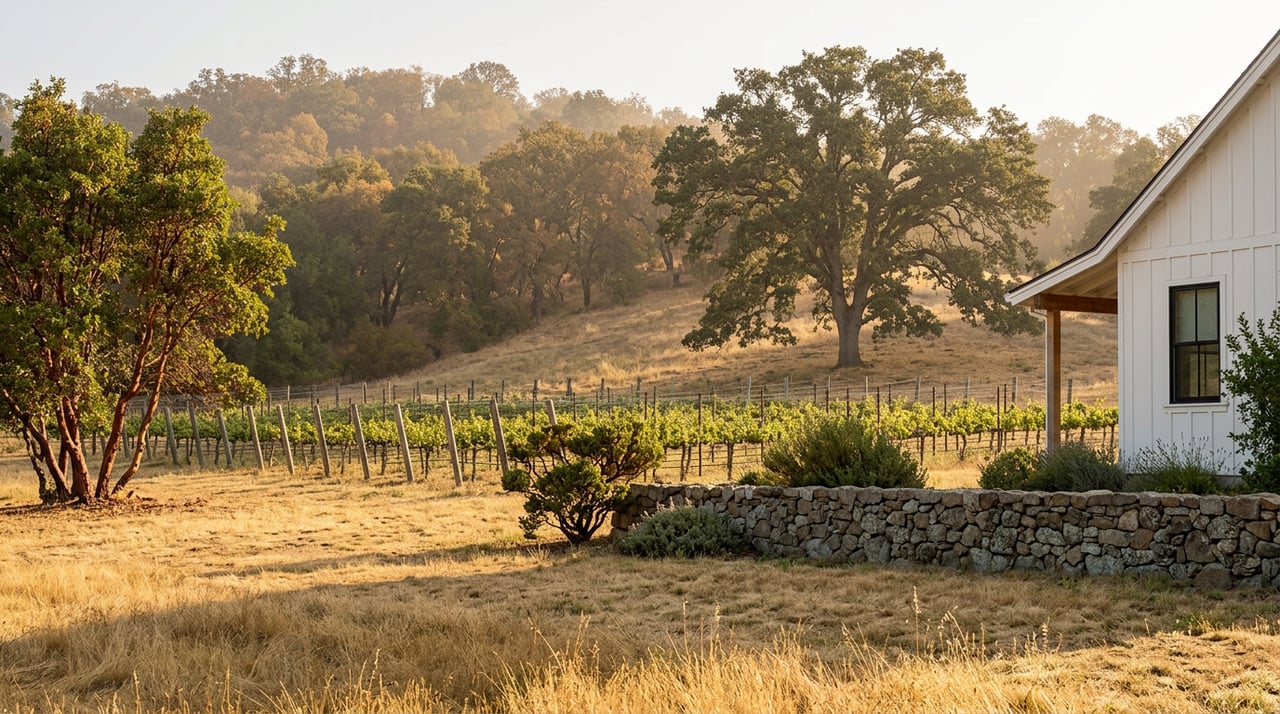
country property


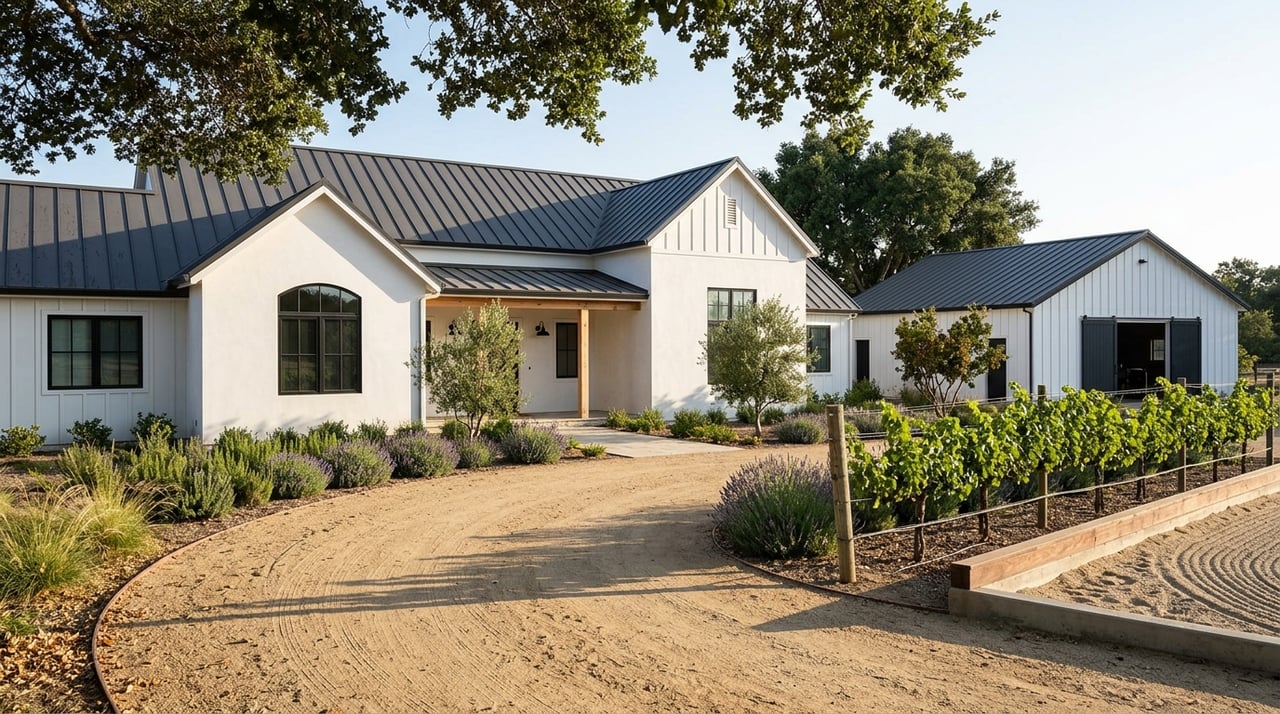
Nancy’s specialty is Country and Equestrian Property, which are unique, with wells, septic systems, barns and out buildings, often irrigation and riparian water rights that most real estate agent have no experience with. As an owner of a commercial horse facility, Nancy has personal experience managing all of this and is the agent you want representing you when buying or selling Country Property in Northern California.