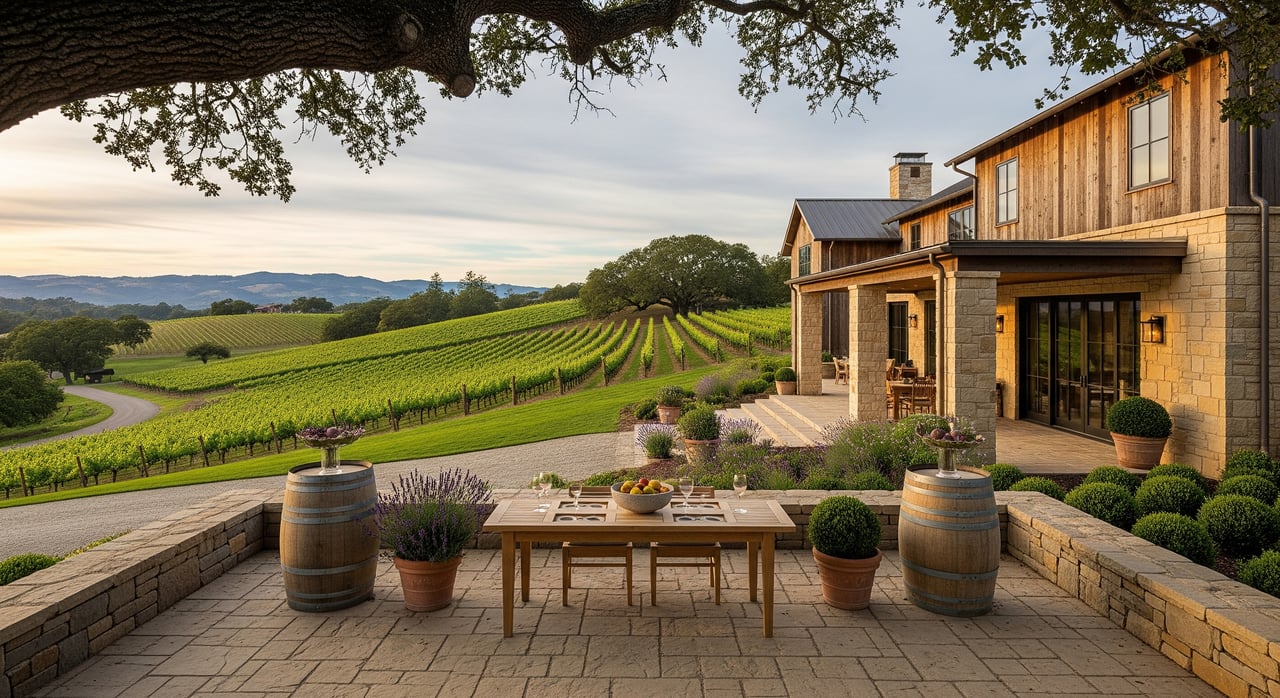
Trying to make sense of acreage, vineyard-ready parcels, and horse-friendly estates in 95401? You are not alone. This western Santa Rosa micro-market blends suburban lots with rural land, which makes prices, inventory, and timelines behave differently from standard single-family homes. In this guide, you will learn how to read inventory patterns, days on market, and price-per-acre dynamics, plus what to look for in plantable and equestrian properties. Let’s dive in.
95401 at a glance
95401 sits along Santa Rosa’s western fringe where land uses shift from neighborhoods to small ranches and estate parcels. Parcels can touch multiple wine-country corridors, and some may be near or within recognized American Viticultural Areas. Because ZIP and AVA boundaries do not line up, you should confirm the AVA and microclimate for any parcel you are considering.
The climate is Mediterranean with valley and ridge variations. Lower pockets can see late-spring frost, while south and east-facing slopes warm up in the afternoon. These micro-differences matter for vineyard viability and varietal choice.
Wildfire risk is a material consideration across Sonoma County. Fire severity zones, evacuation routes, and defensible space rules can affect insurability, permitting, and buyer demand. Factor this into timelines and budgets, and review recent local fire history for the area you are targeting.
Property types and acreage bands
Urban-rural fringe lots: 0.25 to 2 acres
You will find a mix of suburban and semi-rural settings here. Planting is limited, but a small hobby block of vines, a paddock, or a garden-scale orchard can fit on the right lot. Municipal services may be available depending on location and annexation history.
Small ranch or hobby farm: 2 to 10 acres
This is the sweet spot for many 95401 lifestyle buyers. Parcels in this band can support hobby vineyards, small equestrian uses, and a rural residential feel with reasonable access to Santa Rosa amenities.
Estate acreages: 10 to 50 plus acres
Larger parcels are candidates for full vineyard plantings, larger barns and arenas, multi-structure estates, or small-scale wine operations. All of that is subject to zoning, permits, and site constraints.
Large holdings: over 50 acres
These are less common within 95401. Terrain, conservation status, and slope can vary widely, which leads to a wide value range and a stronger focus on usable acreage rather than gross size.
Vineyard-capable parcel essentials
Evaluating plantable land takes more than a quick drive-by. Use this checklist to focus your due diligence:
- Soil and slope: Review local soil maps for depth, drainage, and rock content. Slopes in the moderate range with good exposure often suit quality fruit, depending on varietal goals.
- Aspect and elevation: Favor sites with good sun and cold-air drainage to reduce frost risk.
- Water availability: Confirm well capacity, water rights, and storage. Capacity for drip irrigation and frost protection is often critical.
- Weed and pest history: Check for gopher activity, deer pressure, and neighboring land uses that may influence management.
- Access and infrastructure: Ensure road access, power for pumps or frost fans, and space for equipment. Existing trellis, fencing, or ranch roads add value.
- Legal status: Verify agricultural zoning, easements, any restrictive covenants, and whether the parcel is under a Williamson Act contract.
Note that many rural parcels rely on private wells and septic systems. Municipal water is uncommon on larger acreage, so confirm well logs and septic capacity early.
Equestrian-friendly estate essentials
Not all acreage rides the same. Focus on function and safety:
- Usable acres: Identify flat or gently rolling pasture that is truly usable. Usable acreage often matters more than total acreage.
- Improvements: Document barns, stalls, arenas, round pens, paddocks, fencing, wash racks, and graveled access. Consider drainage and footing quality.
- Local restrictions: Review county animal ordinances, setbacks, HOA rules if any, and water availability for stock.
- Neighbors and riding access: Consider traffic, trail options, and proximity to services like vets, farriers, and feed suppliers.
- Soil and drainage: Evaluate pasture management needs and any interaction with septic systems.
Price per acre decoded
Price per acre is a popular metric, but it is only a starting point. It blends land, improvements, and production value into a single figure that can mislead.
Key value drivers you should weigh:
- Location and proximity to Santa Rosa, highways, and winery corridors.
- Usable acreage and the ratio of flat to sloped land.
- Improvements such as planted vines, producing acreage, barns, arenas, water infrastructure, and residences.
- Water rights and irrigation infrastructure like deep wells, storage ponds, and pumps.
- Soil, aspect, and overall terroir for quality grape production.
- Wildfire exposure and insurance availability, which can affect pricing and timelines.
A practical comparison framework:
- Calculate the gross price per acre. Divide the sale price by total acres to set a baseline.
- Separate the house value. Use comparable home sales to estimate the residence and subtract it to isolate land and ag improvements.
- Adjust for improvements. Account for barns, arenas, roads, utilities, irrigation, and any ponds or storage.
- Distinguish planted from raw land. Producing vines often trade at a premium because they reduce time to revenue.
- Recalculate on usable acreage. Compare price per usable acre rather than gross acres when possible.
- Consider scale. Very large parcels often show lower per-acre figures due to marginal land, while premium 5 to 10 acre locations near amenities can command higher per-acre values.
Example approach: If you are weighing two 5-acre properties and one includes a well-appointed residence plus a small producing block of vines, first estimate the home’s value from comparable sales. Then consider the producing acres as a separate premium over raw ground. Finally, evaluate the remainder on a per-usable-acre basis. This method helps you avoid overpaying for non-usable land or double-counting improvements.
Inventory patterns and days on market
Acreage inventory is smaller and more sporadic than standard home listings. In 95401, you may see more activity in spring and early summer, with some buyer movement in fall, but quality properties can transact at any time of year.
Days on market for acreage is typically longer than for suburban single-family homes. The buyer pool is smaller and financing or appraisal needs can be more specialized. In recent years, pandemic-era demand shortened timelines for many rural listings, followed by cooling that led to longer marketing periods for higher-priced and specialty properties.
For a clearer read, look at a rolling 6 to 12 month snapshot and separate results by acreage bands. Also note that some high-value estates change hands privately, so public inventory can undercount real activity.
Buyer motivations and constraints
Buyers in this niche tend to fall into three groups: lifestyle-focused, equestrian operators or serious amateurs, and boutique vintners or investors. Each group values improvements differently. For example, a high-quality arena, substantial barn, and flat pasture can command a premium for equestrian buyers, while planted, producing acres carry more weight for vintners.
Cash purchases are common for unique or agricultural properties. When financing is involved, expect more documentation on water, usable acres, and improvements. Insurance costs and wildfire mitigation requirements also influence affordability and timing.
How to prepare as a buyer
- Clarify goals: Lifestyle, equestrian operations, or vineyard production. Prioritize what must be turnkey versus what you can build over time.
- Align financing: Discuss acreage, vines, and barns with your lender upfront. Ask about appraisal expectations and lead times.
- Vet water and waste: Review well logs, storage, irrigation capacity, and septic reports early.
- Confirm zoning and permits: Check allowable uses, accessory structures, and any ag or grading permits that may be needed.
- Walk the ground: Assess usable acres, access, drainage, and microclimates morning and afternoon.
- Build a realistic timeline: Account for specialized inspections, appraisals, and any permitting for site work or improvements.
How to prepare as a seller
- Document improvements: Create an inventory of barns, arenas, roads, fencing, irrigation, ponds, and planted acres. Note ages and upgrades.
- Assemble disclosures: Provide well and septic details, any water rights, soils or geotechnical reports, and recent permits or plans.
- Mitigate wildfire risk: Complete defensible space work and document it. Buyers respond to properties that show stewardship.
- Price by band: Compare like-with-like. Separate the residence from land and improvements in your analysis.
- Stage for function: Present clean, safe barns, tidy paddocks, and clearly maintained vineyard rows. Help buyers picture operations from day one.
Data to track in 95401
Use a consistent set of metrics to read this micro-market:
- Inventory: Active listings over the last 12 months in acreage bands such as 2 plus, 5 plus, and 10 plus acres.
- Closings: Number of sales in the same bands and whether volume is trending up or down.
- Pricing: Median sale price by acreage band, plus gross price per acre. Note the limits of per-acre comparisons.
- Vineyard premiums: Median price per acre for planted, producing properties versus raw land, when sample sizes permit.
- Equestrian readiness: Typical value ranges for properties with high-quality barns and arenas, presented as ranges when data supports it.
- Marketing time: Median days on market by acreage band and by vineyard versus non-vineyard status.
- Pricing behavior: Share of listings that sell above list price or require reductions.
- Improvements mix: Share of listings with producing vines or with defined horse facilities.
- Cost and lead times: Qualitative notes on insurance availability and permitting timelines for major site work.
Scenario: converting five acres to vines
If you are eyeing a raw 5-acre parcel, your steps will typically include:
- Site assessment: Confirm soils, slope, aspect, frost exposure, and water capacity.
- Permits and plans: Address grading, erosion control, and any environmental review if triggered.
- Infrastructure: Install irrigation, power for pumps or fans, and access roads where needed.
- Planting and training: Establish blocks and trellis. Vines often need about three years to reach first commercial harvest.
Timelines vary by site conditions and permitting. Budget time for planning, contractor availability, and seasonal windows for planting.
Risk and due diligence
- Fire and insurance: Understand local severity zones and defensible space rules. Insurability can impact both buyer pool and closing timelines.
- Water rights: Verify well logs, yield, and storage capacity. Consider frost protection needs.
- Land-use: Confirm zoning, setbacks, accessory uses, and whether the parcel sits in an agricultural preserve or under a Williamson Act contract.
- Easements and access: Review recorded easements and private road agreements that may affect operations.
- Environmental considerations: Certain habitats or slopes can trigger additional review, especially for grading or vineyard development.
Work with a niche advisor
95401 rewards careful evaluation and local expertise. A specialist who understands vines, barns, water, zoning, and the realities of rural ownership can help you compare options apples to apples, access private opportunities, and move with confidence.
If you want discreet guidance on acreage, vineyard, and equestrian estates in 95401, request private access and a curated plan tailored to your goals. Connect with Nancy Manning to start the conversation.
FAQs
What sets 95401 apart for acreage buyers?
- 95401 blends suburban and rural land on Santa Rosa’s western fringe, so you see a wide range of parcel types, microclimates, and improvements that require property-by-property evaluation.
How do I interpret price per acre in 95401?
- Use it as a baseline, then separate the home value and improvements, account for planted vines versus raw land, and compare by usable acreage when possible.
Do producing vines command a premium in 95401?
- Yes. Producing acres typically carry a per-acre premium because they shorten time to revenue, though the size of that premium depends on varietal, yield, and vine age.
How long does it take to convert raw land to a vineyard?
- Site prep and planting often take months to a year plus, and vines usually need about three years to deliver a first commercial crop.
How does wildfire risk affect buying and selling?
- It can increase insurance costs, require mitigation work, reduce the buyer pool for some properties, and lengthen days on market. Documented defensible space helps.
Are equestrian properties harder to finance?
- Financing exists, but lenders look closely at usable acreage, improvements, and operational risk. Cash offers and specialized lenders are common for unique parcels.