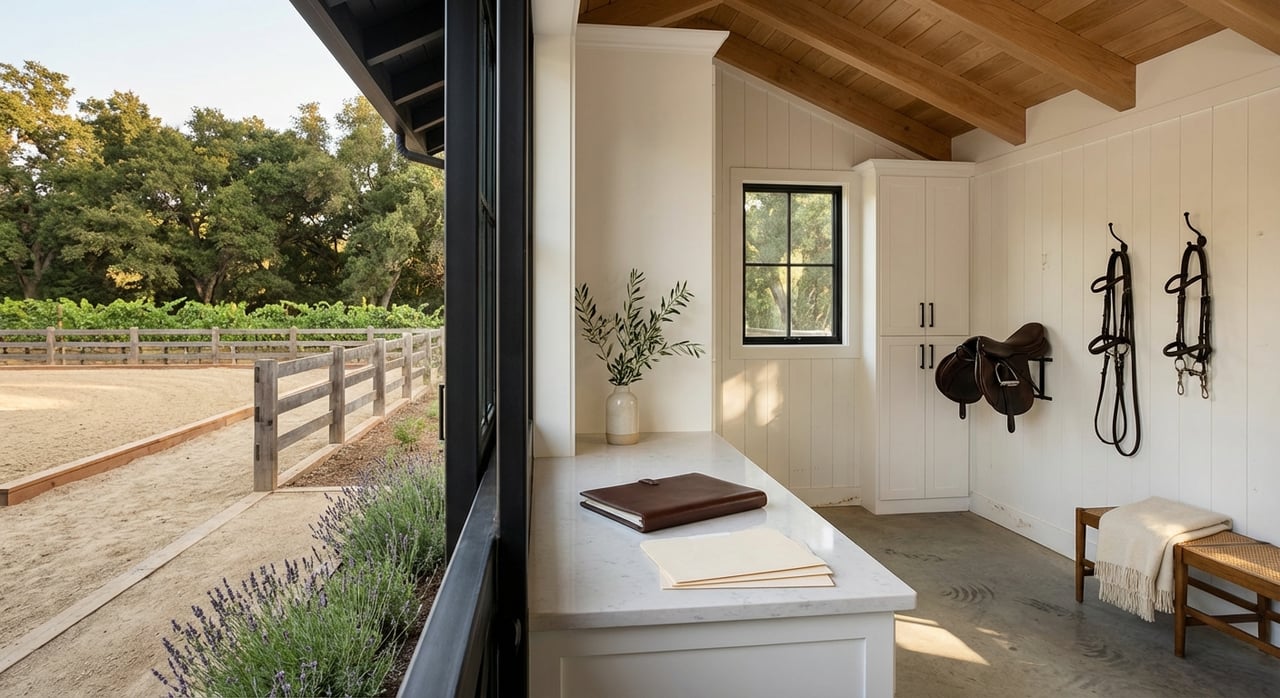
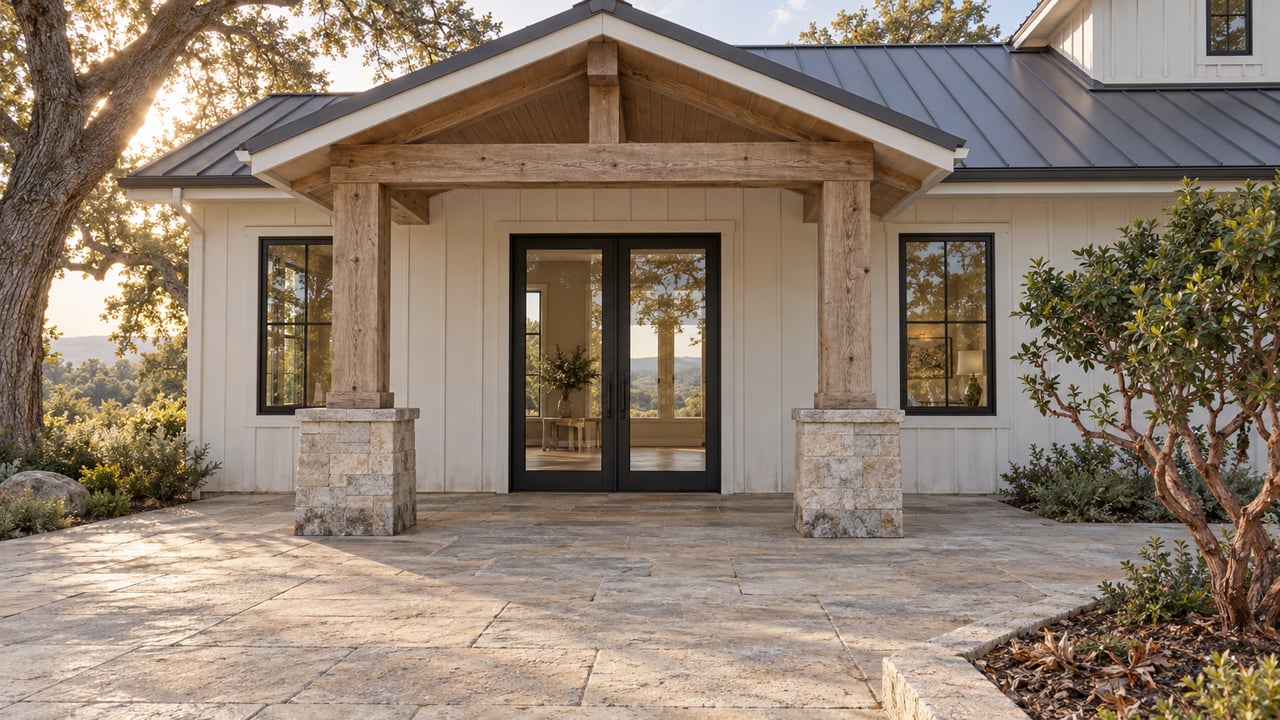
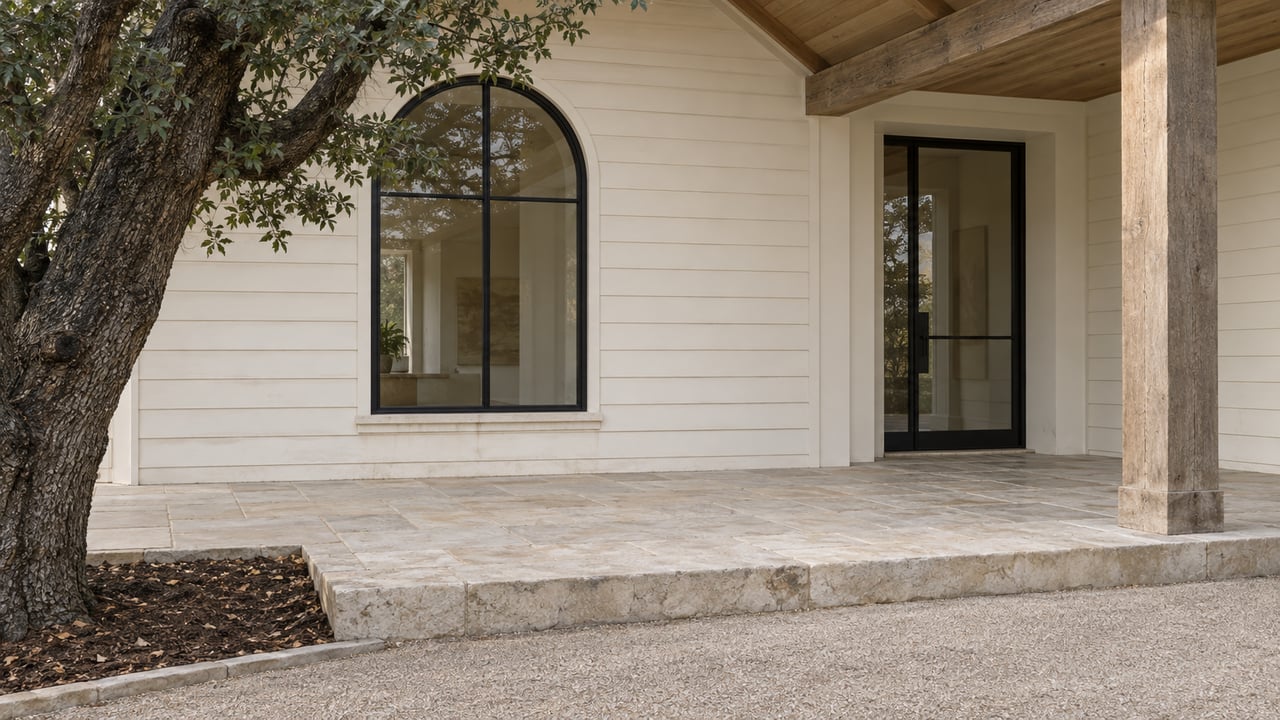
Want to keep your sale under the radar without leaving money on the table? If you own a Petaluma equestrian estate, privacy matters, but so do clean files and ready systems. With the right prep, you can protect your time, control access, and present a turnkey property to serious buyers. This guide shows you how to prepare quietly and compliantly, from disclosures and wells to arenas and off-market strategy. Let’s dive in.
Quiet sale options in Petaluma
You can sell with limited public exposure if you plan it well. NAR’s Multiple Listing Options for Sellers explain office‑exclusive and delayed‑marketing paths that many brokers use for discreet sales. Your broker will align with local MLS rules, file the correct forms, and secure your informed consent before any marketing begins.
Balance privacy and reach
A quiet sale helps you control showings, protect operations, and reduce noise. The trade‑off is a narrower buyer pool and fewer casual eyeballs. A curated plan focuses on qualified buyers who value your estate’s features and are ready to perform.
Use NDAs and buyer vetting
Before you share detailed maps, arena specs, or operating files, use a confidentiality agreement. In California, many brokers use a C.A.R. confidentiality form for this step. Learn how NDAs fit into a private sale in this overview on offer confidentiality and NDAs. Your broker should also confirm representation, review proof of funds or pre‑approval, and schedule accompanied showings only.
Compliance first: your core checklist
Get the required disclosures and county records in order early. These items build trust and reduce surprises during due diligence.
- Transfer Disclosure Statement (TDS) as required by California Civil Code §1102. Review the statute text for scope and timing in the TDS reference.
- Natural Hazard Disclosure (NHD) that covers hazards such as flood and fire zones. See the NHD statute basics.
- Defensible‑space and home‑hardening documentation if the property is in a High or Very High Fire Hazard Severity Zone. Local guidance on AB 38 inspections is posted by the Sonoma Valley Fire District here: AB 38 defensible‑space info.
- Septic and well records from Sonoma County. Start with the OWTS (septic) standards and forms in the Permit Sonoma OWTS Manual, and use the county’s well and septic permit lookup to pull permit history.
- Well documentation and recent water‑quality tests. Access official Well Completion Reports through the California DWR portal: Well Completion Reports. Testing guidance for private wells is outlined by the EPA here: Private well basics and testing.
Build a clean data room
Create a secure digital folder and a slim physical binder. Share full access only after NDAs are signed and buyers are vetted.
Legal and hazard files
- Deed, legal description, parcel numbers, and current tax bill.
- Recorded easements, covenants, and any conservation or Williamson Act records.
- TDS and NHD; any defensible‑space inspection report and fire‑hardening advisory forms.
Water and septic
- DWR well completion report, well pump specs, and any recent pump test.
- Certified lab water results for total coliform/E. coli and nitrate; note any treatment systems.
- Septic permits, as‑builts, operational monitoring records if applicable, and recent pump‑out receipts.
Barns, arenas, and pasture
- Barn maintenance and safety repairs; electrical and hay storage notes.
- Arena footing specification (material, depth), grooming schedule, and any laser grading or new topping invoices.
- Fencing and gate repairs, paddock layout map, and manure‑management plan.
Vineyard records (if present)
- Planting map by block (variety, clone, rootstock, spacing) and vine age.
- Irrigation layout, pump equipment list, and any water allocations or shared‑well agreements.
- Yield history by vintage, spray logs, and any grape contracts. If there is an on‑site winery, include permits and wastewater handling documentation.
Equestrian facility tune‑up
You do not need a full renovation. Small, smart fixes help buyers focus on value rather than to‑do lists.
Barn safety
- Walk the barn with a safety eye. Tighten loose boards, remove protruding nails, and check stall latches.
- Confirm clear aisles, tidy hay storage, clean gutters, and working GFCI outlets in wash bays.
- Service fans, verify lighting, and label electrical panels. Keep invoices to share in your data room.
Arena footing
- Note footing type and compacted depth. If needed, schedule a drag, water, and light re‑grade before photos or showings.
- Confirm even depth at high‑traffic areas and address dust control. Log your grooming cadence for buyers.
Fencing and pasture
- Walk fence lines, test gates, and replace any down or loose rails.
- Mow edges, remove hazards, and post simple paddock maps.
- Outline rotational grazing or turnout routines in a one‑page summary.
Wildfire readiness
If your estate is in or near a designated fire hazard zone, plan ahead. Many buyers and some lenders will ask for defensible‑space documentation. Review local guidance and, if required, schedule an inspection early using the Sonoma Valley Fire District’s AB 38 defensible‑space info. Keep receipts for vegetation work, roof and gutter cleaning, and any ember‑resistant vent upgrades.
Water, wells, and septic: what buyers expect
Private systems are common in Petaluma and they are buyer hot buttons. Pull your well log and any permit records now using California DWR’s Well Completion Reports and County files via Permit Sonoma well and septic. For confidence, include recent certified lab tests for total coliform/E. coli, nitrate, and basic mineral profile based on the EPA’s private well guidance.
On septic, gather the original permit, as‑built, and any monitoring forms from the OWTS Manual resource. If service is due, pump the tank and save the receipt. Clear, current records often prevent last‑minute re‑negotiations.
For added local color, you can reference basin‑level trends with the Petaluma Valley Groundwater team’s data dashboard. This context helps sophisticated buyers understand the area’s water picture.
A six‑to‑twelve‑week timeline
Work backward from your ideal showing window. This conservative schedule keeps your sale calm and controlled.
- Weeks 1–2: Order TDS/NHD, pull DWR well logs and County septic files, schedule certified well water tests, and book a septic inspection if needed. Confirm whether a defensible‑space inspection applies.
- Weeks 3–4: Tackle high‑impact fixes. Tighten fencing, tidy the barn, groom and level the arena, and service key equipment. File and label all invoices.
- Weeks 4–6: Build your secure data room. Draft an anonymized one‑pager and photo set that avoids address‑level details. Prepare an NDA for data access.
- Weeks 6–12: Begin curated outreach. Your broker screens buyers, verifies funds, and schedules accompanied showings only. Add select images or drone to your file as you go, but keep full materials gated behind NDAs.
Your trusted local team
You do not have to do this alone. At minimum, line up these pros and keep their reports in your data room.
- Listing broker skilled with equestrian and vineyard estates and quiet marketing.
- Permit/land‑use specialist to pull well and septic history and as‑builts.
- Licensed well driller or pump contractor for documentation and testing.
- Septic inspector familiar with Sonoma OWTS standards.
- Equine vet or stable manager to review biosecurity, vaccination, and facility notes.
- Viticulturist or vineyard consultant to assemble block maps and yields, if relevant.
- Title officer or real estate attorney for easements, covenants, and NDAs.
The bottom line
A quiet sale works best when your files are complete, your facility reads as cared‑for, and your broker controls access. Start with disclosures, water and septic, and fire readiness. Then present clean arena and barn notes, plus any vineyard records. The result is a calm process, serious buyers, and a stronger negotiation stance.
Ready to prepare discreetly and on your terms? Connect with Nancy Manning for a confidential, step‑by‑step plan tailored to your Petaluma equestrian estate.
FAQs
What disclosures are required to sell a Sonoma County rural home?
- In California, you typically provide a Transfer Disclosure Statement and a Natural Hazard Disclosure, and you may need defensible‑space documentation if the property is in a designated fire hazard zone.
How do I document a private well for a buyer or lender?
- Pull your official Well Completion Report, provide recent certified lab water tests for total coliform/E. coli and nitrate, and include pump specs and any service history.
What is a defensible‑space inspection for a Petaluma sale?
- It is a fire‑safety review tied to AB 38 in certain fire hazard zones; buyers and lenders often ask for proof of compliance and related home‑hardening advisories.
Can I market my estate off the MLS and stay compliant?
- Yes, by using options like office‑exclusive or delayed marketing with your broker, signing informed‑consent forms, and following your local MLS rules.
What do equestrian buyers want to see in the file?
- Arena footing specs and grooming schedule, barn safety and maintenance records, fencing and paddock maps, manure‑management notes, and supplier lists.
Where do I find my septic and well permits in Sonoma County?
- Use Permit Sonoma’s well and septic portal to pull permit history and OWTS files, and pair that with the state’s Well Completion Reports for well logs.