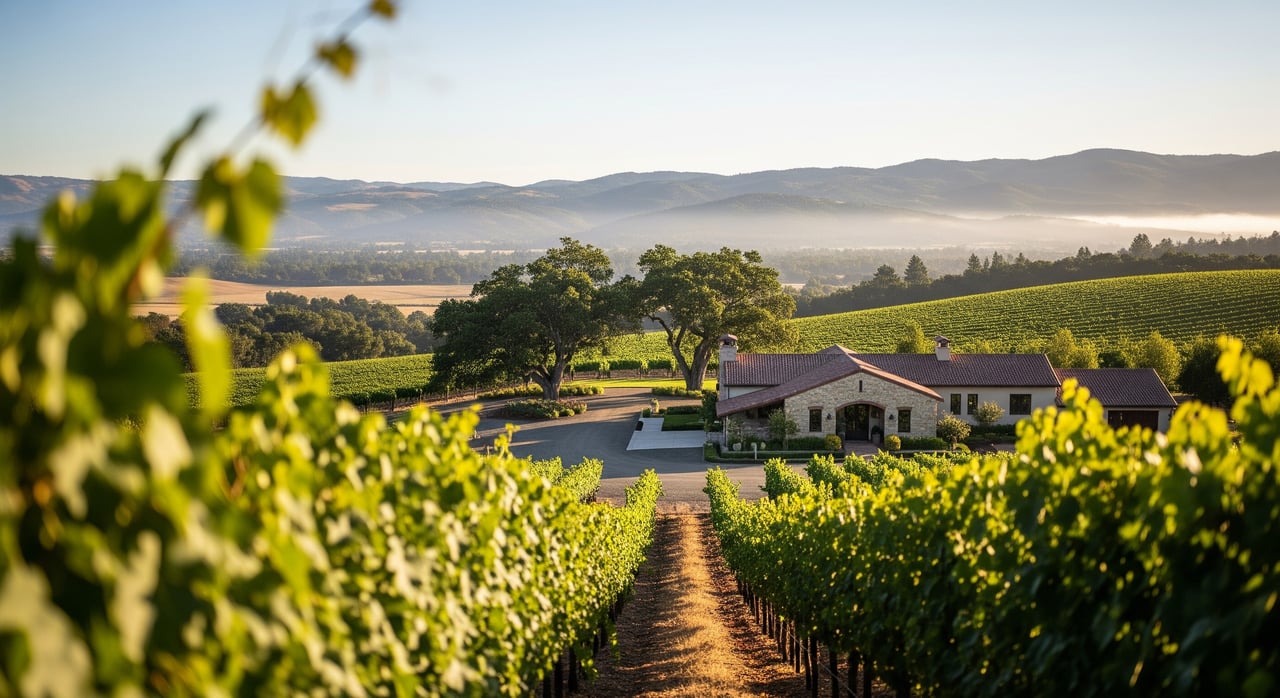
California Vineyard Real Estate Outlook for Sonoma County
January 15, 2026
January 15, 2026
Thinking about a vineyard property in California and wondering how Sonoma fits into the picture? You are not alone. Buyers are weighing lifestyle, wine potential, and risk more carefully than ever, especially around Sebastopol and Windsor areas. In this outlook, you will see what is driving values, the local context for this West County Wine Region, the risks to budget for, and a practical checklist to use before you write an offer. Let’s dive in.
California still leads the U.S. for wine grape production and remains a top destination for both boutique producers and lifestyle buyers. Demand is strongest where you find recognized appellations, access to visitors, and vineyards with proven varietals. Buyers are also factoring climate resilience, water, and permitting into pricing.
You will see four broad buyer profiles across the state:
Limited supply in premium AVAs supports pricing, while new plantings face land and regulation constraints. Transaction activity shifts with interest rates and the grape cycle, but parcels with strong location, water access, and visitor-friendly attributes tend to hold value.
Sonoma County includes several well-known AVAs with distinct microclimates. Russian River Valley is known for cool-climate Pinot Noir and Chardonnay. Dry Creek Valley is notable for Zinfandel and Sauvignon Blanc. Sonoma Coast, Sonoma Valley, and Carneros round out the core areas favored by boutique producers.
Santa Rosa is largely urban and residential, not a primary grape-growing zone. The appeal is its proximity to the vines. You are typically 15 to 40 minutes from key vineyard corridors to the north and west, making Santa Rosa a practical residential base while you operate or lease vineyards in nearby AVAs.
Small to mid-size parcels in recognized AVAs remain attractive when they have the right mix of varietal, slope, exposure, and access. Properties that already hold winery or tasting use permits often command a premium because they shorten the path to direct-to-consumer experiences. Lifestyle estates with modest vineyard acreage also see resilient demand because they offer enjoyment and optional production.
If you plan to produce or host visitors, look closely at the parcel’s zoning, water, and septic capacity. In Sonoma County, permits guide what is possible for wineries, tasting rooms, and visitor events. Parcels with proven utility and compliant infrastructure are easier to activate.
Budget early for the items that most affect feasibility and long-term value:
Despite the risks, Sonoma County offers clear avenues for value if the site fits your plan:
Use this list to focus your offer prep. The right documents and inspections reduce surprises and speed up underwriting.
Water is central in Sonoma County. Parcels often rely on wells, so you should validate yield, quality, and pumping history. In basins that fall under the Sustainable Groundwater Management Act, expect more monitoring and potential constraints. Storage improvements and efficient irrigation can make a real difference for resilience.
Wildfire planning is now routine due to recent fire seasons, including events that impacted Santa Rosa, Sebastopol, Windsor and nearby areas. Look for properties with defensible space, accessible roads, and ember-resistant upgrades. Smoke taint risk is a known factor in some vintages, so review any crop testing history and talk through your risk tolerance.
Insurance markets have tightened where fire risk is elevated. Get carrier feedback early, price for higher deductibles, and compare coverage availability by micro-location. This can affect your target AVA and the structures you choose to build or improve.
Expect a segmented market. Top-tier AVAs and properties near tourism hubs should remain resilient, while parcels without water or visitor potential may face more price sensitivity. Buyers will keep budgeting for wildfire hardening, water storage, and irrigation upgrades.
Upside is tied to visitor traffic and premium grape demand. If direct-to-consumer experiences continue to grow, properties with permits and strong branding will benefit. Investments in climate-adaptive farming and technology can help stabilize yields and quality.
Downside risk centers on drought, insurance costs, and macro trends in wine consumption. Multi-year dry periods can limit irrigation while also pressuring operating budgets. Repeated severe fire seasons could push premiums higher. If luxury spending slows, boutique volumes might need sharper storytelling and more efficient club models.
Use these steps to prepare and move decisively when the right parcel surfaces:
If you want a curated view of vineyard estate opportunities around Santa Rosa and the nearby AVAs, it pays to work with a specialist who lives in the details. We combine technical diligence on water, vines, and land use with discreet access to private and off-market options. When you are ready, request Private Access and start your search with Nancy Manning.
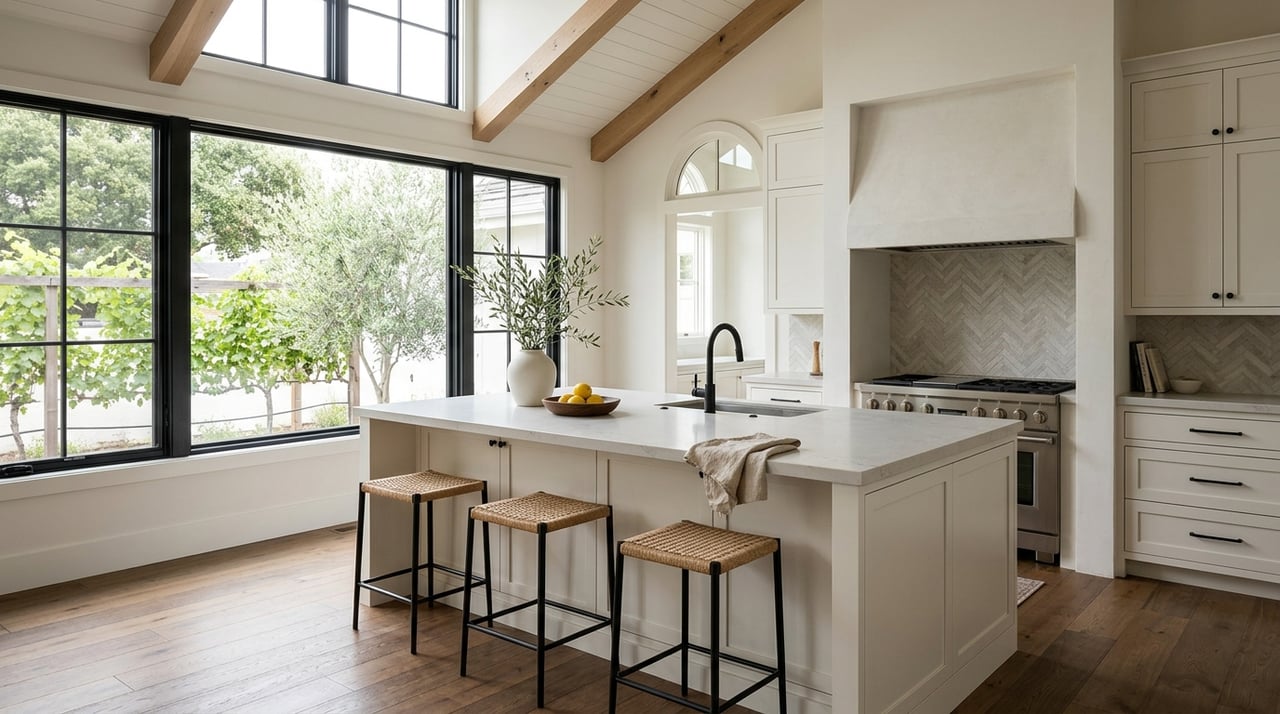
luxury real estate
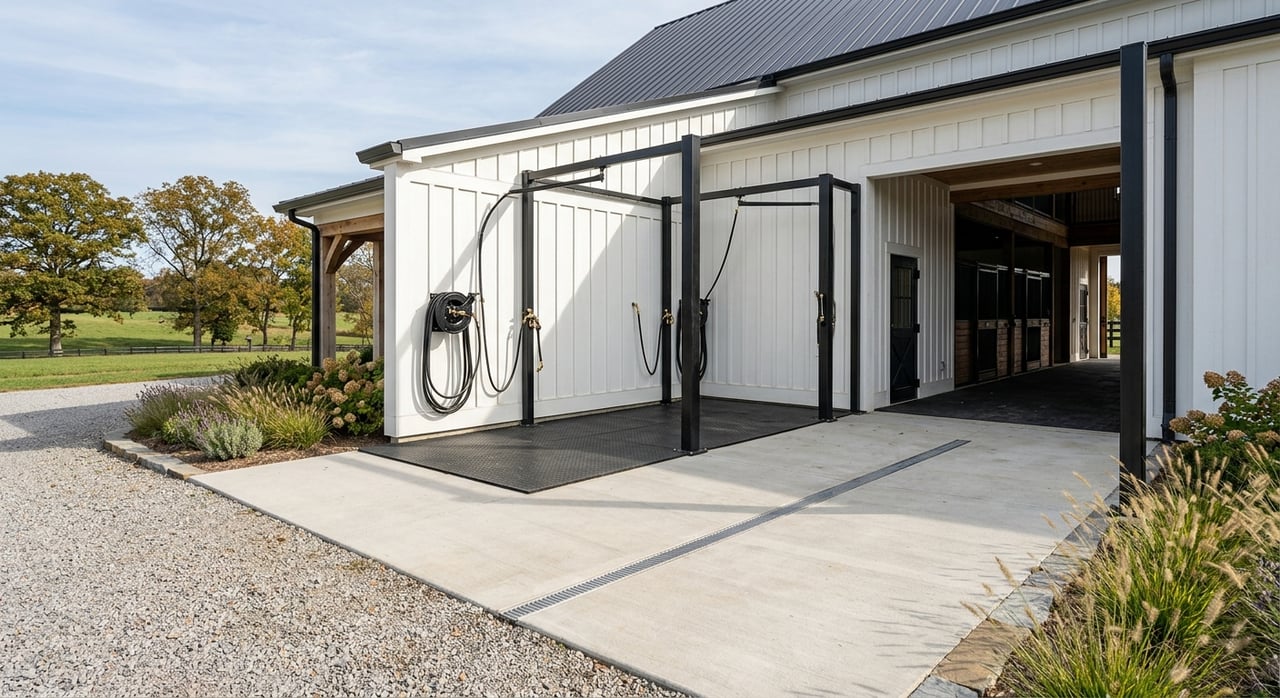
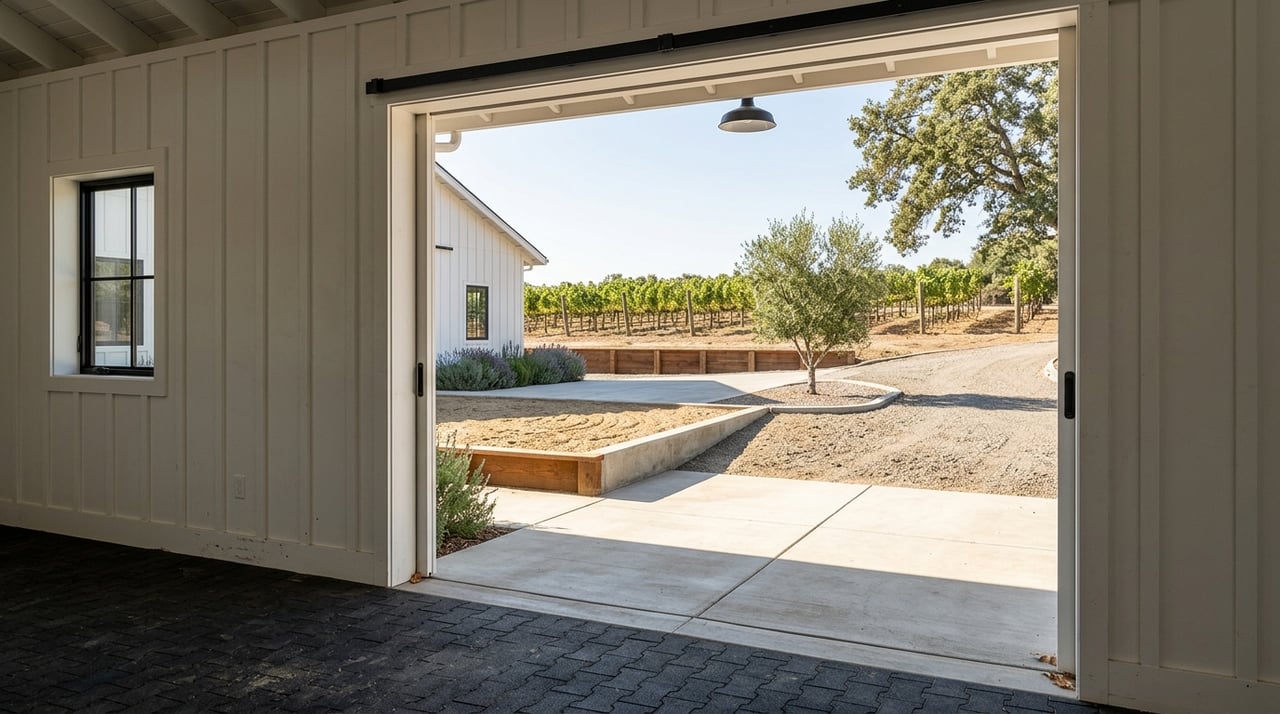
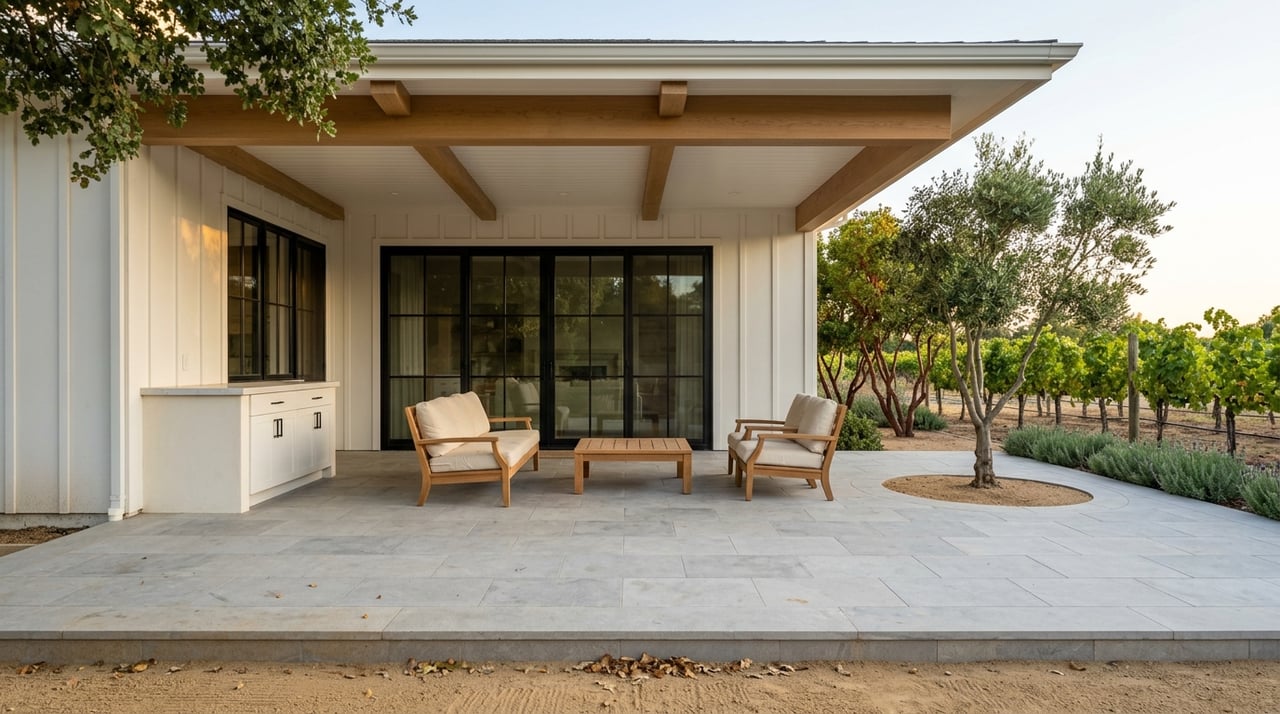
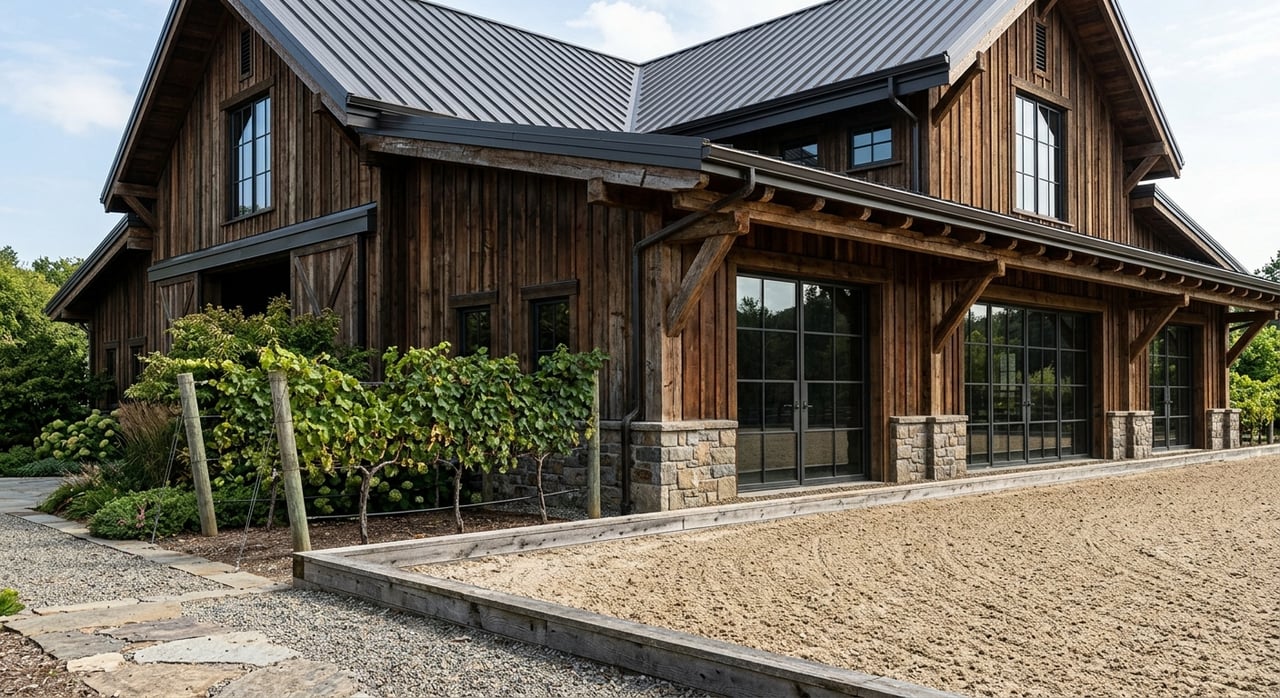
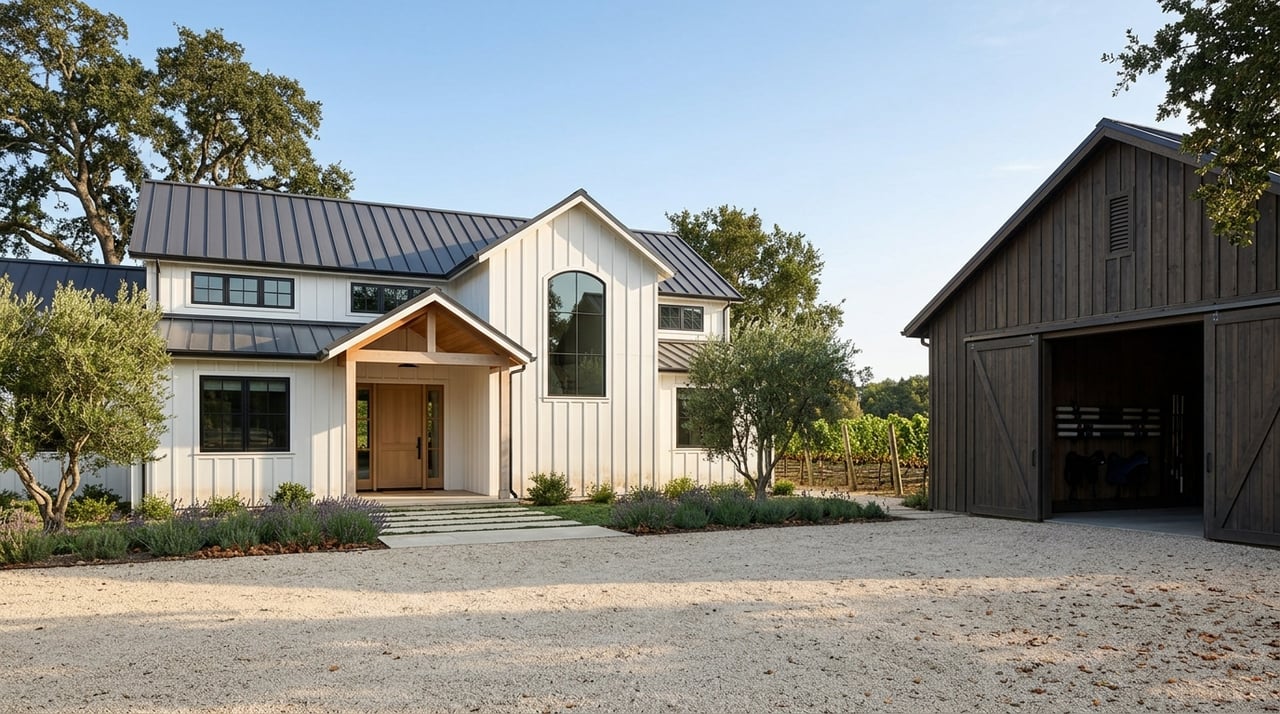
Nancy’s specialty is Country and Equestrian Property, which are unique, with wells, septic systems, barns and out buildings, often irrigation and riparian water rights that most real estate agent have no experience with. As an owner of a commercial horse facility, Nancy has personal experience managing all of this and is the agent you want representing you when buying or selling Country Property in Northern California.