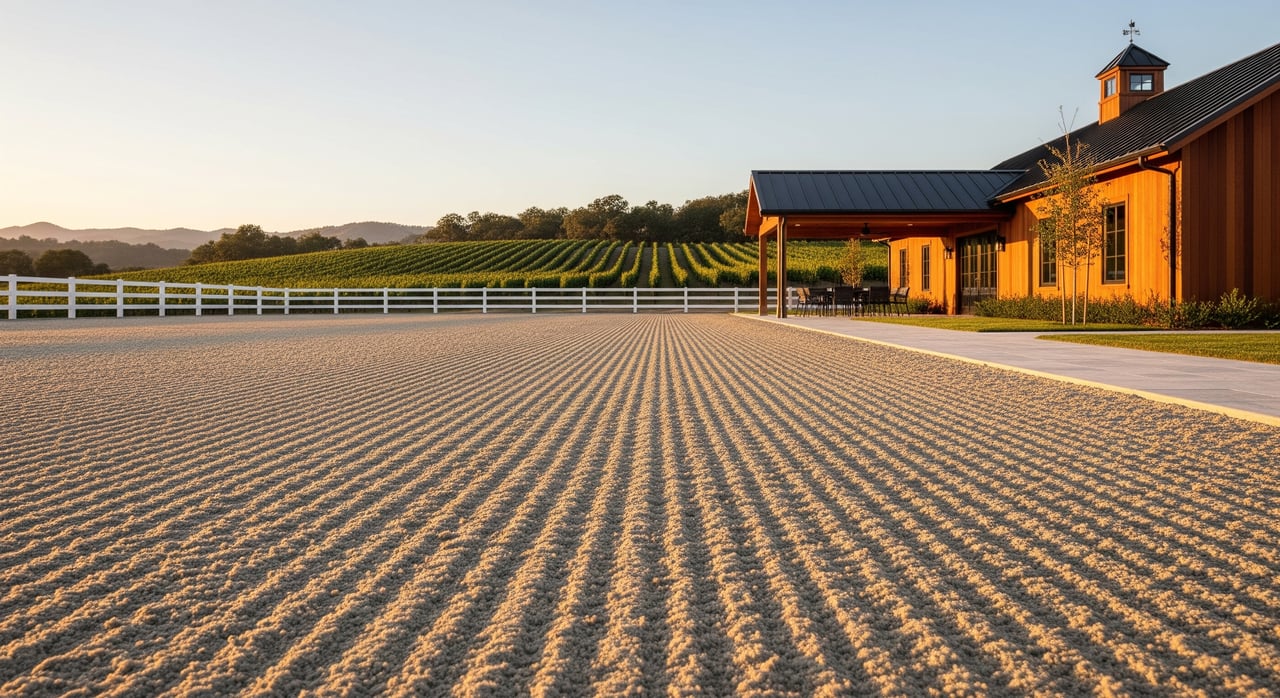
Your Guide to Equestrian Arena Footing in Sonoma
January 1, 2026
January 1, 2026
If you ride in Northern California, you know the arena that feels perfect in August can turn into a puddled mess in January. The region’s rhythm of rainy winters and dry, dusty summers asks more of your footing than almost anywhere else. You want a surface that rides well, protects your horses, and stays consistent without constant repairs. In this guide, you’ll learn how common footing types perform, what to look for in base and drainage, and how to maintain an arena that works year round. Let’s dive in.
Sonoma’s Mediterranean climate concentrates most rain between late fall and early spring. That means winter performance hinges on drainage and base integrity. Summer brings warm, dry conditions that raise dust control and watering to the top of your list.
Plan for two realities: effective runoff and subsurface drainage in winter, and efficient moisture management in summer. Nearby vineyards and mature oaks add shade and leaf drop, which slow drying and clog drains. Keep those factors in mind as you evaluate a property or plan an upgrade.
Choosing footing starts with your base and your climate. Here’s how common materials behave in Sonoma’s seasonal swings.
Footing is only as good as the base beneath it. Depth depends on discipline and material, balancing cushion with stability. Shallow footing over a firm, well-built base rides differently than deep footing over a soft subgrade. Always verify both the top layer and the base construction when you tour a property.
A reliable arena in Northern California starts with controlled runoff and a base that stays stable through winter storms. Focus on these components when you evaluate or plan improvements.
A slight crown or gentle lateral slope moves water off the surface without causing uneven footing. Steep slopes can create erosion and inconsistent depth. Look for even planes and predictable runoff paths.
Crushed rock or ag‑gravel provides structure and helps water move through the profile. Without a proper base, top footing will mix with the subgrade when saturated, which shortens the life of your surface.
French drains, edge swales, and properly sized catch points keep the base and edges from saturating. In areas with heavier soils or a higher water table, subsurface piping is often essential to keep the arena rideable after storms.
A durable fabric between subgrade and base prevents materials from mixing, which keeps drainage channels open. It also limits contamination of your footing with fines from below.
Runoff should flow to legal outlets, such as the street, storm system, or a dedicated retention area. Be mindful of nearby vineyards and neighbors. Local permits may apply for significant grading or drainage work within County or the City Planning and Building Departments.
Consistency comes from routine care matched to the season. Use this simple schedule to stay ahead of problems.
Bring this non-engineering checklist to your next property tour and note what you see.
Identify the surface type and look for a distinct top layer over a base.
Check evenness, low spots, or compaction.
Ask for documented footing depth and construction details.
Walk the surface to feel traction and cushion.
Start with your program and your base. If winter rideability is the priority, pair a well-compacted base and reliable drainage with sand or a sand and fiber blend that resists rutting. If you want maximum consistency with less daily grooming, an engineered surface can be worth the investment when professionally installed.
If budget is a primary limiter, a high-quality sand over a correctly built base often outperforms premium materials placed on a weak foundation. In every case, confirm water access for summer dust control and learn current local watering rules before you commit.
Call a civil engineer, equestrian surface specialist, or experienced arena contractor for major regrading, base reconstruction, or subsurface drainage. For local regulations, contact County Planning or the City public works for guidance on grading and stormwater requirements. A site-specific assessment will protect your investment and help you avoid costly missteps.
If you are weighing properties or planning an arena refresh in Sonoma Wine Country, a clear footing plan and a well-built base will save you time and money. With the right drainage, thoughtful surface selection, and routine care, you can ride confidently through the rainy season and keep dust in check all summer. For discreet guidance on equestrian estates and arena readiness, connect with Nancy Manning for a private conversation.
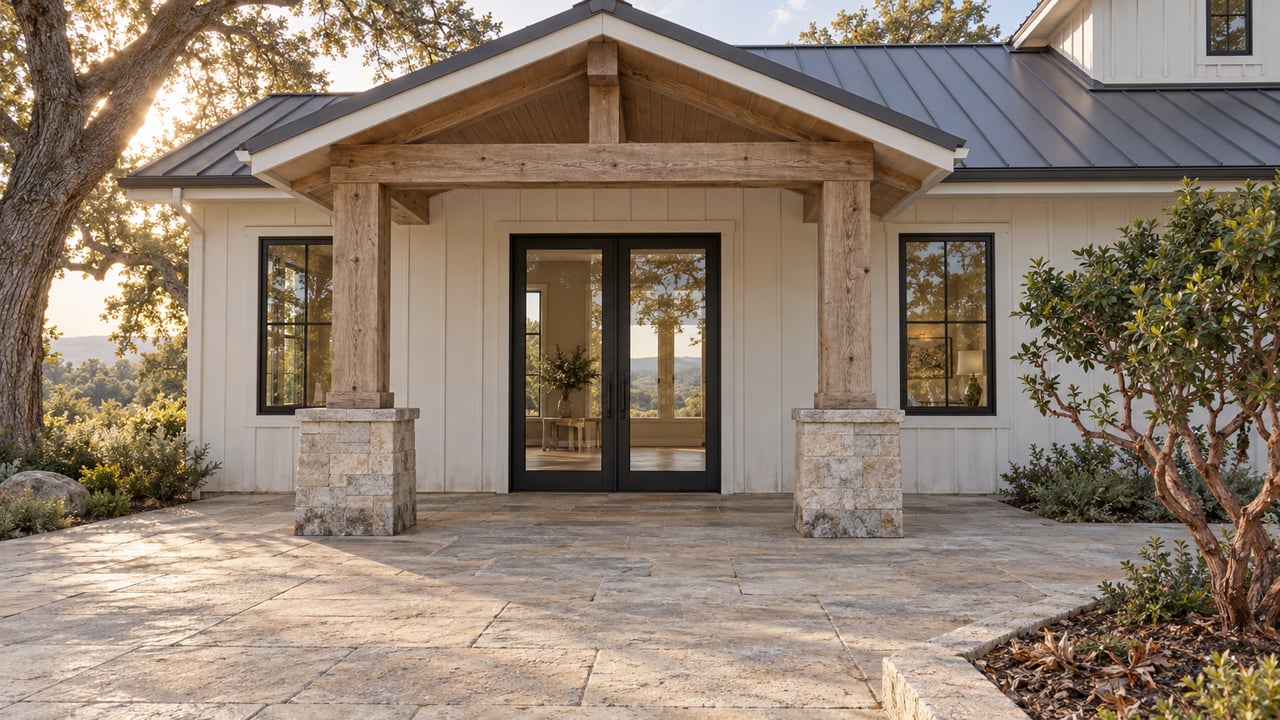
wine country property
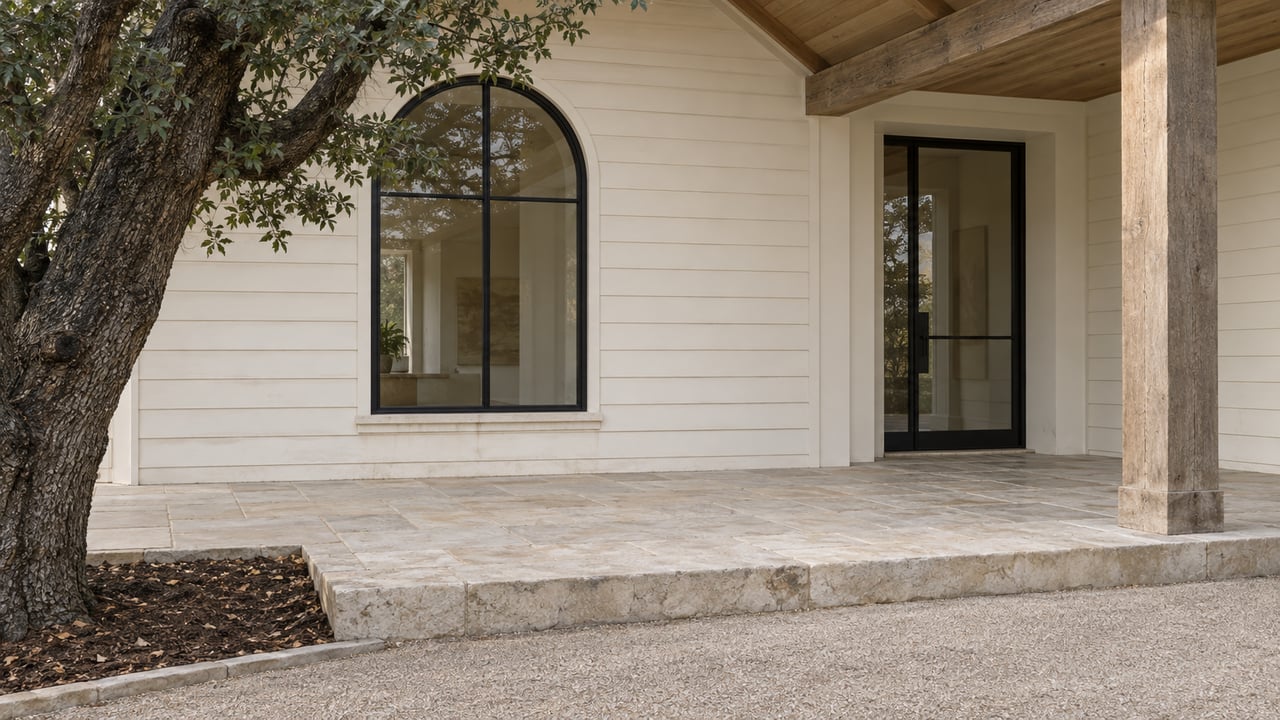
wine country property
country property


Nancy’s specialty is Country and Equestrian Property, which are unique, with wells, septic systems, barns and out buildings, often irrigation and riparian water rights that most real estate agent have no experience with. As an owner of a commercial horse facility, Nancy has personal experience managing all of this and is the agent you want representing you when buying or selling Country Property in Northern California.