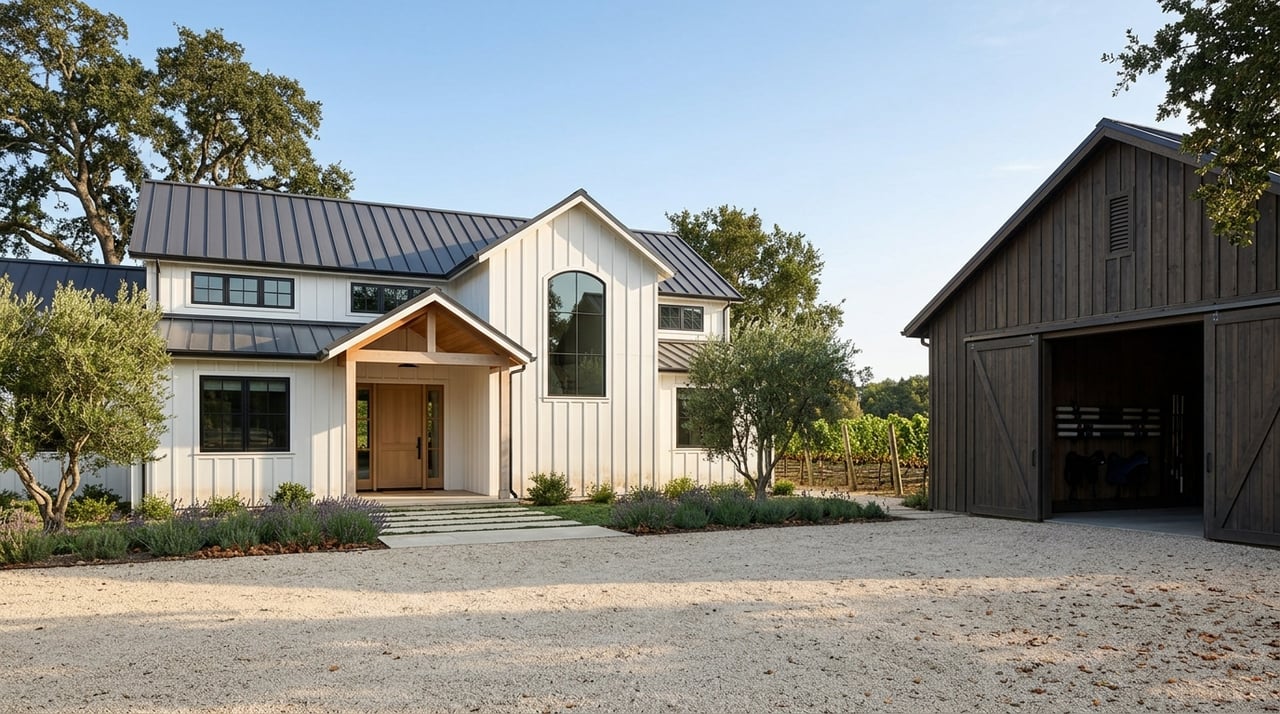
Petaluma Horse Vineyard Lifestyle: Is It Right for You?
June 4, 2026
June 4, 2026
If you have ever wanted a place where barn mornings and wine-country evenings can fit into the same day, Petaluma deserves a closer look. This is a city where agriculture, open land, and a real town center still exist side by side, which is rare in California. If you are drawn to horses, vines, or both, understanding how Petaluma actually lives day to day can help you decide whether the lifestyle matches what you want. Let’s dive in.
Petaluma sits about an hour north of San Francisco on the Petaluma River, between farmland and the coast. That location helps explain why it feels connected and convenient while still offering a more rural rhythm. For many buyers, especially second-home buyers, that balance is a big part of the appeal.
The city also has a strong civic identity, not just open acreage. Its historic commercial district includes 96 contributing buildings across about 23 acres, and the city maintains nearly 50 parks and open-space areas. That means your lifestyle here can include land and privacy without giving up a defined downtown and active public spaces.
The river adds another layer to daily life. Petaluma notes more than 200 bird species in 500 acres of wetlands, with river and marsh recreation close to downtown. In practical terms, that gives the area a sense of nature that feels built into the town itself.
In Petaluma, horses are not a new trend added onto a wine-country setting. They are part of the region’s history and land-use pattern. Petaluma Adobe State Historic Park preserves the center of Rancho Petaluma, where the rancho era included breeding horses, running cattle and sheep, and growing crops.
That history still matters because it helps explain why equestrian uses feel natural here. The connection between horses, working land, and agriculture is longstanding. For buyers looking at horse properties, that heritage gives Petaluma a grounded, authentic feel.
Today, riding access remains close to town. Helen Putnam Regional Park is about 2 miles from downtown Petaluma and offers nearly 6 miles of horse trails with views of Petaluma and rural Sonoma County. Tolay Lake Regional Park is about 8 miles southeast of downtown and includes equestrian trails across 3,400 acres.
For many buyers, that proximity changes the way daily life feels. You are not choosing between a town lifestyle and a horse lifestyle. In Petaluma, the two can work together more easily than in places where riding access sits much farther out.
If you are exploring an equestrian estate in Petaluma, the setting itself is only part of the equation. The broader lifestyle here tends to reward buyers who think in terms of stewardship, functionality, and access.
A few practical points often matter most:
These are not separate from the lifestyle. In Petaluma, they are part of how horse property ownership works in the real world.
A common question is whether Petaluma is truly wine country or simply near it. The answer is clear. The Petaluma Gap AVA was officially established on December 7, 2017, and the region is known for wind and fog that shape the vines and support cool-climate varietals such as Pinot Noir, Chardonnay, and Syrah.
The AVA spans more than 200,000 acres from Bodega Bay to Sears Point across northern Marin and southern Sonoma counties. That gives Petaluma a meaningful place within a recognized wine-growing region, not just a convenient position next to one. If you want vineyard context with real identity, Petaluma has it.
Visit Petaluma also notes that local temperature swings can be as much as 50 degrees in a day and that the region’s growers supply more than 80 wineries. This helps explain why vineyard property here appeals to buyers who value both agricultural character and a broader tasting culture.
One of Petaluma’s strengths is that the wine experience can feel rural and accessible at the same time. You can find vineyard tasting rooms and also downtown tasting options. That creates a lifestyle where the agricultural landscape and town conveniences reinforce each other.
The food-and-drink scene supports that feeling. Petaluma is known for farm-to-table dining, wineries, craft breweries, and distilleries. So even if your interest starts with vines, the day-to-day lifestyle often expands into a broader culinary and entertaining culture.
The best way to understand Petaluma may be to picture the rhythm of a normal day. Morning can start with barn chores, turnout, or checking the land. Later, you might spend time on nearby trails or on the property itself before heading into town for dinner, tasting, or errands.
That mix works because Petaluma still feels like a town. Its historic commercial district, riverfront identity, and public spaces give it a center of gravity. You are not simply living on acreage in isolation.
The city’s year-round agricultural programming at the Petaluma Fairgrounds adds to that sense of continuity. Livestock shows and educational programming remain part of the civic calendar, which reinforces how visible agriculture still is in public life here.
For buyers seeking a second home, this is often where Petaluma stands out. It offers a distinctly rural feel while staying tied to the Bay Area, with a location about an hour north of San Francisco and about 25 miles north of the Golden Gate Bridge. That makes weekend use, entertaining, and recurring travel more realistic.
Owning horse or vineyard property in Petaluma usually means thinking beyond the home itself. The local culture around land management is practical and visible. The City of Petaluma uses a grazing program in its parks to help reduce flammable vegetation and wildfire risk, which reflects a broader understanding that land needs active care.
Water also matters in the rural property conversation. Sonoma County’s Permit Sonoma pages show that well construction permits are a formal part of the process. For buyers considering acreage, that makes due diligence around water supply an essential step.
In other words, living with horses and vines in Petaluma is not only about views and amenities. It is also about understanding how the land functions, how it is maintained, and what long-term stewardship requires. For many buyers, that responsibility is part of the appeal.
When you assess a Petaluma horse-and-vine property, it helps to review the lifestyle features and the operating features together.
Look closely at:
A property can be beautiful and still need careful review. In this niche, the details shape how smoothly the estate will work for you over time.
Petaluma speaks to more than one kind of buyer. Some are looking for a refined second-home retreat with acreage, privacy, and a strong entertaining backdrop. Others need equestrian infrastructure that supports real use, not just appearance.
There is also appeal for buyers who want vines as part of the landscape and identity of the property. Because the area blends agricultural tradition, recognized wine-country status, and access to a true downtown, it can offer a fuller lifestyle than locations that feel only rural or only polished.
That balance is hard to manufacture. In Petaluma, it comes from the place itself: the river, the historic core, the parks, the fairgrounds, the nearby trails, and the broader Petaluma Gap setting. All of that contributes to a market where horses and vines feel integrated rather than staged.
If you are considering a Petaluma property with equestrian facilities, vineyard potential, or both, it helps to search with a very specific lens. Not every acreage property will support the same goals, and not every attractive estate will align with the realities of horse use, water, access, or long-term stewardship.
That is why a curated approach matters in this segment of the market. The right property is not only about square footage or views. It is about how the land, improvements, and lifestyle all fit together with clarity and purpose.
If you are ready to explore Petaluma’s horse-and-vine lifestyle with discretion and specialist guidance, connect with Nancy Manning to request private access and start a more focused search.
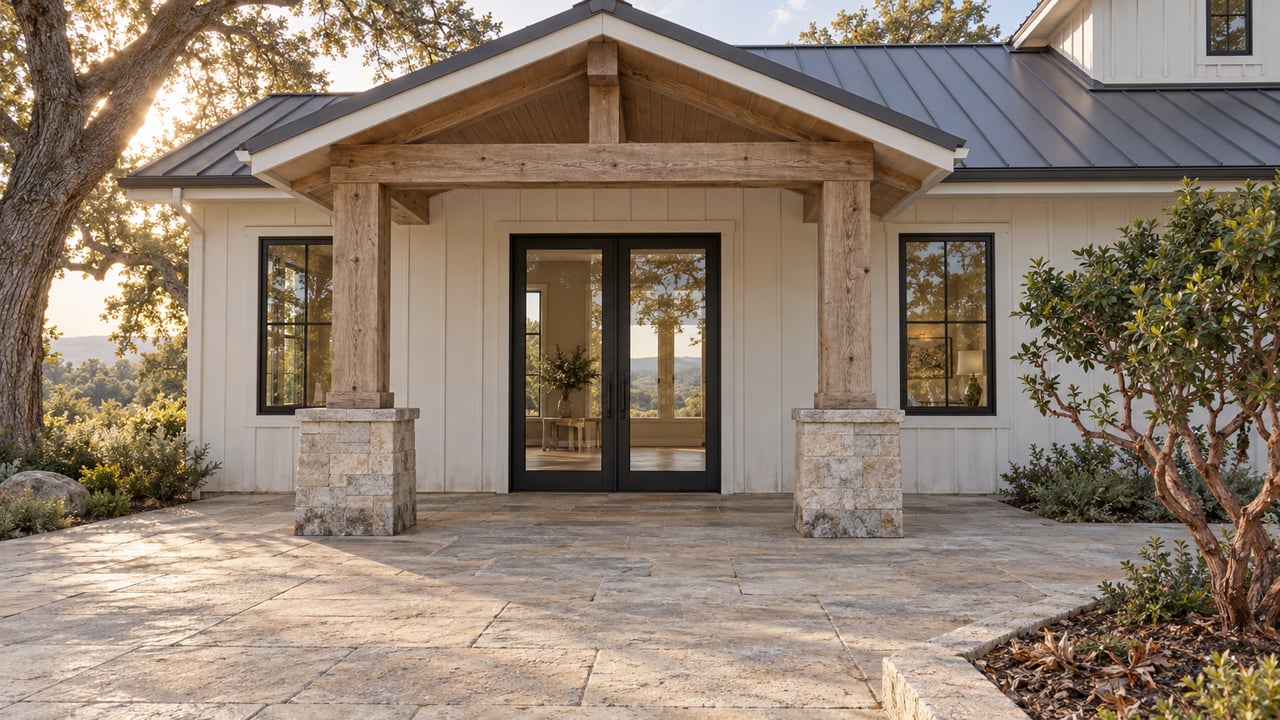
wine country property
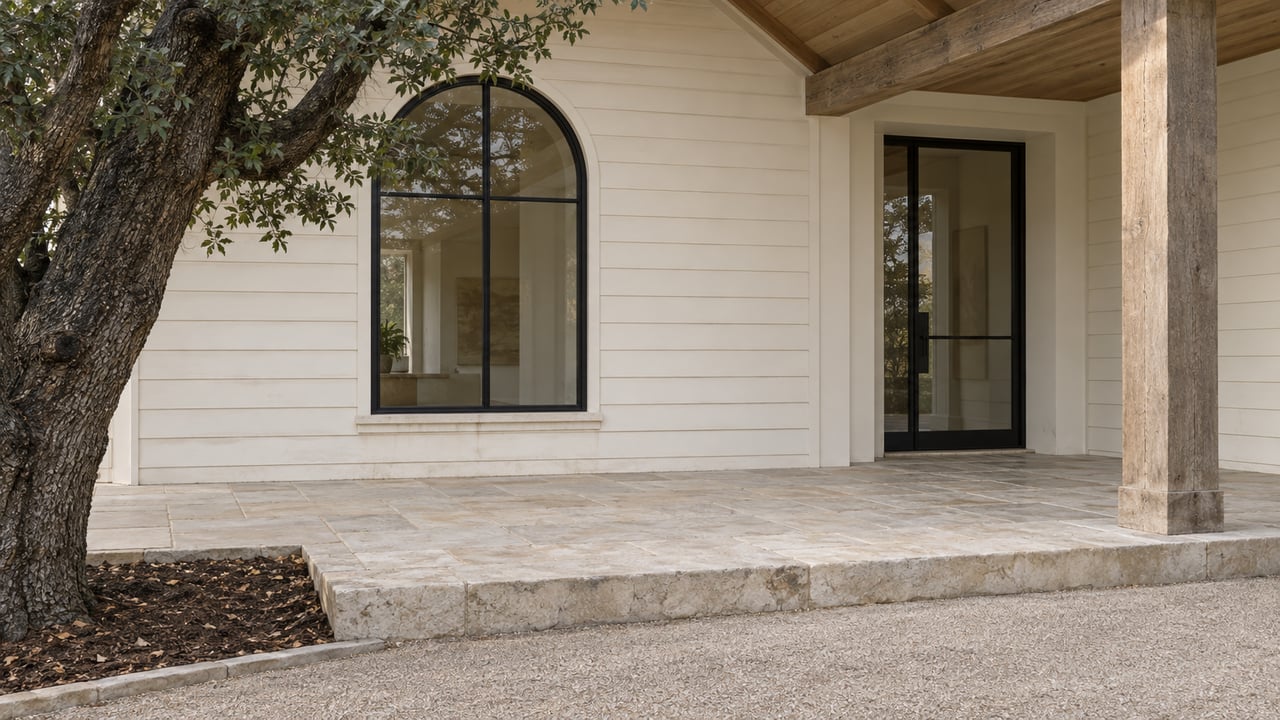
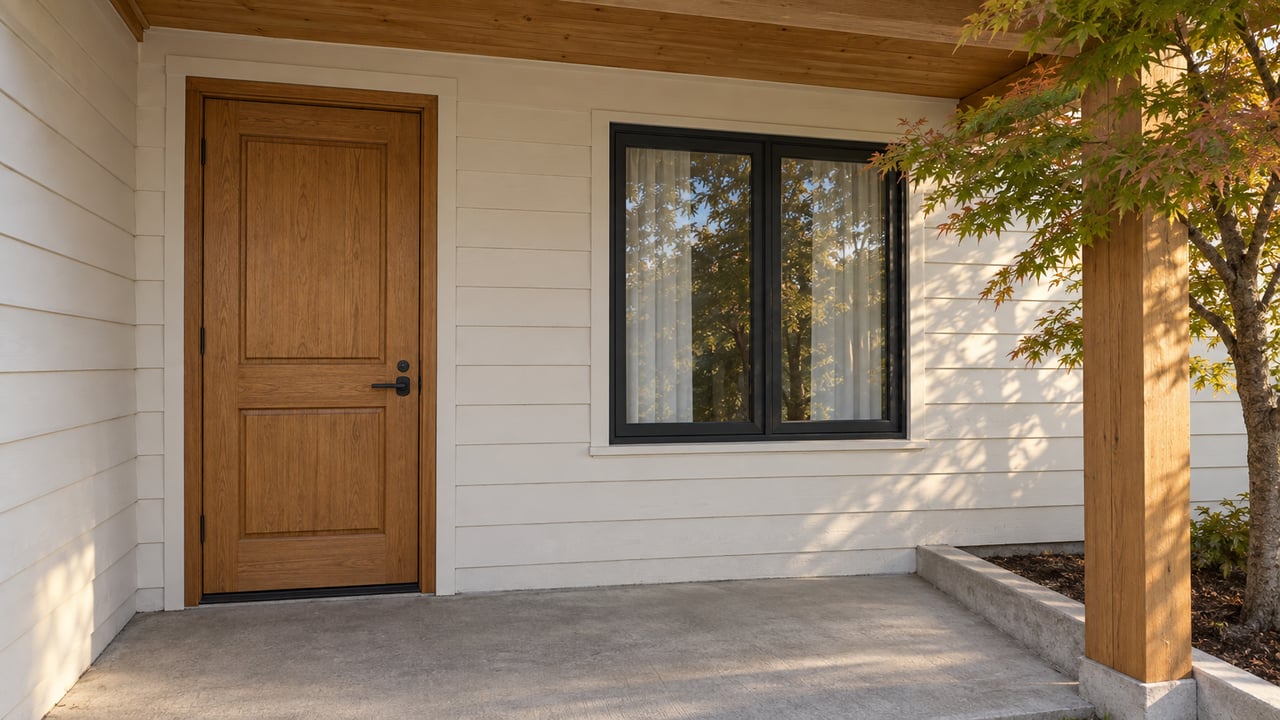
wine country property
country property


Nancy’s specialty is Country and Equestrian Property, which are unique, with wells, septic systems, barns and out buildings, often irrigation and riparian water rights that most real estate agent have no experience with. As an owner of a commercial horse facility, Nancy has personal experience managing all of this and is the agent you want representing you when buying or selling Country Property in Northern California.