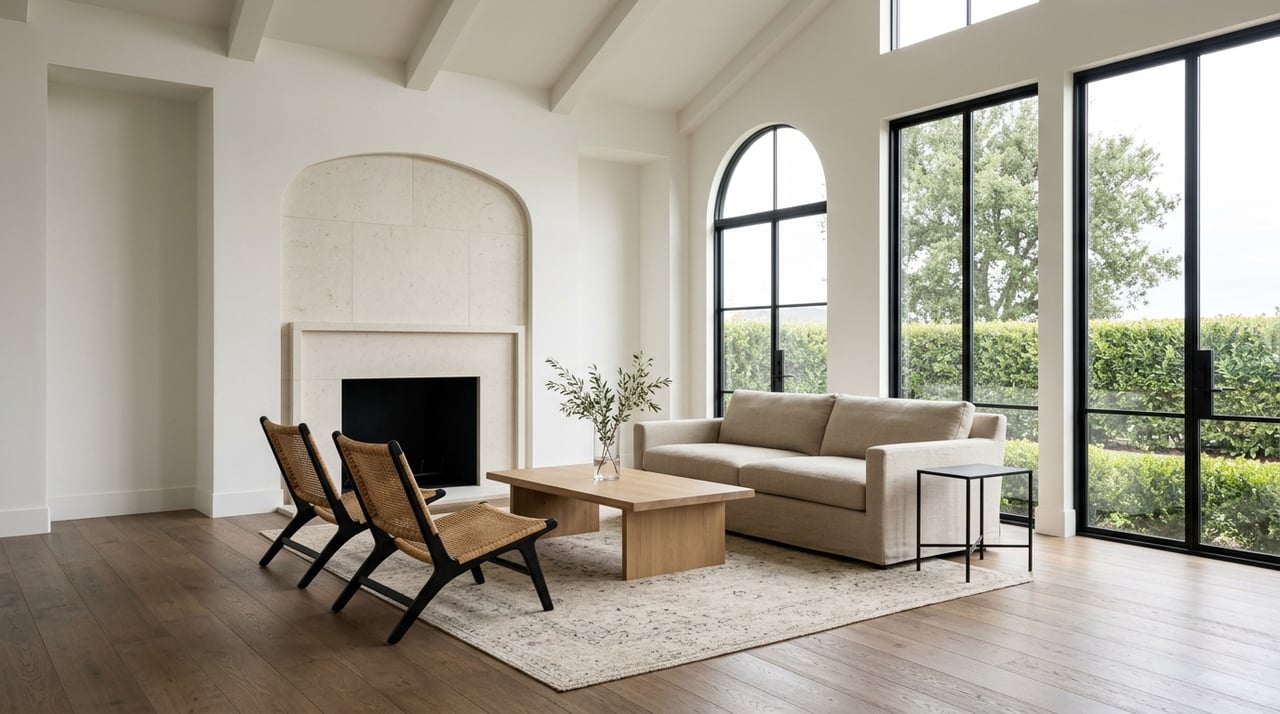
How to Sell a Petaluma Horse Vineyard Estate Discreetly
June 18, 2026
June 18, 2026
If you own a Petaluma horse-and-vineyard estate, you already know it is not a typical home sale. Privacy matters, but so do zoning, water, wildfire questions, and the details that serious buyers will expect to review before they move forward. A discreet sale can absolutely work in this market, as long as it is built on a clear plan that protects your privacy without skipping the due diligence. Let’s dive in.
A horse-and-vineyard property in Petaluma is often part lifestyle asset, part land-use asset, and part operating property. That means buyers are not only evaluating the home itself, but also the parcel, permitted uses, improvements, and future flexibility.
Inside city limits, the City of Petaluma zoning map and implementing zoning rules govern permitted, conditional, accessory, and prohibited uses, along with standards for building location, height, parking, and signs. In unincorporated Sonoma County, Permit Sonoma may require separate review for zoning permits, use permits, lot line adjustments, minor subdivisions, and other land-use matters.
For vineyard properties, acreage may be considered at both the parcel and appellation level. Sonoma County maintains a vineyard appellations and AVA GIS layer, which is one reason these sales tend to require more preparation than a standard suburban listing.
A discreet sale does not mean hiding the property from everyone or avoiding normal transaction steps. In practice, it means controlling how, when, and to whom information is released.
At the policy level, a seller can choose an office exclusive, which means the property is not publicly marketed or distributed through the MLS. If public marketing begins, MLS submission rules are triggered quickly, so it is important to decide early whether you want a fully private launch or a phased strategy.
That distinction matters in Sonoma County. BAREIS is the primary regional MLS serving Sonoma County and nearby North Bay counties, and its rules affect what is visible to the public and what remains private within the listing process.
If your goal is privacy, you generally have a few structured paths to consider. The right one depends on how much exposure you want, how quickly you hope to sell, and how widely you want your estate shared.
An office exclusive allows the property to remain outside public MLS distribution if you do not authorize public marketing. This can be useful when privacy is the top priority and you want outreach handled quietly through direct relationships.
The tradeoff is reach. A private launch can narrow exposure, which may also narrow price discovery if fewer qualified buyers see the opportunity.
A seller-reserved approach can also help limit public visibility while preserving more control over how the listing is shared. This can work well when you want discretion but are open to a carefully curated buyer pool.
For a property with barns, arenas, paddocks, vineyard blocks, or other specialized improvements, targeted outreach can be more effective than broad promotion if the goal is to connect with buyers who already understand the asset class.
BAREIS also allows a future-dated listing in an "Unapproved" status, which keeps it suppressed from the market until the on-market date. This creates a formal window to prepare the file, refine the strategy, and coordinate timing before the property is visible more broadly.
For many sellers, this is the middle path. You can start in a controlled way, then widen exposure later if needed.
The biggest question in any discreet sale is simple: how much exposure is enough? The more private the launch, the more you rely on a curated network and direct outreach to find the right buyer.
Broader public distribution can put the property in front of a larger broker network. BAREIS members have access to property data throughout California and across the nation, and the system supports broad listing distribution tools.
That does not mean public exposure is always the best choice. It means you should weigh privacy against buyer reach, timing, and the need for strong price discovery.
For a Petaluma horse-and-vineyard estate, the confidential marketing plan should begin with documents, not photos. Before outreach starts, it helps to gather the property records that informed buyers and their advisors will want to review.
A strong parcel file may include:
This matters because Permit Sonoma handles several of these issues through separate review tracks. If questions surface late, they can slow a private transaction or weaken a buyer’s confidence.
When a seller wants discretion, the public-facing description should stay focused and measured. BAREIS states that public remarks are limited to the physical description and condition of the property, while private remarks may include agent-to-agent instructions and confidential information.
That means sensitive operational details should stay out of public copy. For example, internal logistics, certain showing protocols, or nonpublic property details are better handled through controlled communication after a buyer is vetted.
This is especially important for rare rural estates. A carefully written description can preserve interest without oversharing.
Even in a confidential sale, buyers will still ask practical questions about how the property functions. On a Petaluma estate, those questions often go beyond the residence itself.
Buyers may want to understand current zoning, legal uses, and whether any existing equestrian or agricultural improvements relate to permits or approvals. If a future owner is considering operational changes, they may also ask about entitlement history or land-use constraints.
Rural parcels may involve wells and septic or OWTS systems. Permit Sonoma’s application information also notes that well construction permits are required for new or replacement wells, and that non-emergency well permitting is currently suspended under a December 17, 2024 Superior Court order.
That does not change the value of the property itself, but it does make water planning and documentation especially important in buyer conversations.
Wildfire exposure is part of the local market conversation. Petaluma’s 2025 fire announcements, the State Fire Marshal’s Fire Hazard Severity Zone program, and the city’s weed-abatement and hazardous vegetation program all reinforce that buyers may ask about defensible space, vegetation management, and home hardening.
For a discreet sale, it helps to be ready with organized, factual information rather than scrambling after a buyer requests it.
Privacy does not remove disclosure duties. California disclosure requirements still apply whether the property is sold quietly or broadly marketed.
Sellers should expect buyers to receive standard forms and reports that help them evaluate the property. In California consumer guidance, that includes the Transfer Disclosure Statement, agency relationship disclosure, and a preliminary title report.
The buyer’s agent also has a duty to visually inspect the property and disclose readily observed defects. In other words, discretion changes the marketing method, not the legal framework around the sale.
Some disclosures may carry extra weight for rural wine-country properties. These are worth reviewing early so your process stays smooth and credible.
If the home was built before 1978, known lead hazards, related inspection reports, and the required lead information materials must be provided under federal and California guidance.
California law requires a separate fire-hazard disclosure for certain homes in high or very high fire hazard severity zones. Because wildfire risk is an active local issue, buyers may look closely at this part of the disclosure package.
California Civil Code section 1103 includes a right-to-farm notice for certain residential transfers. It alerts buyers that property within one mile of designated farm or ranch land may be affected by agricultural practices and limits on remedies, which is especially relevant in Sonoma County settings.
The strongest discreet sales do not feel secretive or improvised. They feel organized, calm, and intentional from the first conversation through closing.
A controlled process often includes a clear document package, carefully limited public information, appointment-only showings, and phased exposure steps if needed. That approach protects your privacy while still giving qualified buyers enough confidence to engage seriously.
For a Petaluma horse-and-vineyard estate, that balance is the real goal. You are not simply limiting visibility. You are presenting a complex property in a way that respects privacy, supports compliance, and attracts the right buyer.
If you are considering a private or phased sale in Petaluma, Nancy Manning offers a curated approach built for vineyard and equestrian estates, with discretion, technical preparation, and relationship-driven outreach at the center.

wine country property
wine country property
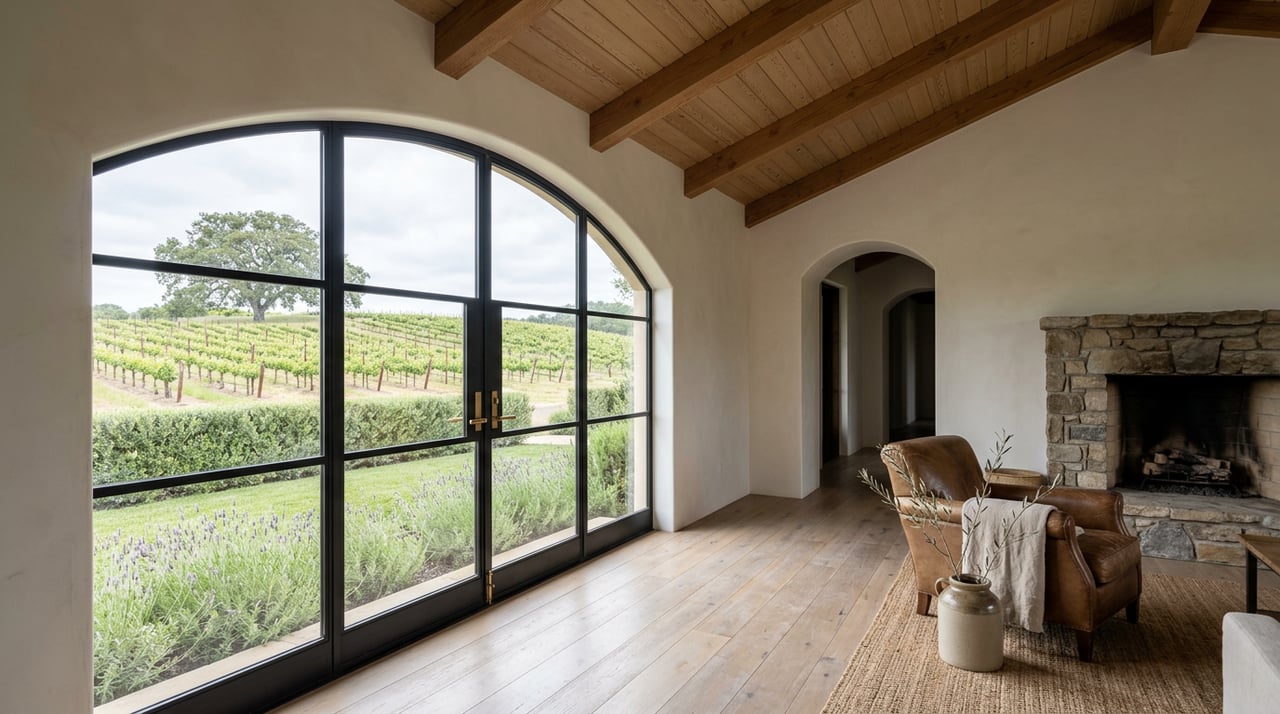
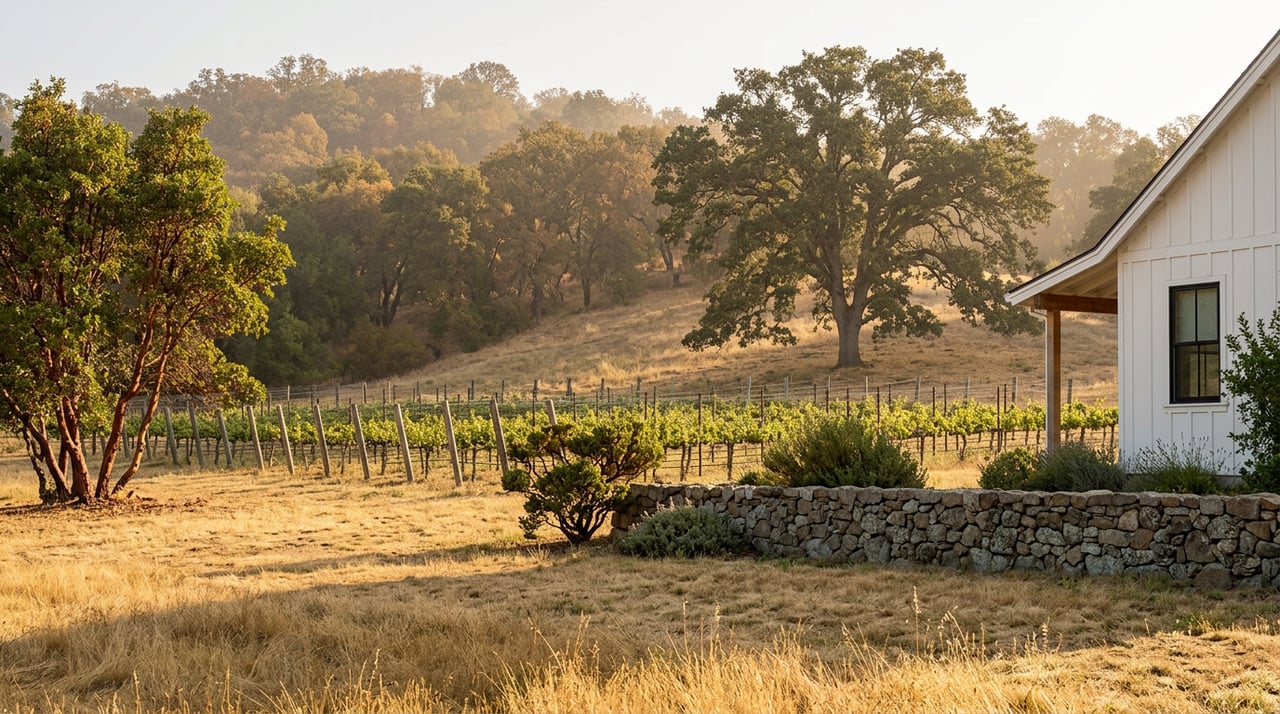
country property


Nancy’s specialty is Country and Equestrian Property, which are unique, with wells, septic systems, barns and out buildings, often irrigation and riparian water rights that most real estate agent have no experience with. As an owner of a commercial horse facility, Nancy has personal experience managing all of this and is the agent you want representing you when buying or selling Country Property in Northern California.