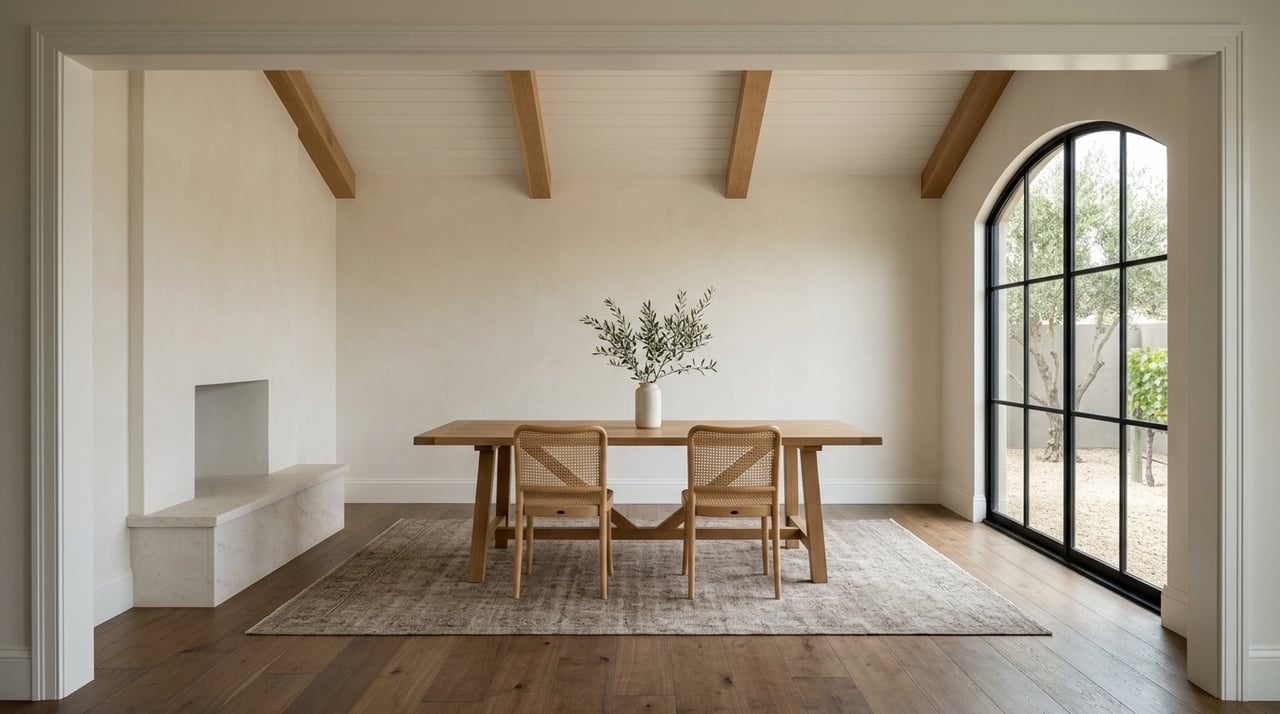
Penngrove Off-Market Vineyard Sale Strategies for Sellers
May 21, 2026
May 21, 2026
If you own a Penngrove property with a barn, vineyard, or both, a public listing is not your only option. In a place where land use, water, access, and agricultural function can matter as much as the residence itself, a quiet sale can sometimes protect your privacy and attract more qualified interest. This guide walks you through when an off-market strategy makes sense in Penngrove, how to prepare, and what buyers will expect before you launch. Let’s dive in.
Penngrove sits within Sonoma County’s larger agricultural landscape, and county planning reflects that reality. Local zoning is designed to protect agricultural communities, scenic character, and natural resources, so buyers often look at these properties as land-and-use assets, not just homes.
That matters if you are selling a parcel with a barn, paddocks, vineyard blocks, or open acreage. A buyer may care as much about irrigation, access roads, drainage, fencing, easements, and operational fit as they do about finishes inside the house.
Penngrove also benefits from a buyer pool that can span several lifestyle and land-use goals. In Sonoma County, vineyard acreage is substantial across many AVAs, and the regional parks system supports equestrian use through horse trails and related facilities. In practical terms, your likely audience may include horse owners, vineyard operators, and privacy-minded lifestyle buyers.
An off-market or limited-exposure strategy can be a strong choice when broad public marketing creates more problems than benefits. That is often true when a property has active animal operations, ongoing farm use, tenant occupancy, or a sensitive family situation.
Under NAR’s 2025 Multiple Listing Options for Sellers policy, sellers may have options such as an office exclusive or delayed-marketing exempt listing, subject to local MLS rules. An office exclusive generally means the seller directs that there be no public marketing and no MLS dissemination.
For a Penngrove barn or vineyard property, that can offer real advantages. It can reduce disruption to horses, protect operational privacy, and limit casual traffic from buyers who are not equipped for rural ownership.
A private launch can reduce public exposure, but it does not reduce the need for preparation. California disclosure duties still apply, and buyers in this segment usually expect serious due diligence early in the process.
The California Department of Real Estate says seller disclosures cover physical condition, potential hazards or defects, and special taxes or assessments. Its buyer guidance also notes that the preliminary title report identifies ownership history and liens or encumbrances.
In other words, a quiet sale is not a shortcut. It is a more selective marketing path that works best when the property file is organized and the buyer pool is carefully qualified.
One of the biggest mistakes sellers make is pricing a barn-and-vineyard property like a standard residential home. For Penngrove acreage, that approach can miss the features that actually drive value.
USDA appraisal guidance for rural and farm property says comparable sales should share similar physical and economic characteristics and the same highest and best use. It also says valuation should address land classes, building contributory value, and features such as fences, corrals, irrigation, drainage, ponds, roads, buildings, easements, water rights, permits, and zoning.
That is especially relevant in Penngrove. A productive vineyard block, a usable barn layout, legal water infrastructure, and practical access can push value up or down in ways that nearby suburban home sales cannot explain.
Sonoma County vineyard guidance adds another layer. Water needs depend on crop requirements and irrigation strategy, and slope and soil erodibility can trigger erosion-control review. For sellers, the takeaway is simple: value often turns on whether the property can support horses or vines legally and efficiently, not just on acreage totals.
In Sonoma County, terroir varies with climate, elevation, soils, and marine influence. That affects varietal fit and ripening, which means one vineyard parcel is not interchangeable with another just because the acre count looks similar.
If your Penngrove property includes vineyard ground, buyers may evaluate the block itself as a value driver. They may look at site fit, water strategy, and how the parcel functions as part of a working or hobby vineyard operation.
That is why off-market pricing should be disciplined and specific. A private launch does not automatically require a discount, and a public launch does not guarantee a premium. The stronger path is a specialist valuation built around rural comps and site utility.
The same principle applies to equestrian features. A barn is not valuable simply because it exists. Buyers tend to focus on whether the improvements are useful, lawful, and easy to operate.
A practical layout, paddock flow, fencing, drainage, roads, and access can matter more than cosmetic upgrades. For some buyers, the property’s equine utility will be central to the decision.
This is one reason private marketing can be effective in Penngrove. A curated launch can put the property in front of people who already understand horse infrastructure and are prepared to assess it on that basis.
Before you test an off-market strategy, gather the records a serious buyer will likely request. This step protects your timeline and helps avoid surprises once negotiations begin.
In Sonoma County, Permit Sonoma currently offers an agricultural building exemption for certain buildings on parcels of five acres or more. At the same time, it says a well construction permit is required for new or replacement wells, and non-emergency well permits are suspended after the December 17, 2024 court order.
That makes documentation especially important for Penngrove sellers. If your property depends on wells, septic systems, barns, irrigation, or agricultural structures, buyers will want clarity on what exists, what was permitted, and how the site has been used.
A practical pre-launch file often includes:
For rural property, title review is not just a legal box to check. It can shape how the property should be positioned and what a buyer can reasonably expect.
County GIS data show Sonoma County Ag + Open Space holds conservation easements, open-space easements, and fee properties in the county. USDA appraisal guidance also treats easements, permits, and water rights as legal characteristics that can affect value.
So before marketing the property as a turnkey equestrian estate, productive vineyard parcel, or expansion opportunity, verify the recorded facts. A careful review can help you avoid overpromising and support cleaner negotiations.
Off-market selling works best when access is selective, but that does not mean subjective. Screening should be based on objective business and operational factors, not assumptions about who “fits” the property.
HUD says the Fair Housing Act prohibits discrimination in housing based on race, color, national origin, religion, sex, familial status, and disability. In the same spirit, buyer qualification for a private sale should focus on neutral criteria such as proof of funds, financing capacity, and whether the buyer understands the property’s practical constraints.
For a Penngrove barn or vineyard sale, useful screening topics may include:
That approach protects both privacy and compliance. It also increases the odds that showings are limited to buyers who can move forward intelligently.
A quiet sale should still be a real strategy, not a vague hope that the right buyer appears. The best results usually come from a structured process with clear positioning, careful pricing, and well-prepared documentation.
A strong Penngrove off-market plan often includes these steps:
Define the sale strategy Decide whether privacy, operational continuity, or limited exposure is the main reason for avoiding a public launch.
Complete specialist pricing Use rural and land-use-aware valuation, not standard house comps.
Organize the diligence file Assemble permits, title information, water records, septic records, and relevant property history.
Clarify the property story Present the property accurately as an equestrian estate, vineyard parcel, mixed-use lifestyle property, or another documented use case.
Qualify buyer access Limit showings to buyers with the financial ability and operational understanding to pursue the property seriously.
Stay disclosure-ready Treat a private launch with the same care you would give a public listing when it comes to known condition issues and legal review.
For many Penngrove sellers, the point of an off-market strategy is not secrecy for its own sake. It is control. You can protect the daily function of the property, reduce unnecessary traffic, and present the asset in a way that speaks to qualified buyers who understand what makes it valuable.
That is especially true when the property sits at the intersection of vineyard utility, equestrian use, and rural lifestyle appeal. In those cases, a curated launch can be the most thoughtful way to preserve discretion while still reaching the right audience.
If you are weighing a private sale for a Penngrove horse or vineyard property, Nancy Manning offers a curated, relationship-first approach built for wine-country and equestrian estates.
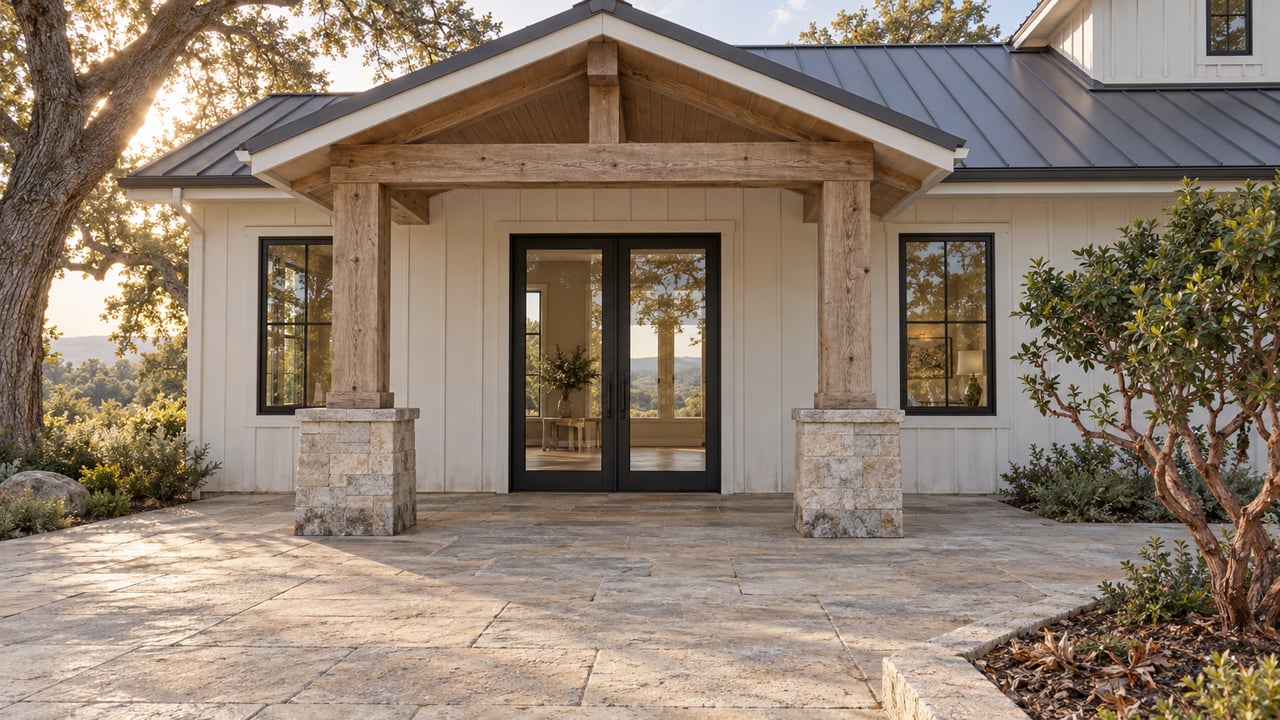
wine country property
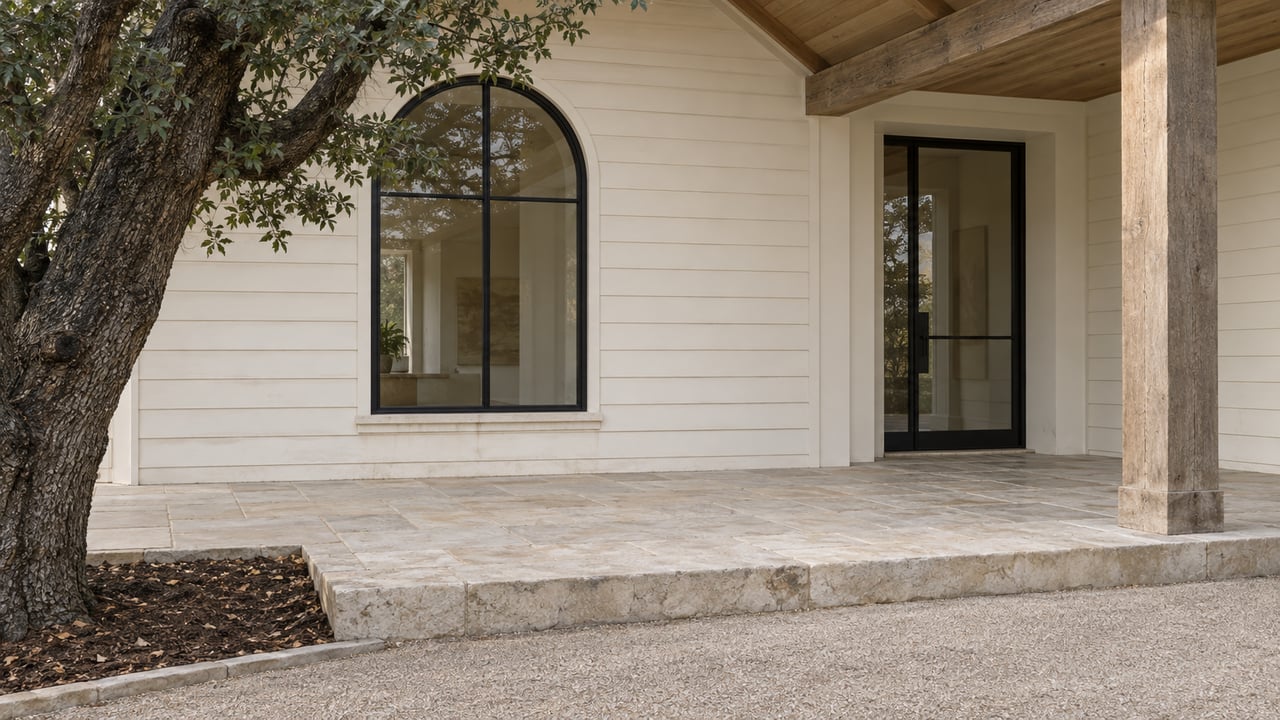
wine country property
country property


Nancy’s specialty is Country and Equestrian Property, which are unique, with wells, septic systems, barns and out buildings, often irrigation and riparian water rights that most real estate agent have no experience with. As an owner of a commercial horse facility, Nancy has personal experience managing all of this and is the agent you want representing you when buying or selling Country Property in Northern California.