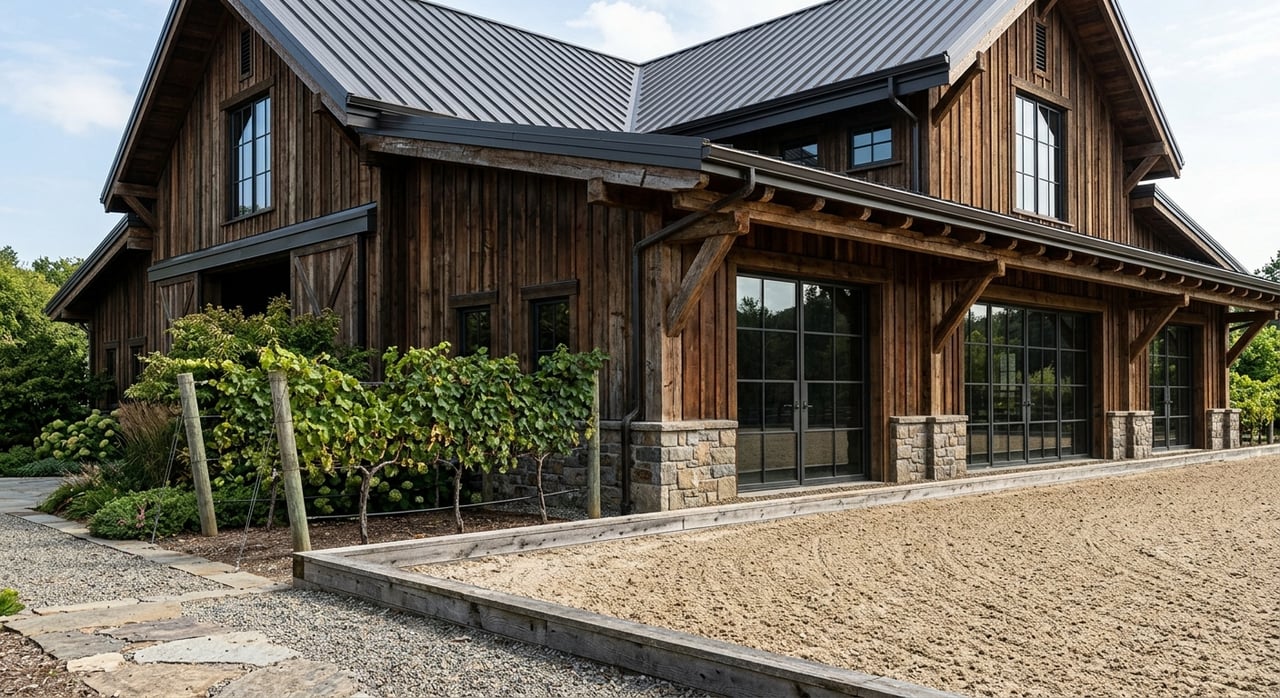
How to Evaluate Petaluma Vineyard Horse Estates
June 11, 2026
June 11, 2026
If you are shopping for a Petaluma vineyard-horse estate, raw acreage can be the least important number on the listing sheet. In this part of Sonoma County, the right property is not just about views or romance. It is about how the land, water, access, horse facilities, and vineyard potential work together in real life. If you know what to screen early, you can avoid expensive surprises and focus on properties with real long-term value. Let’s dive in.
Petaluma sits in a setting that is unusually shaped by wind, fog, and coastal marine influence. The Petaluma Gap AVA, established in 2017, spans southern Sonoma and northern Marin and is known for its cool-climate growing environment, rolling hills below 1,000 feet, and steady exposure to marine air.
For you as a buyer, that means a vineyard-horse estate here should be evaluated as a system, not as a postcard. Exposure, air movement, and wind protection can matter just as much as acreage totals or a pretty ridgeline. A parcel that looks dramatic on first tour may be harder to farm, wetter than expected in winter, or more exposed than ideal for riding and daily horse care.
Good vineyard land starts with well-drained soil. UC guidance notes that grapes can grow in a wide range of soils, but poorly drained ground should be avoided, and hardpan, claypan, or shallow bedrock may require raised beds.
That is why soil mapping should be one of your first diligence steps, not an afterthought. The NRCS Web Soil Survey is the current authoritative source for soil maps and interpretations, and it can help you identify whether the ground supports your vision before you get too far into a deal.
When you walk the property, look beyond surface beauty. Ground that stays soft, slick, or ponded after rain may signal drainage concerns that can affect both vines and horses.
Slope is one of the biggest cost and feasibility filters in Sonoma County. The UC Sonoma County Vineyard Site Assessment Guide explains that erosion risk increases as slope rises, and that vineyard development on steeper sites may trigger erosion and sediment control review.
The same guide notes that new plantings are generally not allowed on very steep sites with an average slope of 50 percent or more, except in limited cases. In practical terms, gentle to moderate terrain is usually easier to develop, maintain, and protect than steep hillside acreage.
For many buyers, this is where the dream and the budget meet reality. A dramatic hillside may offer beautiful views, but a more moderate site often creates a better balance between vineyard use, equestrian function, and daily livability.
Wet spots can change everything. The county vineyard guide recommends mapping streams, riparian areas, swales, basins, springs, and other signs of saturated land before development plans move forward.
Vegetation can also give you clues. If parts of the parcel stay greener longer, collect standing water, or show signs of seasonal saturation, those areas may require added review, permitting, or a different site plan.
This matters because seasonally or perennially saturated land can trigger permitting with agencies such as the U.S. Army Corps of Engineers and may require additional environmental review. A beautiful lower pasture or vineyard block is not always as usable as it first appears.
In Petaluma, water is not one simple story. The City of Petaluma says most of its supply is imported from the Russian River system, but it also uses local municipal groundwater wells during shortages and peak summer demand. The city also provides recycled water for irrigation of vineyards and agricultural land where properties are eligible.
Outside more urban service areas, rural domestic and agricultural use in the Petaluma Valley often depends on groundwater. USGS notes that groundwater is the primary source of supply for rural domestic and agricultural use there.
For you, that means every estate needs a clear water plan. You want to know whether the property relies on city service, recycled water eligibility, a private well, or some combination of sources.
The Sonoma County vineyard guide advises buyers to identify where streams and surface waters enter and leave the site, verify what rights or permits are actually attached to the property, and confirm groundwater availability with the county and state agencies.
This is especially important on rural acreage, where assumptions can be costly. A property near city services may still function as a private well property in practice, and a parcel with vineyard potential still needs a realistic irrigation and domestic water strategy.
Before you write an offer, make sure the water story is specific and documented. If the plan is vague, treat that as a diligence issue rather than a detail to sort out later.
A pretty arena can be misleading. Equine facility guidance shows that a riding arena depends on the base and sub-base just as much as the footing layer, and outdoor surfaces should shed water rather than trap it or let material collect at the fence line.
If you are looking at an existing arena, ask how it performs after winter storms, not just how it rides on a sunny afternoon. A well-built arena should have a prepared base, good drainage, and footing that stays consistent through seasonal changes.
The same principle applies to all-weather paddocks and turnouts. Properly built surfaces often include a prepared, drained base with layers designed to reduce mud and protect long-term usability.
On horse properties, barn placement is not just a convenience issue. Sonoma County building regulations warn that grading or constructing a barn can affect sewage disposal if it infringes on the leach field, and county approval is required when an on-site wastewater system may be affected.
That means you should confirm where the septic system and leach field are located before assuming a barn, tack room, wash rack, or expansion area is truly buildable. A property can appear to have room for equestrian improvements while hiding major constraints below the surface.
This is one of those details that separates a charming tour from a workable estate. It is also why site plans, permits, and consultant review matter so much for this property type.
A vineyard-horse estate should function well on an ordinary day, not just in listing photos. Feed deliveries, horse trailers, manure removal, farm equipment, and emergency vehicles all need a clear path through the property.
If the driveway is tight, if the barn sits awkwardly, or if paddocks turn muddy after rain, your ownership experience changes fast. The best properties tend to have logical circulation between the home, barn, turnout, arena, and vineyard areas.
In Sonoma County, access is a serious safety and usability issue. The county fire safety ordinance requires a 12-foot traffic lane and 15-foot vertical clearance on driveways, along with turnouts and turnarounds for longer driveways and dead-end roads.
That matters for more than fire response. It affects horse trailers, manure trucks, feed delivery, service vehicles, and guest access as well.
A long scenic drive may feel private and elegant, but if it does not meet practical standards, it can become a costly upgrade item. This should be reviewed early, especially on rural parcels.
The same county fire ordinance states that parcels served by a private well may need a 2,500-gallon emergency water supply for residential buildings, with related hydrant and access standards tied to driveway layout.
For buyers, this is a key diligence item. A property can look nearly turnkey, but still require meaningful investment to meet fire and emergency water expectations.
If you are comparing multiple estates, this is one of the details that can separate a smooth purchase from a future capital project.
Flood risk is a real part of the Petaluma picture. The City of Petaluma says its floodplain follows the Petaluma River, that the city has experienced five major floods since 1982, and that even properties outside mapped flood zones can still be at risk.
Sonoma Water has also pointed to the watershed’s vulnerability, especially after floods in 2021 and 2023. So if a parcel sits near a creek, river corridor, low road, or drainage swale, flood exposure should be part of your financial review before you commit.
Also note that flood insurance is separate from standard homeowners coverage. In practice, that means insurance cost, access during storms, and road-closure risk should be evaluated alongside the home, barn, and vineyard plan.
One of the first questions to answer is whether the parcel is inside the City of Petaluma or in unincorporated Sonoma County. The city notes that each parcel has its own zoning designation and that conditional uses may require a conditional use permit.
In the unincorporated area, Sonoma County zoning, fire, grading, and building rules control. That difference matters because the permit path for barns, arenas, vineyard development, access improvements, and other uses may vary depending on where the property sits.
If you are planning anything beyond private enjoyment, this becomes even more important. Assumptions about future use can lead to expensive missteps.
Sonoma County zoning recognizes commercial horse facilities and stables, including boarding and training uses, but there are no unique use-specific standards in that section. In practical terms, the underlying zoning district and permit path still control.
So if you are considering lessons, boarding, clinics, or other non-private equestrian activity, you will want to confirm what is allowed before moving ahead. The same care applies if you are thinking about vineyard expansion or broader land-use changes.
A property that works beautifully as a private estate may not be the right fit for a more active operation. Clarity here protects both your plans and your budget.
The most useful early specialists for this property type often include Permit Sonoma, a surveyor or civil engineer, UC Cooperative Extension Sonoma County, NRCS or the local Resource Conservation District, and the Regional Water Quality Control Board. Where creeks or wetlands are involved, the U.S. Army Corps of Engineers may also be part of the review.
On the equestrian side, an equine barn or arena consultant can be just as valuable. Drainage, footing depth, mud control, and turnout performance can look acceptable during a dry showing and perform very differently after the first serious winter.
This is where expert guidance pays off. The strongest Petaluma shortlist usually comes from properties where the vineyard plan, horse facilities, water source, driveway, and flood or fire constraints all support one another.
At a high level, the most promising vineyard-horse estates in Petaluma usually share a few traits:
When one of these systems is weak, the property may still be worthwhile, but it should be valued differently.
In a market as specialized as Petaluma, the best opportunities tend to reward careful buyers. If you screen the land first and the lifestyle second, you are more likely to end up with a property that supports both.
If you are looking for a more discreet, specialist approach to Petaluma vineyard-horse estates, Nancy Manning offers curated guidance for buyers and sellers navigating this highly specific segment of wine-country real estate.
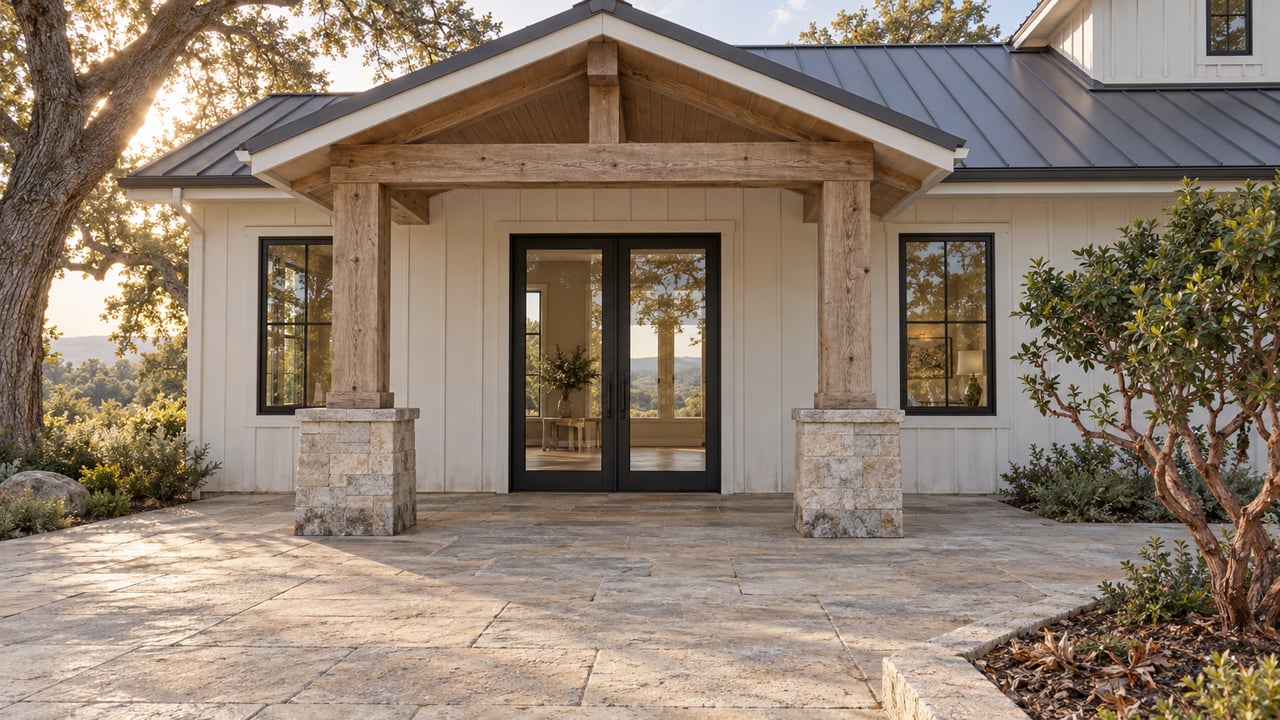
wine country property
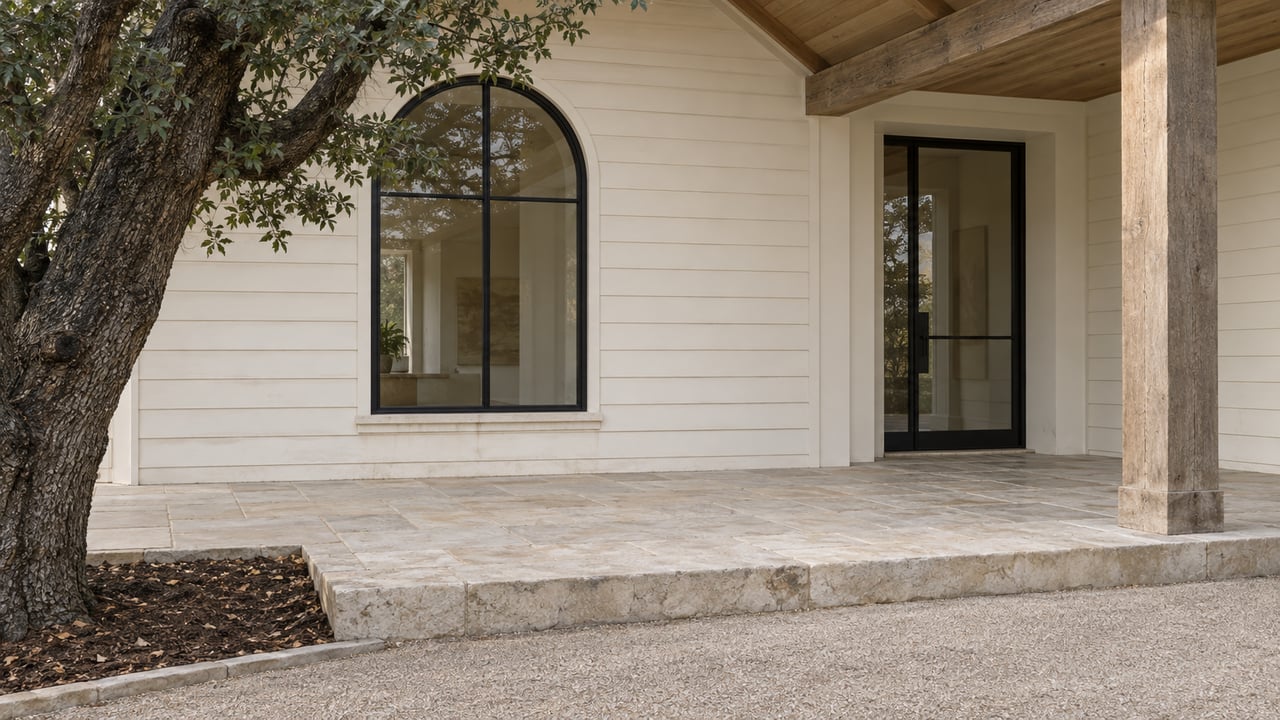
wine country property
country property


Nancy’s specialty is Country and Equestrian Property, which are unique, with wells, septic systems, barns and out buildings, often irrigation and riparian water rights that most real estate agent have no experience with. As an owner of a commercial horse facility, Nancy has personal experience managing all of this and is the agent you want representing you when buying or selling Country Property in Northern California.