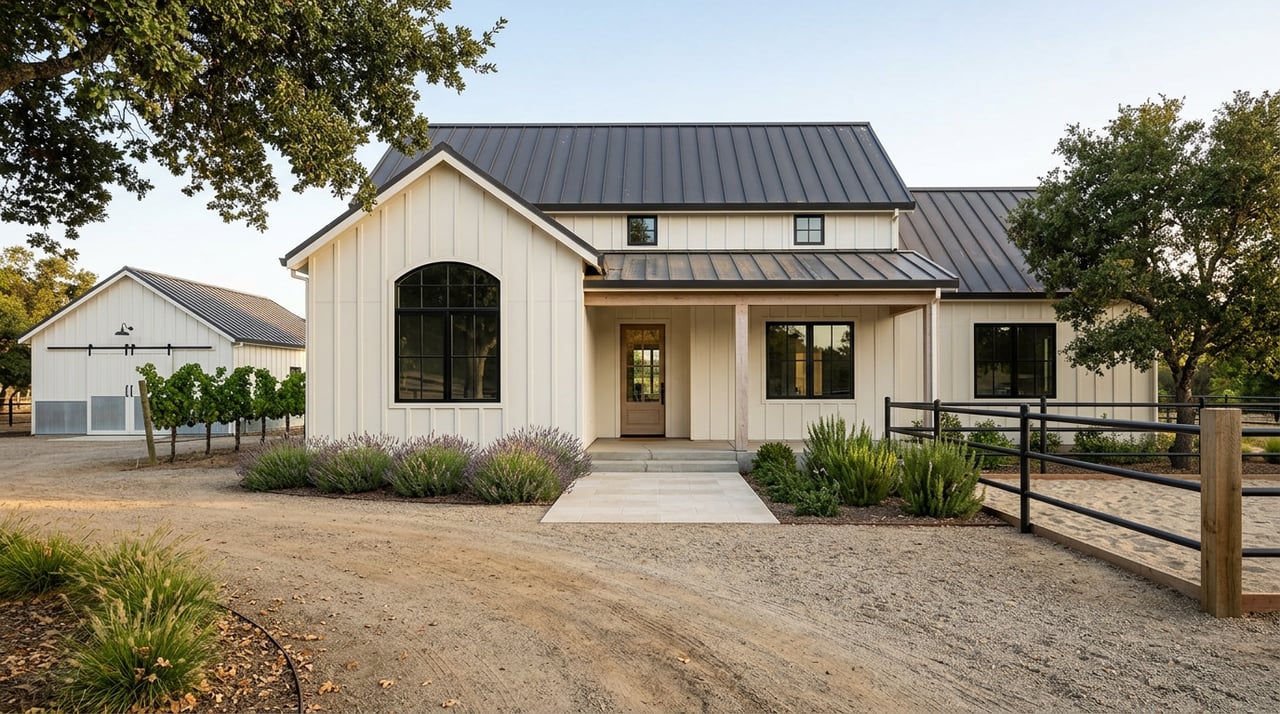
Cotati Wine Country Horse Properties for Horses & Vines
March 24, 2026
March 24, 2026
Picture morning rides under soft coastal light, then tending a tidy vine row before lunch in town. If you want a small Sonoma acreage that keeps your horses close and your hobby vines thriving, Cotati belongs on your shortlist. The area offers a rare blend of rural feel, cool-climate wine identity, and quick access to daily amenities. In this guide, you’ll learn how to vet parcels for equestrian and vineyard use, from zoning and water to wildfire and vineyard setup. Let’s dive in.
Cotati is a compact city in southern Sonoma County with 7,584 residents, according to the 2020 U.S. Census. That small scale supports a friendly, low-key pace while keeping services close by. U.S. Census QuickFacts confirms the population.
You sit right on the Highway 101 corridor between Rohnert Park and Petaluma, so commutes and errands are straightforward. Regional rail service, park-and-ride access, and a roughly 45 to 50 mile drive to San Francisco make it practical for second-home owners and remote workers who still head to the Bay Area sometimes.
Viticulture is part of the local DNA. Cotati lies near the cool-coastal Petaluma Gap, recognized by the federal government as an American Viticultural Area in 2017. This marine-influenced corridor favors Pinot Noir and Chardonnay and shapes site selection and trellis decisions. If you care about AVA identity, review the official Petaluma Gap AVA final rule.
Most modest acreages around Cotati sit just outside city limits in unincorporated Sonoma County. That means the County’s Zoning Code and Permit Sonoma rules will usually apply. Always confirm the parcel’s base zone and any combining districts using the County’s official zoning GIS layer.
Typical rural designations include LIA (Land Intensive Agriculture), LEA (Land Extensive Agriculture), DA (Diverse Agriculture), RRD/RR (Rural Resources and Rural Development or Rural Residential). These districts define what is allowed by right and what needs a permit, including horse keeping, barns, farmstands, ADUs, and small-scale agriculture. Two neighboring parcels can have different allowances, so treat every lot as unique.
Keeping a few personal horses for private use is handled differently from operating a commercial boarding or training barn with outside clients. Commercial activity usually requires a use permit, technical plans, and inspections. Permit Sonoma’s equestrian guidance outlines standards for setbacks to property lines and dwellings, placement of water and feed, manure and runoff control, and restroom or utility requirements. Review the County’s horse-boarding guidance (PJR-036) before you write any offers if a business is part of your plan.
Inside Cotati city limits, properties connect to the City’s public water system. Rural parcels on the edges typically rely on private wells or small systems. Water capacity influences everything from pasture and arena dust control to vineyard irrigation and the feasibility of a second dwelling. You can verify the City system’s status on the State’s database for public water systems by reviewing the City of Cotati water system entry.
Without a sewer connection, most rural properties use onsite wastewater systems. Septic performance and capacity affect bedroom counts, ADU plans, and permitted commercial uses. Before you commit, request the septic file, any Operational Permit and Monitoring records, and the as-built plan from Permit Sonoma. Start with the County’s well and septic hub.
Parts of the Cotati–Santa Rosa plain sit within the Laguna de Santa Rosa watershed, a complex of wetlands and floodplain areas. If a parcel overlaps mapped flood or riparian zones, extra setbacks and grading limits apply, and septic siting can be constrained. For background and mapping context, review the North Coast Water Board’s materials related to the Laguna de Santa Rosa system.
Fire readiness is part of rural living in Sonoma County. Cotati and the County apply standards tied to Fire Hazard Severity Zones, which affect defensible space, access width and turnouts, and sometimes onsite fire water supply. Check a parcel’s designation on the County’s Cotati Fire Hazard Severity Zone map and ask your insurer how it influences coverage.
If you keep horses, build evacuation into the layout from day one. A firm, all-weather driveway for trailers, multiple egress routes, and a pre-packed go kit save precious minutes under stress. UC Davis provides practical checklists and posters for animal disaster planning. Keep them handy and share with your barn team using UC Davis equine disaster-preparedness resources.
For planning, extension guidance commonly uses about 1 to 2 acres of well-managed pasture per 1,000-pound horse. Actual capacity depends on soil productivity, irrigation, and your grazing plan. In dry summers, you will supplement with hay and rely on a sacrifice or dry lot to protect pastures. Review stocking and management tips in UMN Extension’s pasture guide.
A functional small-acreage layout includes a modest barn or run-in, a dedicated dry lot for wet seasons, cross-fenced paddocks for rotation, and a set area for manure storage and composting. Structure placement must respect County setbacks and water-quality rules. If you are considering lessons, clinics, or boarding with outside clients, study the County’s horse-boarding standards early so your layout aligns with permit expectations.
Hobby vineyards typically range from a quarter acre to a couple of acres. Modern vine spacing varies, but a common layout such as 5 feet by 8 feet often pencils to roughly 1,100 vines per acre. Choose spacing to match your equipment, water availability, and labor. Even small blocks usually benefit from drip irrigation during dry months.
Cotati’s cool, often breezy conditions favor Pinot Noir and Chardonnay, along with select whites. Canopy and wind management matter here, especially on open sites. If you want AVA recognition on fruit origin, confirm boundaries in the federal Petaluma Gap AVA rule and align your planting and farming records accordingly.
1-acre starter ranchette. One well-cared-for horse, a small 2 to 3 stall barn or run-in, a fenced dry lot, and one or two simple paddocks. If the site has a sunny, well-drained corner, add a small vine block of a few hundred vines. Double-check well yield and septic capacity before planning any structure additions.
2 to 5 acre serious hobby. Two to four horses with rotational paddocks, a 3 to 6 stall barn plus hay and tack, a round pen or small arena, and 0.5 to 2 acres of vines depending on layout. This footprint supports dedicated manure storage and a second driveway spur for trailers so daily traffic does not cut across your main yard.
5 to 20 acre small farm. Multiple paddocks, larger barns or covered arenas, onsite hay production, and larger vineyard blocks become realistic. At this scale, site-specific engineering, fire-safe access, and careful water and septic design typically become part of the plan.
Before you write an offer, confirm these items at the parcel level:
Inventory for small, well-located acreage near Cotati is limited and highly individualized. Focus your search around your non-negotiables, like number of horses, arena footprint, and water capacity for vines. When a candidate appears, move quickly on records requests and schedule site walks with your equine and vineyard advisors.
If privacy or discretion matters, or if you are seeking a rare blend of amenities, a curated search can give you early or private looks and sharper due diligence. Our approach pairs lifestyle goals with technical feasibility so you do not inherit avoidable permitting or infrastructure surprises.
Ready to explore Cotati acreage that suits both horses and vines? Reach out to Nancy Manning for private access to curated options and expert, land-use–savvy guidance.
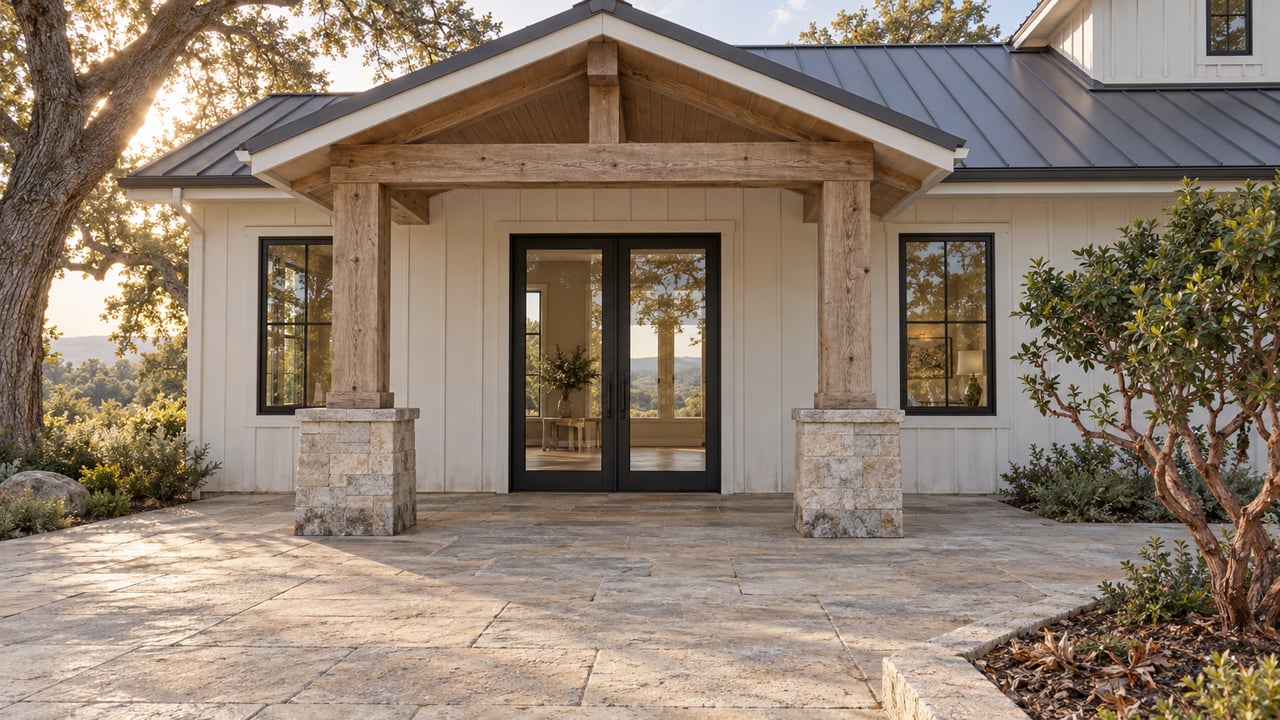
wine country property
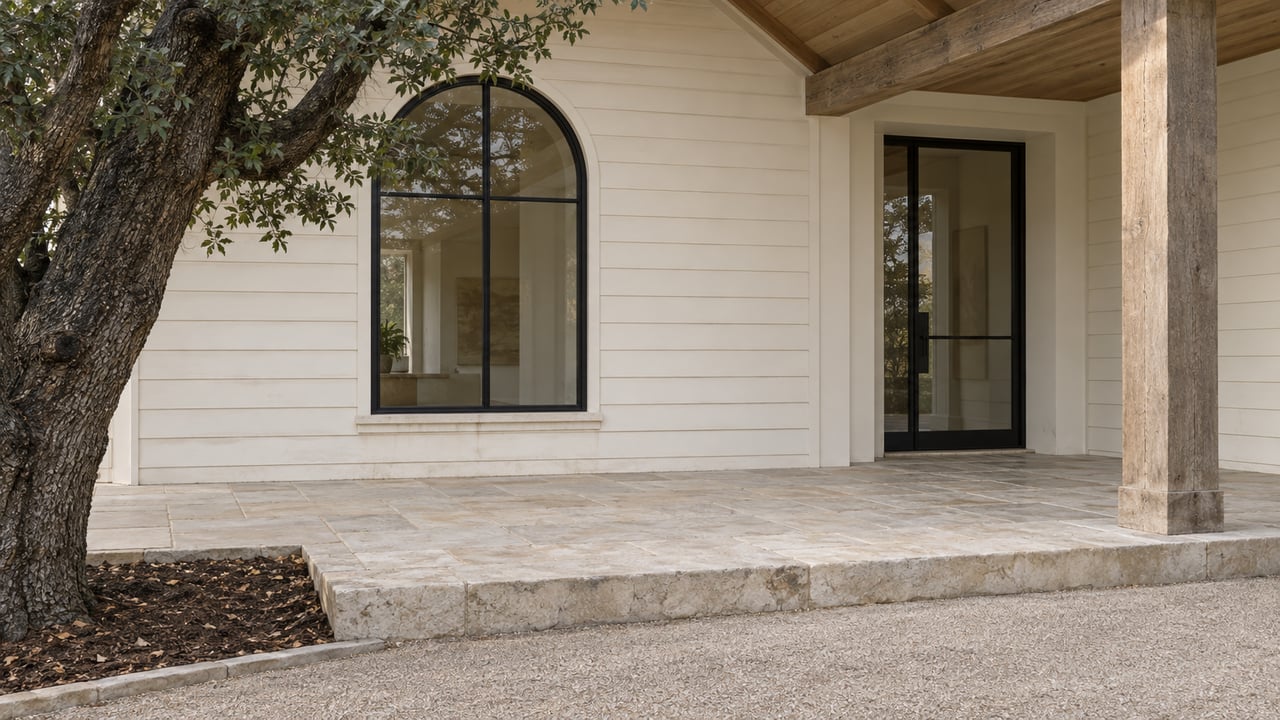
wine country property
country property


Nancy’s specialty is Country and Equestrian Property, which are unique, with wells, septic systems, barns and out buildings, often irrigation and riparian water rights that most real estate agent have no experience with. As an owner of a commercial horse facility, Nancy has personal experience managing all of this and is the agent you want representing you when buying or selling Country Property in Northern California.