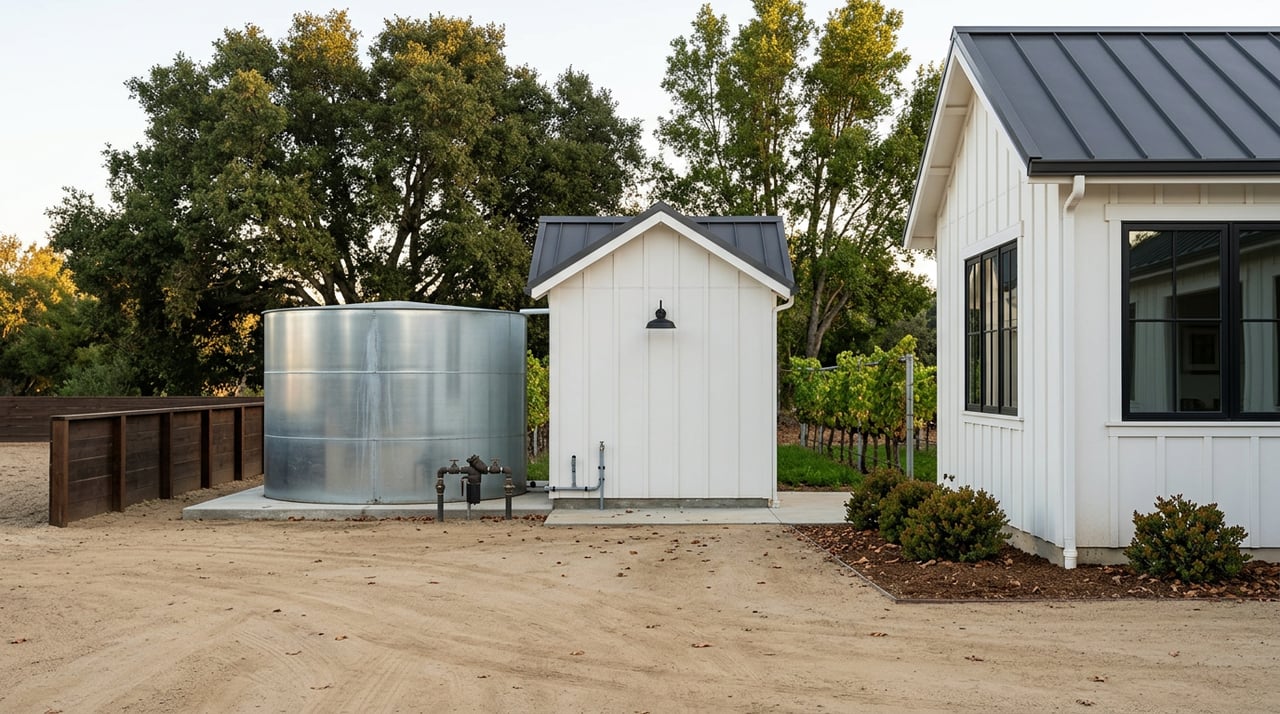
Penngrove Vineyard Zoning & Water Basics for Estates
March 5, 2026
March 5, 2026
Shopping for a Penngrove, Petaluma or Santa Rosa area vineyard estate with room for horses? Before you fall for the views and acreage, make sure the zoning, water, and wastewater pieces line up with your plans. In unincorporated Sonoma County, these details shape what you can build, plant, host, and pump. This guide gives you a clear starting point, so you can buy with confidence and avoid preventable delays. Let’s dive in.
Zoning and water rules for Sonoma County vineyard and equestrian estates are parcel‑specific and can change quickly. Buyers should request Permit Sonoma permit files, well and septic records, and a parcel‑level groundwater or GSA check before making offers; engage experienced local consultants early in the process.
Some areas of Penngrove, Petaluma and Santa Rosa sit in unincorporated Sonoma County. Land use, zoning, wells, septic, grading, and winery use permits run through Permit Sonoma. Start every property review with the county’s permit history and zoning for the parcel.
Some parcels in town connect to sewer through the Penngrove Sanitation Zone, operated by Sonoma Water. For rural estates outside that zone, expect private septic. If sewer connection is important for your plans, confirm service area and connection feasibility using the Penngrove Sanitation Zone resources from Sonoma Water.
Groundwater falls under the Petaluma Valley Groundwater Sustainability Agency (GSA). The GSA manages basin monitoring and may assess fees for certain groundwater uses. Review the latest fee framework and parcel tools on the Petaluma Valley GSA site.
Sonoma County’s agricultural base zones set the ground rules for vineyards, wineries, barns, and equestrian uses. The most common categories you’ll see are:
If a property includes wine hospitality or events, expect close review. Sonoma County standardized visitor‑serving rules under its Winery Events Ordinance. New or modified tasting rooms and events are evaluated for hours, guest counts, parking, traffic management, wastewater capacity, and fit with agricultural goals. To understand how projects are conditioned in practice, review Permit Sonoma’s examples of winery project descriptions and conditions and the ordinance record at CEQAnet.
Key takeaway: Stables, commercial boarding, riding academies, public tasting rooms, and larger processing often trigger a Use Permit. Plan for conditions of approval that address operations and infrastructure. Properties for sale with these amenities should already have the use permits which run with the land, but it's important to verify the status.
Most Penngrove, Petaluma & Santa Rosa vineyard and equestrian estates rely on private wells. In 2023, Sonoma County updated its well rules. The current framework adds water conservation measures, expands metering and reporting for many non‑residential wells, and creates a discretionary Public Trust Review for wells in mapped areas near streams. Learn the latest application requirements on the county’s Water Wells page and the Well Ordinance update page.
The Petaluma Valley GSA is the basin authority for SGMA planning. Large or non‑exempt wells can be referred to the GSA during permitting, and some groundwater uses may incur annual fees based on estimated extraction. Use the GSA’s fee and parcel resources to understand possible carrying costs alongside your irrigation plans.
Practical steps when evaluating a property:
If you are outside the Penngrove Sanitation Zone, your estate will likely use an onsite septic system. Permit Sonoma issues septic permits and runs the county’s OWTS and OPR programs. For homes, expansions, guest units, and events, you will need soils and percolation testing, and your system must be sized by a licensed professional. County guidance notes that standard systems often start around twenty thousand dollars, while advanced treatment units can exceed fifty to seventy thousand dollars depending on site constraints. Review the county’s OWTS FAQs for typical requirements and considerations.
For wineries, process wastewater and crush‑pad water add complexity. Smaller production may use engineered onsite systems or seasonal storage and land application where allowed. Larger production or frequent events often require an engineered solution and, in some cases, connection to sewer if available. Permit conditions for tasting rooms and events commonly tie guest limits and schedules to wastewater capacity. See common conditions in Permit Sonoma’s winery project examples.
Several county overlays can influence layout, timing, and feasibility for vineyards and equestrian facilities:
Bottom line: Overlays do not prevent projects by default, but they do change the design and add studies, mitigation, and time.
Private barns and small accessory farm structures can be straightforward if they meet zoning and building standards. Once you introduce commercial boarding, public visitation, tasting rooms, or larger processing, expect a Use Permit with agency referrals and possible CEQA review. Depending on studies and public hearings, discretionary permits can take several months to more than a year. You can preview typical conditions and submittal standards from the county’s winery project examples to calibrate your scope and timeline.
Seasonal windows matter. Biological surveys for sensitive species and meaningful well tests often happen in specific seasons. Align site due diligence with these windows to keep your project on track.
Start early, request documents in writing, and line up the right specialists. Here is a concise sequence you can follow:
A Penngrove, Petaluma or Santa Rosa area vineyard‑plus‑equestrian estate rewards careful planning. Confirm your zoning, water, and wastewater early, and you will negotiate smarter, design with fewer revisions, and protect long‑term value. If you want a discreet partner who understands both vines and horses, connect with Nancy Manning to discuss your goals, review a parcel, or request private access to upcoming inventory.
wine country property
wine country property
country property


Nancy’s specialty is Country and Equestrian Property, which are unique, with wells, septic systems, barns and out buildings, often irrigation and riparian water rights that most real estate agent have no experience with. As an owner of a commercial horse facility, Nancy has personal experience managing all of this and is the agent you want representing you when buying or selling Country Property in Northern California.