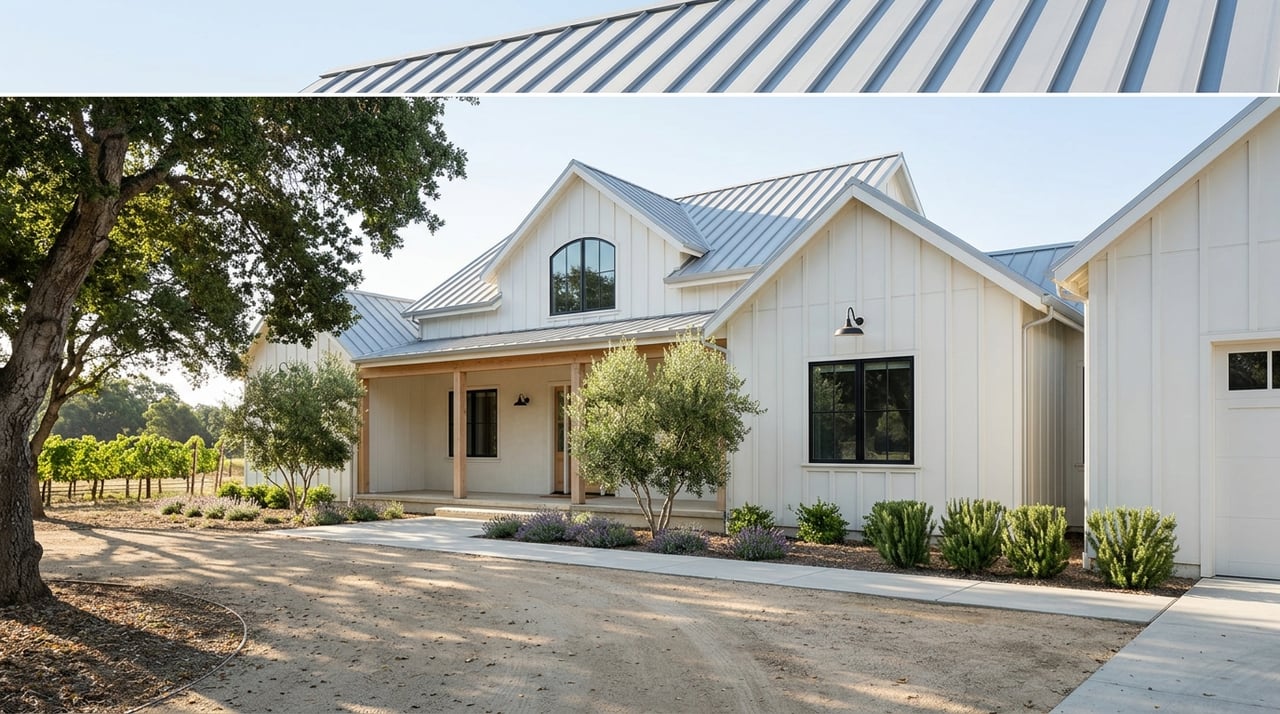
Santa Rosa Vineyard Ranch Due Diligence Guide for Buyers
April 23, 2026
April 23, 2026
Buying a vineyard ranch in Santa Rosa can look straightforward at first glance. There may be vines, a barn, an arena, and a beautiful home, but the real value often depends on what the land can legally and practically support. If you are considering a property in the 95401 area, this checklist will help you focus on the issues that matter most before you remove contingencies. Let’s dive in.
For Santa Rosa horse or vineyard ranch buyers, due diligence should begin with land use, not finishes or staging. In Sonoma County, these properties are often best evaluated as land-use transactions first and home purchases second.
Your first step is to confirm the parcel’s zoning and General Plan designation. Sonoma County provides tools through Permit Sonoma parcel search to verify zoning and land use by address or parcel number, and the county’s General Plan helps show how agricultural, residential, open space, and resource decisions are made.
You also want to know whether the uses you have in mind are allowed as of right, allowed only with permits, or already limited by prior approvals. That matters if you plan to maintain vines, keep horses, add structures, or expand the property’s current setup.
One of the biggest items to confirm early is whether the parcel is under a Williamson Act or Land Conservation Contract. In Sonoma County, these contracts run with the land and can affect what structures or uses may be approved.
This is especially important if you are thinking about adding a new dwelling, changing the agricultural operation, or repurposing land for another use. You should not rely on informal assumptions from prior owners when a recorded contract may shape what is possible.
An equestrian or vineyard ranch can include improvements added over decades, and not all of them were necessarily permitted or finalized. Pulling records early can help you verify the legal history of barns, stables, fences, wells, septic systems, driveways, retaining walls, and additions.
Sonoma County’s records resources are especially useful for older properties, where well and construction information may only appear in permit files or archived records. This step can help you answer a simple but critical question: is the property built the way you think it is, and is that work recognized by the county?
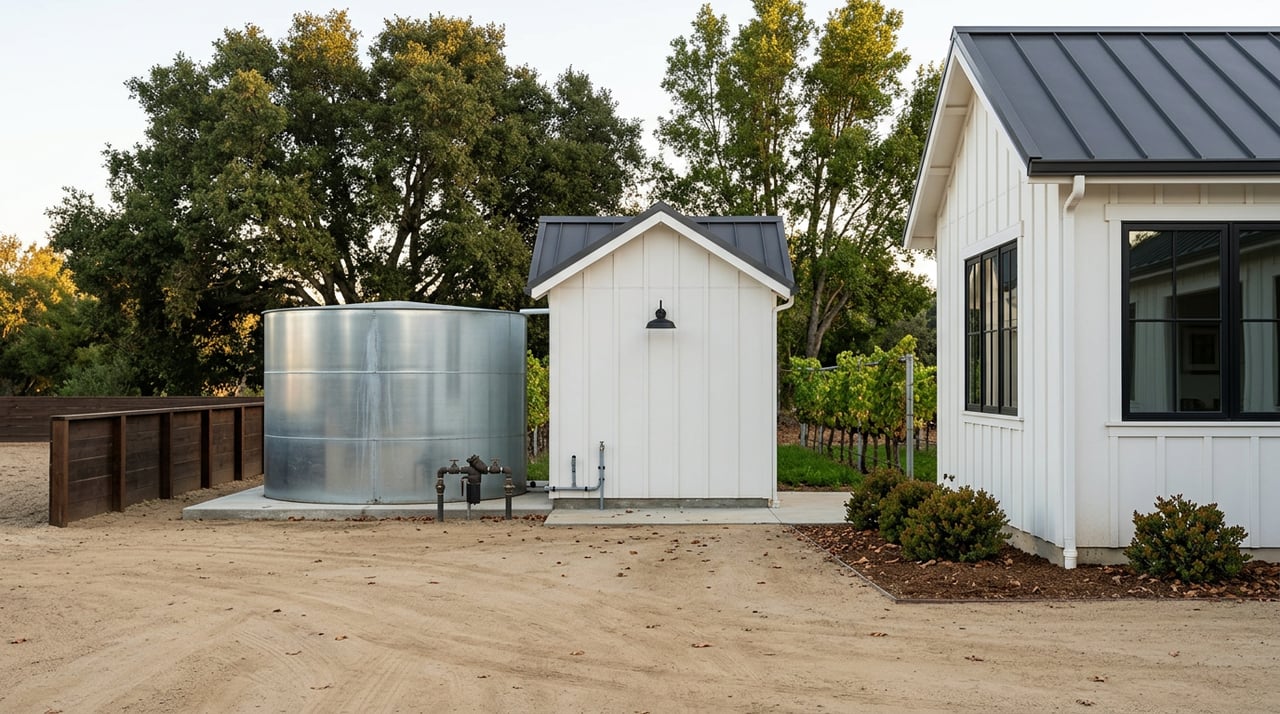
Water can make or break a horse or vineyard ranch purchase. Before you remove contingencies, review every available well and septic record so you can evaluate whether the property can support household use, horses, and irrigation under current county rules. Order your own well and septic inspections if not provided by the seller.
For older Santa Rosa-area properties, this often takes extra work. Sonoma County notes that some well information before 1973 may be with the State of California, while the county may only hold permit history for those records.
You should ask for well logs, pump information, permit files, water quality reports, and any notes about low-yield periods or replacement wells. A functioning well today does not automatically tell you whether it can meet your intended level of use over time.
If you think you may need a new or replacement well, confirm the current well-permitting process directly with Permit Sonoma. Sonoma County has updated its ordinance and permitting pathway in recent years, so current requirements should be verified before you build a budget around assumptions.
Water planning is not just about well output. Sonoma County’s water conservation requirements state that new wells generally require conservation and best-management practices, and most non-residential wells must install a meter and report water use.
For vineyard or orchard irrigation, the county says irrigation is limited to 0.6 AFY per acre unless existing use is supported by data or study. That number should be part of your review if the property includes vines or future planting plans.
You should also find out whether the parcel is within the county’s Public Trust Review Area. Sonoma County states that wells submitted after October 4, 2022, in that area may require discretionary public-trust review before a permit is issued.
It also helps to review the county’s groundwater availability mapping. This is a planning tool, not a substitute for site-specific review, but it can help you identify issues worth investigating further.
Septic should be reviewed just as carefully as the well. Sonoma County’s septic records and site evaluation resources allow records to be searched by address or APN, and some systems may be subject to ongoing operational monitoring.
This matters even more if the property includes a guest house, barn restroom, or any intended use that adds wastewater demand. Before moving forward, you want a clear answer on whether septic capacity matches the way you plan to use the ranch.
Do not assume the presence of vines means the vineyard is operationally sound. A vineyard’s success depends on water access, soils, slope, drainage, and the condition of the irrigation system.
The UC IPM guidance on watering grapes notes that irrigation is essential for grape production, with drip irrigation being a standard method. Buyers should inspect irrigation separately from domestic plumbing and look at emitters, controllers, filtration, pump size, and how water is delivered across the site.
A Sonoma County and UCCE vineyard site-assessment guide also highlights key items to review on site, including slopes, soils, driveway and road systems, streams, riparian corridors, erosion, wet areas, and vegetation. In other words, vines are just one piece of the picture.
Barns and horse facilities deserve their own review because appearance can be misleading. A barn may be standing and in use, but you still need to verify whether it was permitted, inspected, and approved, or validly exempted.
Sonoma County’s agricultural building exemption guidance makes clear that agricultural exemption is limited and does not remove building code or fire-safe compliance requirements. You should confirm the status of barns, stables, tack rooms, loafing sheds, arenas, fencing, gates, and driveway modifications.
If you are buying for personal horse use, the rules may differ from those for a boarding or training operation. Sonoma County’s agricultural use guidance for animals says raising, boarding, and training your own horses in agricultural zones may require no permit, but boarding other people’s horses requires a zoning permit.
The county also states that boarding or training six or more horses requires a use permit, and activities such as shows, clinics, and group lessons also trigger permit review. That is why your intended use should be matched carefully to the property’s existing approvals.
A practical question to ask is whether the current improvements support the operation you actually want. According to Sonoma County’s horse-boarding application information, buildings constructed as agricultural-exempt structures cannot be used in the horse-boarding operation.
That makes the as-built and permitted use of each structure especially important. A barn that works for private storage or agricultural support may not automatically work for a commercial equine setup.
Some buyers look at a vineyard ranch and imagine tastings, clinics, gatherings, or even future hospitality potential. Before you rely on that possibility, confirm whether the parcel already has permits that cover those activities.
Sonoma County’s special event permitting guidance states that events not fitting the property’s zoning or permitted use require zoning permit review. If an event involves the public right of way, an encroachment permit may also be required.
On a rural property, access is more than a convenience issue. It affects legality, insurability, day-to-day function, and emergency response.
Start by verifying legal access, then evaluate physical access. Sonoma County’s encroachment permit information notes that work in the public right of way, including driveway aprons and utility trenches, requires an encroachment permit, and older entrances may need upgrades to current standards.
Older ranch parcels often have access features that need close review. Sonoma County fire guidance on gates says gate openings must be at least two feet wider than the traffic lane, gates from road to driveway must sit at least 30 feet from the roadway, and locked gates need a Knox Box or another approved emergency release device.
Driveway geometry also matters. Sonoma County’s maximum grade bulletin states that no road or driveway may exceed a 20% maximum grade, grades above 15% require approval, and one-lane bridges must provide at least 12 feet of unobstructed width plus signage and load posting.
Wildfire due diligence is essential for Sonoma County vineyard and equestrian properties. You should verify whether the parcel is in a Fire Hazard Severity Zone and understand how that may affect disclosures and future development standards.
Sonoma County’s wildfire hazard mapping page explains that adopted maps affect real estate disclosure and development standards. The county also notes, alongside CAL FIRE guidance, that 100 feet of defensible space and home hardening are core protections.
Defensible space should be evaluated around more than just the residence. Barns, fences, propane tanks, road edges, and other improvements all matter when you are assessing wildfire readiness.
Sonoma County’s wildfire preparedness resources emphasize fuel reduction around homes and access routes. If the property is not on public water, ask how fire protection water supply is handled under county fire-development standards before you make assumptions about horses, vines, or future expansion.
A Santa Rosa horse or vineyard ranch purchase often touches planning, building, engineering, septic, and fire review. That is why a standard residential inspection approach may not go far enough for this type of property.
The strongest process is usually sequential: verify land-use legality first, then water and wastewater, then barns and equestrian improvements, then access and wildfire compliance. With the right specialists, you can move from broad interest to informed confidence without missing the issues that matter most.
If you are considering an equestrian or vineyard ranch in Santa Rosa or elsewhere in Sonoma County, Nancy Manning offers a curated, specialist approach focused on vineyard and equestrian properties, with the experience, discretion and technical perspective these purchases demand.
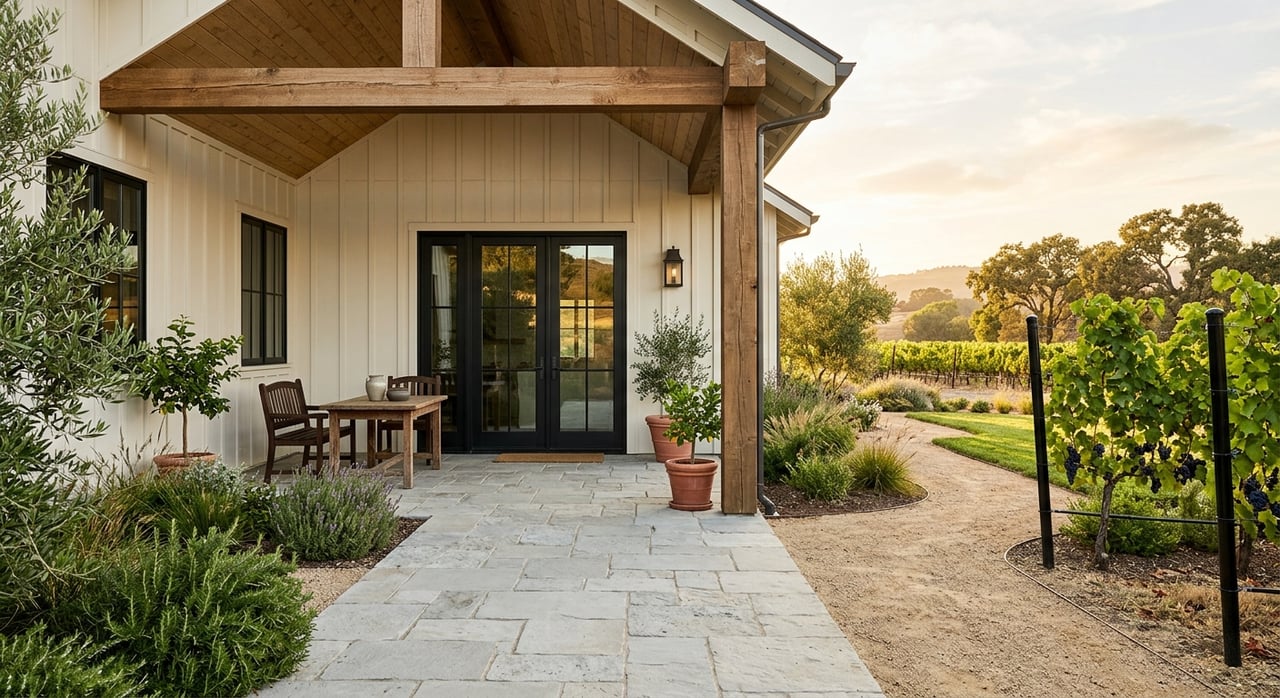
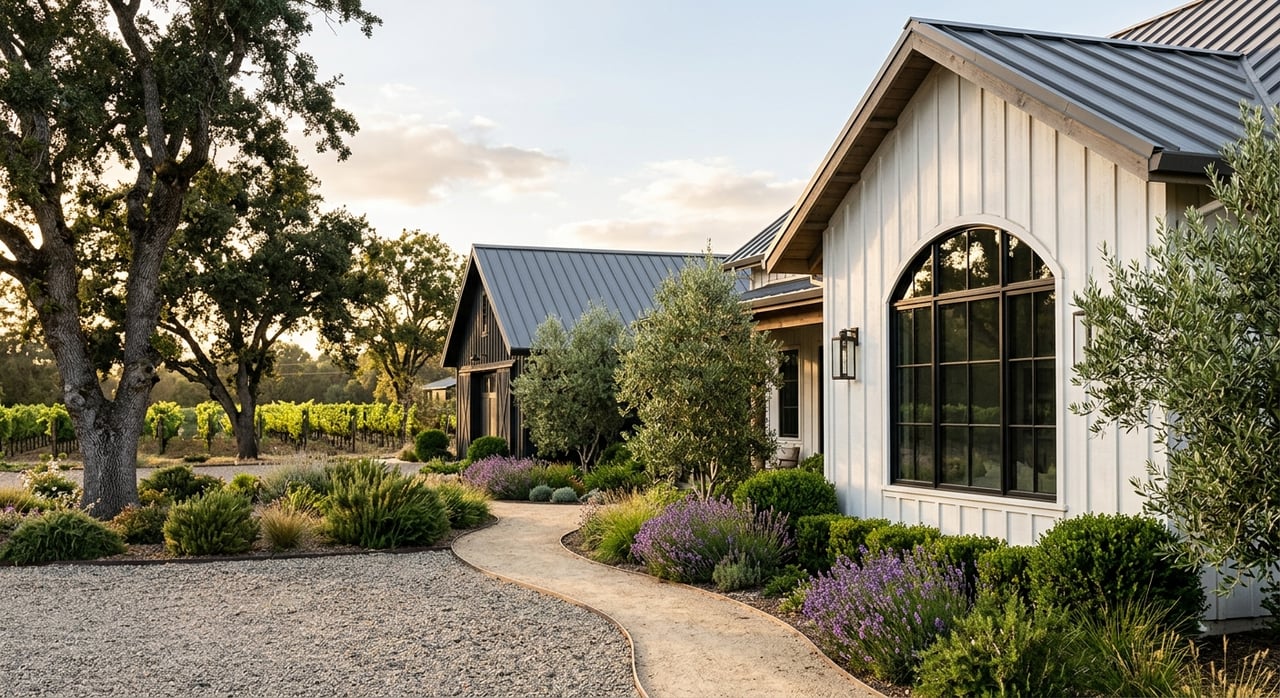
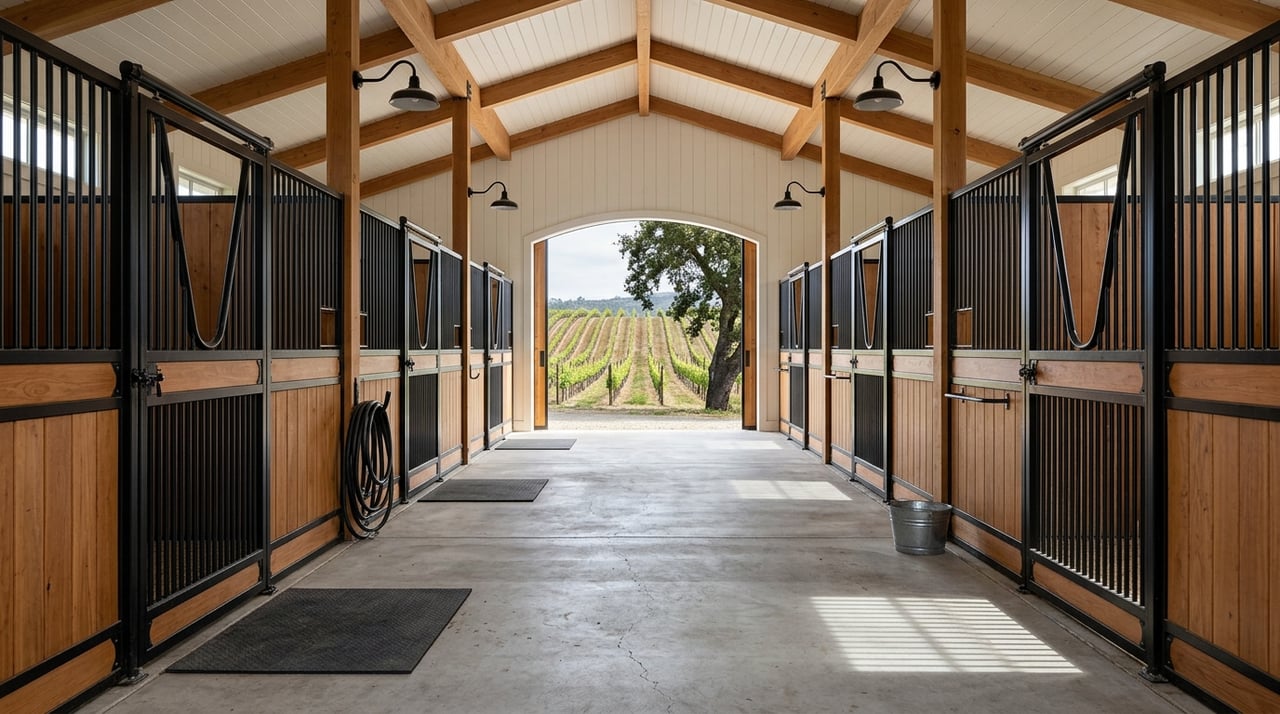
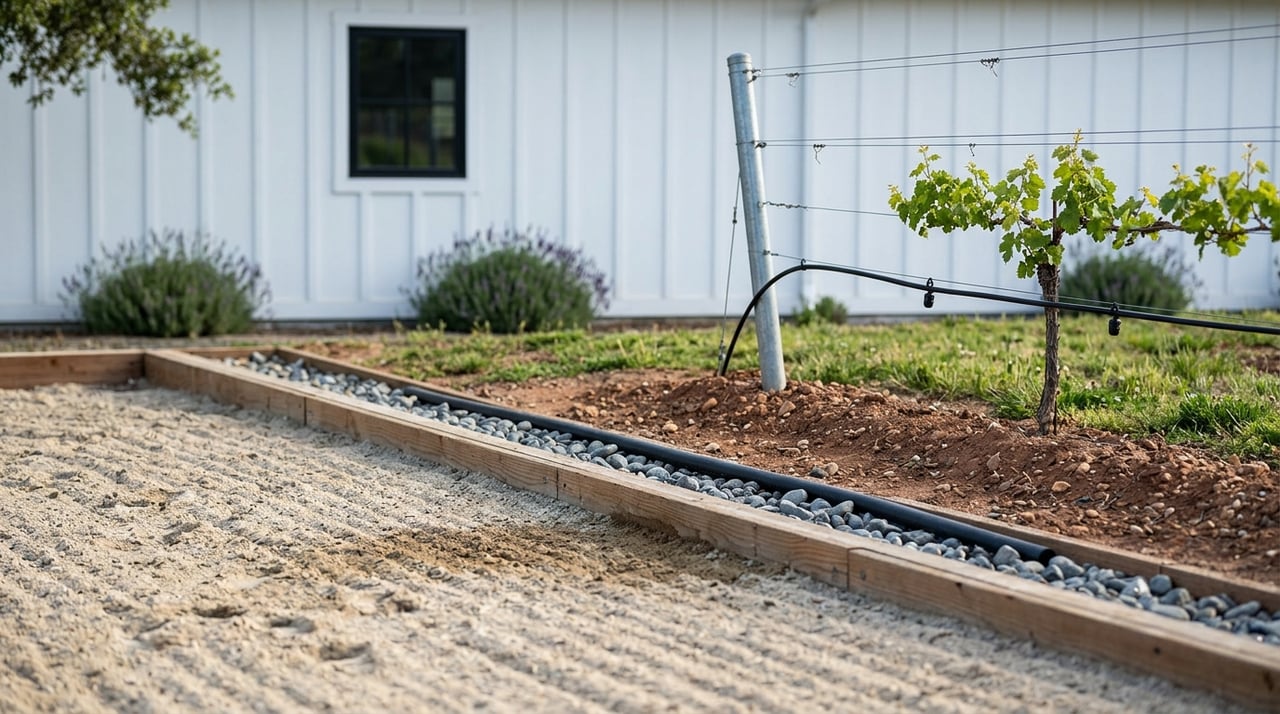
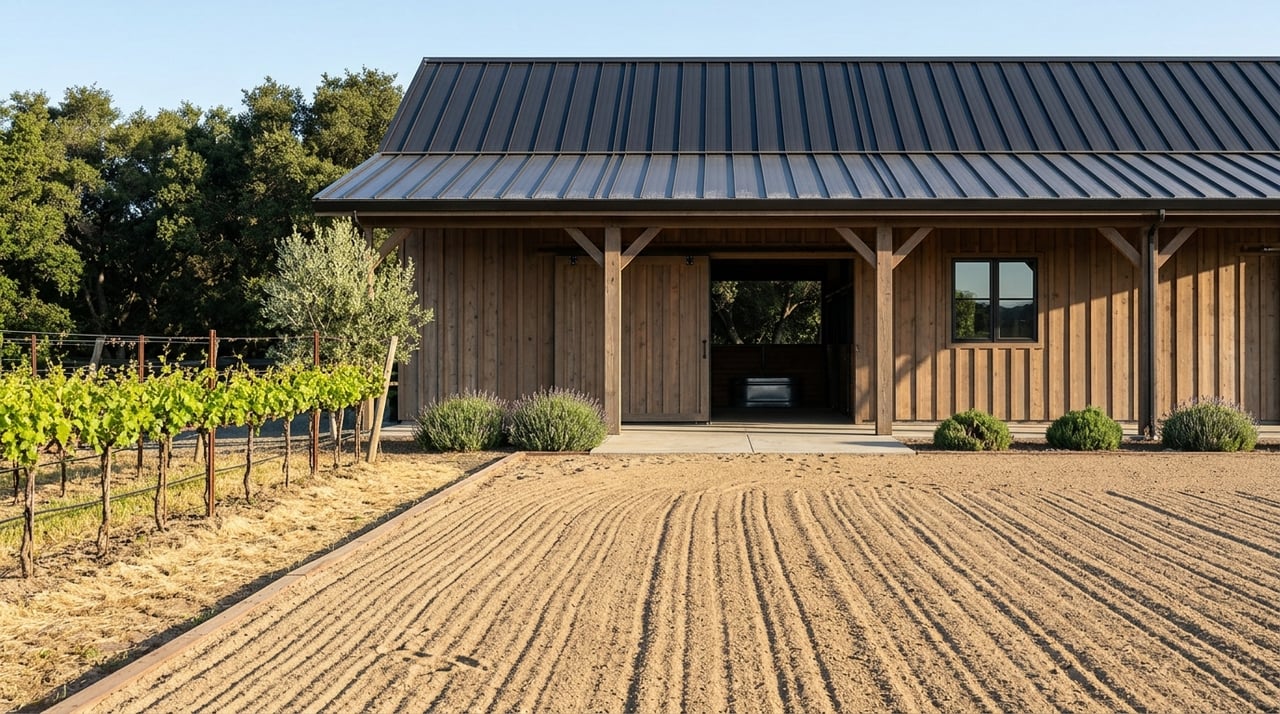
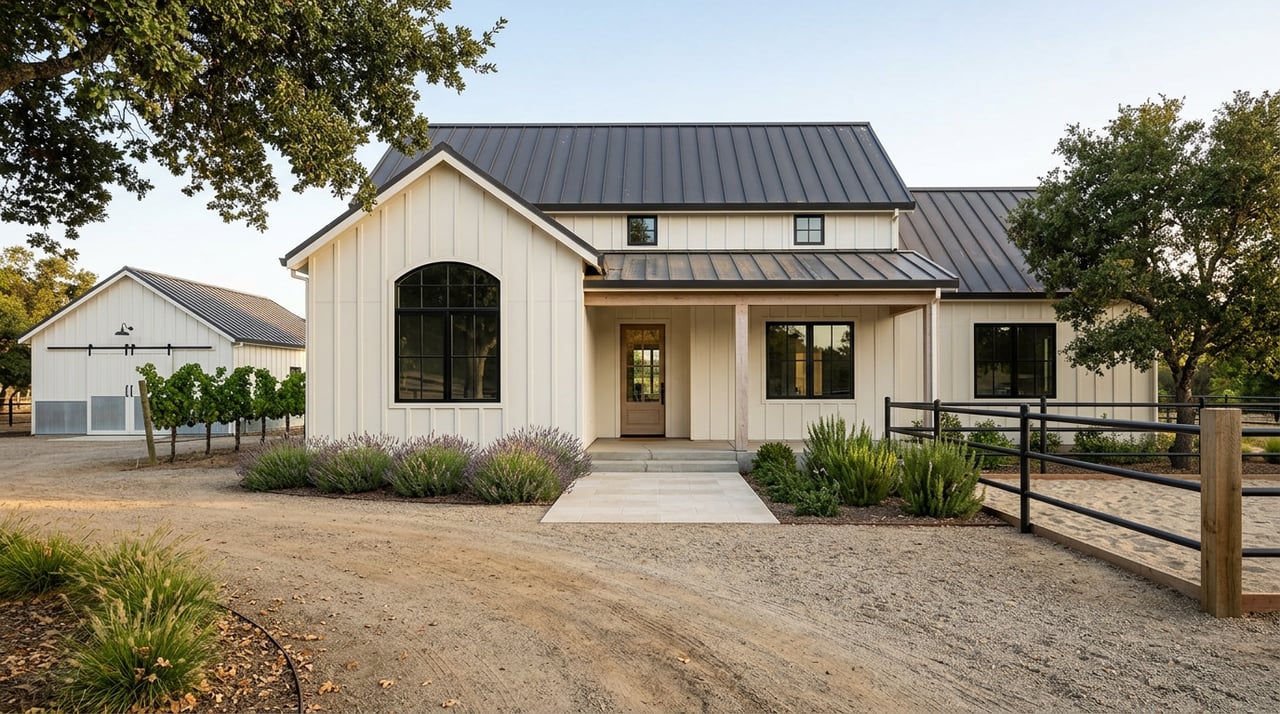
Nancy’s specialty is Country and Equestrian Property, which are unique, with wells, septic systems, barns and out buildings, often irrigation and riparian water rights that most real estate agent have no experience with. As an owner of a commercial horse facility, Nancy has personal experience managing all of this and is the agent you want representing you when buying or selling Country Property in Northern California.