Santa Rosa 95401 Land, Climate, Soils & Vineyard Potential
April 16, 2026
April 16, 2026
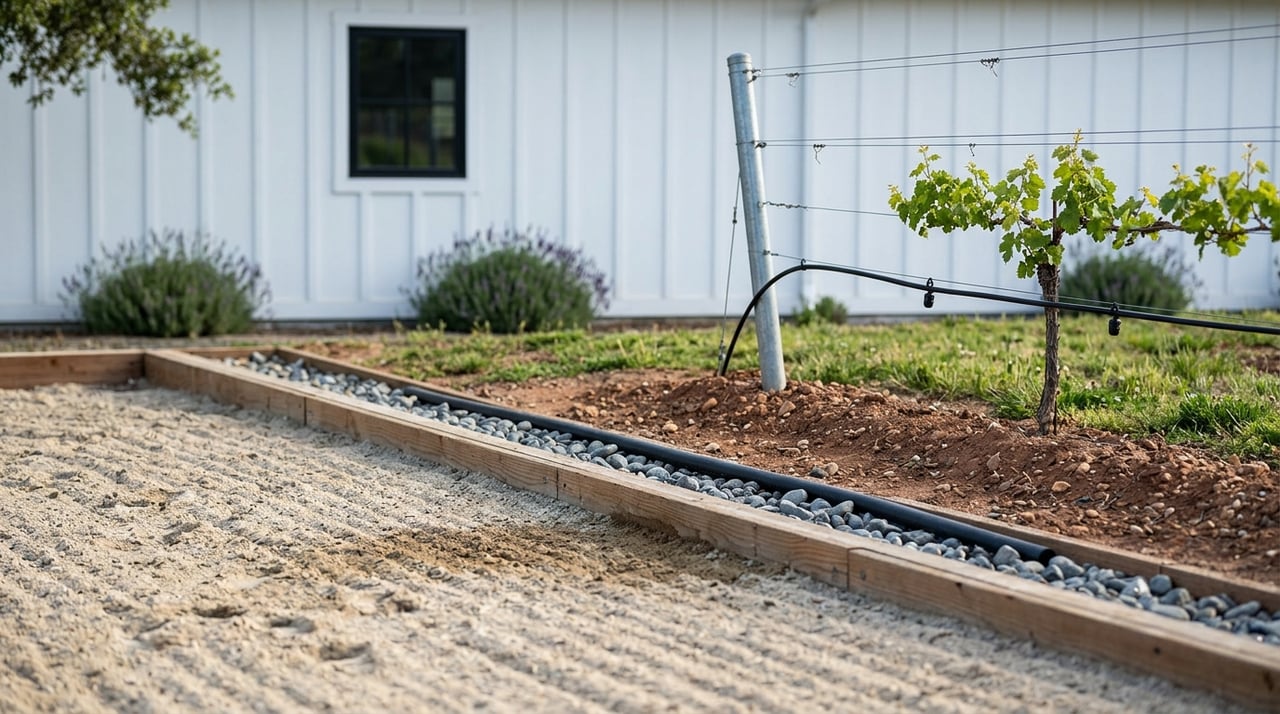
If you are looking at land in Santa Rosa’s 95401 horse-vineyard corridor, the view can be seductive. Rolling ground, vineyard rows, barns, and open pasture often make a property feel simple at first glance. In reality, the land here is all about nuance, and understanding climate, frost, soils, and drainage can help you see which parcels may offer flexibility for horses, vines, or both. Let’s dive in.
Santa Rosa’s 95401 area sits in a transition zone where coastal cooling reaches onto the Santa Rosa Plain and into much of the city. According to the UC Master Gardener Program of Sonoma County’s overview of Sonoma microclimates, nearby wine districts help illustrate this gradient, with areas like Fountaingrove, Chalk Hill, and Bennett Valley each showing different combinations of elevation, shelter, fog, and temperature.
That matters because two properties only a short drive apart can perform very differently. One site may hold cooler air and morning fog longer, while another may sit on a slope with more sun exposure and better airflow. If you are evaluating land for equestrian use, vineyard potential, or a combined estate, these differences shape daily use as much as aesthetics do.
In Sonoma County, there is no single frost date that applies to every parcel. The county winter weather guidance gives a broad first-frost average around mid-November and a broad last-frost average around mid-April, but it also explains that frost risk changes with elevation, slope, vegetation, wind, and soil moisture.
For buyers, that means you should think beyond the mailing address. A low area near a creek, basin, or flat field may behave very differently from a nearby hillside bench or gently sloped parcel. Small topographic changes can have a big effect on how cold air moves across a site.
Cold air is denser than warm air, so it flows downhill and pools in low spots at night. The same Sonoma County guidance notes that moist soil stores more heat than dry soil, which can also affect local conditions.
This is especially important if you are considering vines. In nearby Chalk Hill’s federal AVA description, the TTB notes that thermal belts can help protect vineyards from damaging spring frosts. In plain terms, some elevated or well-positioned sites may avoid the coldest air pooling that can affect flatter ground below.
The same Chalk Hill AVA materials describe roughly 36 inches of annual rainfall, with most of it falling from November 1 through March 31. That seasonal pattern matters whether you are thinking about turnout, drainage, access roads, or vineyard rows.
In the dry months, a parcel may look tidy and highly usable. In winter, that same property may reveal standing water, muddy gates, or drainage bottlenecks that are much more relevant to long-term ownership.
One of the most useful ways to read a parcel is by asking what kind of landform it sits on. Sonoma Water’s flood management materials describe the Santa Rosa Plain as a mix of ridgelines, alluvial fans, alluvial plains, and terrace deposits.
That may sound technical, but it has real-world implications. Active-channel areas often have better infiltration, while older finer-grained alluvium away from channels may have lower infiltration. In some parts of the broader basin, backwater effects can also increase flood risk.
Not all flat land behaves the same. A terrace site may drain one way, an alluvial fan another, and a low basin may hold moisture much longer than a gently sloped bench.
This is why reading a parcel map or disclosure package carefully matters. The same broad region can include ground that is relatively workable for barns, paddocks, or vines, alongside ground that becomes more limiting in winter.
The same Sonoma Water reference points to NRCS examples such as Cotati fine sandy loam and Clear Lake clay. Cotati fine sandy loam is described as moderately well drained but with very slow permeability in the subsoil, while Clear Lake clay shows wet-soil indicators and aquic conditions.
For a buyer, the takeaway is simple. Soil names are not just labels on a report. They can signal how quickly water moves, whether the ground may stay wet, and how much flexibility you may have for pasture management, circulation, or agricultural use.
For vines, the broad pattern across Sonoma County is fairly straightforward. The Sonoma County Winegrowers terroir overview notes that cooler fog-influenced sites tend to suit cool-climate grapes, while warmer inland or hillside sites can support later-ripening fruit.
That does not make one site better than another. It means the fit between the site and the planting plan matters. A parcel with cooler exposure may align with one style of vineyard use, while a warmer slope may point toward another.
Sonoma County Winegrowers highlights Chardonnay, Pinot Noir, and cool-climate Syrah in cooler coastal zones. It also notes that Cabernet Sauvignon, Merlot, Zinfandel, Sauvignon Blanc, and other Bordeaux or Rhône varieties appear more often in warmer inland or hillside districts.
Chalk Hill sits between those extremes, warmer than the greater Russian River Valley but cooler than Alexander and Dry Creek valleys, according to the same terroir overview. If you are evaluating land in Santa Rosa’s corridor, that middle-ground character can be especially relevant, since local slope, elevation, and fog exposure can shift a site’s growing profile.
Topography also influences vineyard performance. The TTB description of Chalk Hill refers to gently rolling to steep benchlands, tablelands, and hills, often contoured or terraced, while Sonoma County Winegrowers notes that slope and elevation strongly affect ripening in districts such as Fountaingrove.
For you as a buyer, this means the most attractive parcel is not always the flattest one. Moderate slope, good exposure, and drainage can create a more adaptable site for vines than a lower, heavier, wetter piece of ground.
Horse properties ask different questions, but many of the land basics are the same. According to UC Agriculture and Natural Resources guidance on horse management, pasture sites need appropriate soil and drainage, and wet soils can compact under trampling, which slows root growth and water infiltration.
That creates a practical challenge for equestrian use. A parcel that looks expansive in summer may become harder to manage in winter if turnout areas stay saturated, gates rut deeply, or hoof traffic turns wet soil into mud.
UCANR also advises keeping horses off wet pasture during irrigation or high-rainfall periods because muddy ground is harmful to both hoof health and pasture condition. This point is easy to overlook when touring a property in dry weather.
If horses are part of your plan, dry-footing areas, drainage, and seasonal circulation deserve close attention. The goal is not just acreage, but acreage that remains usable without excessive compaction or mud.
In broad terms, the most flexible parcels in this corridor often combine moderate slope, solid drainage, enough soil depth for water storage, and enough elevation or exposure to avoid frost pockets. The research summarized from Sonoma Water and UC sources supports that general pattern.
The least flexible parcels tend to be flat, clay-heavy, low-lying sites near creeks or basin bottoms, especially where winter wetness and hoof traffic may overlap. For buyers hoping to blend small-scale vineyard use with equestrian facilities, that distinction can shape renovation costs, management needs, and long-term enjoyment.
When you review maps, reports, and listings in Santa Rosa’s 95401 corridor, keep these questions front and center:
These are not just technical questions. They help you separate a beautiful property from a practical one.
In Santa Rosa’s horse-vineyard corridor, the value of a property is tied to more than acreage or appearance. Microclimate, soil behavior, winter drainage, and topography all influence how the land actually lives and works.
That is why careful property selection matters so much here. If you are considering a vineyard estate, equestrian property, or a hybrid of both, working with an advisor who understands the land-use details can help you avoid expensive assumptions and focus on parcels that truly fit your goals.
If you want discreet guidance on Santa Rosa and Sonoma County horse-vineyard properties, Nancy Manning offers a curated, relationship-first approach built around land, lifestyle, and long-term stewardship.
wine country property
wine country property
country property


Nancy’s specialty is Country and Equestrian Property, which are unique, with wells, septic systems, barns and out buildings, often irrigation and riparian water rights that most real estate agent have no experience with. As an owner of a commercial horse facility, Nancy has personal experience managing all of this and is the agent you want representing you when buying or selling Country Property in Northern California.