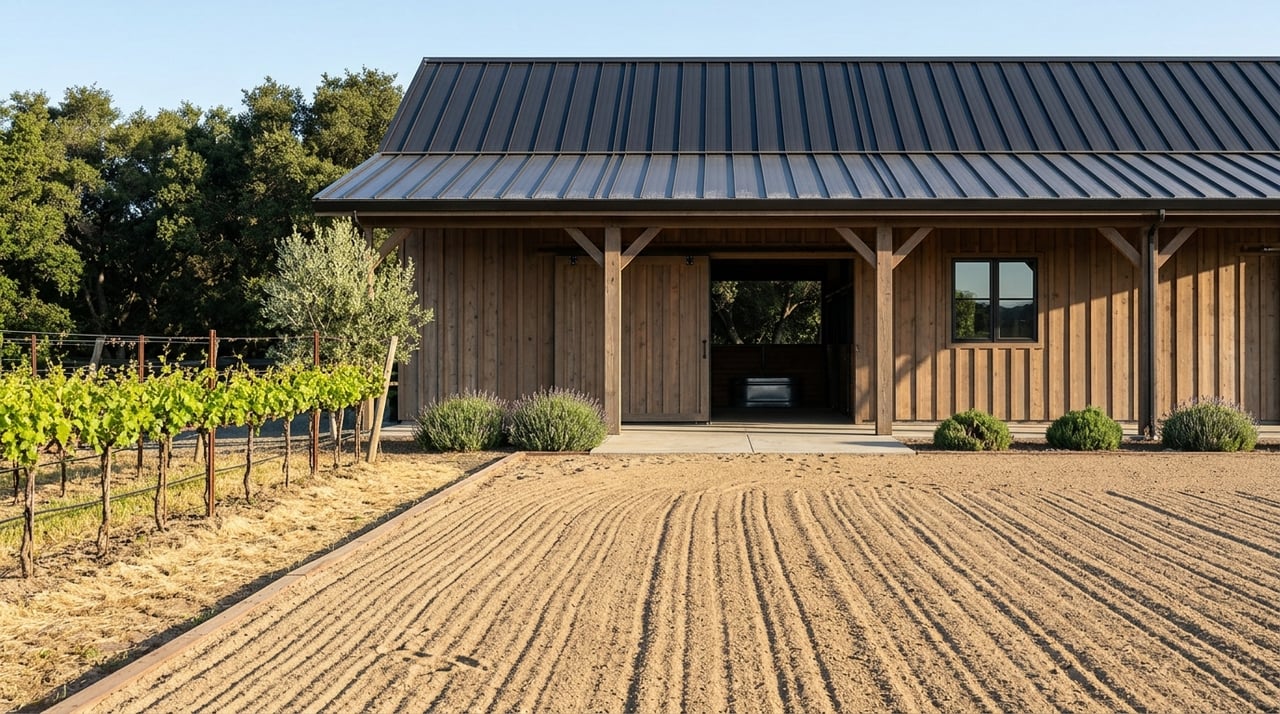
Pricing Cotati Hobby Vineyards with Barns & Arenas
April 2, 2026
April 2, 2026
Wondering how to price a Petaluma, Healdsburg or Santa Rosa Area property that includes a hobby vineyard, barn, and arena? You are not alone. These properties can be some of the hardest to value because they combine land, agriculture, equestrian infrastructure, and lifestyle appeal in one package. If you are planning to sell, buy, or simply understand the market better, it helps to know what really drives value in Vineyard & Equestrian properties. Let’s dive in.
The first step in pricing a Sonoma County hobby vineyard or horse property is confirming whether the property sits within city limits or in unincorporated Sonoma County. That distinction matters because zoning rules shape what uses are allowed, and those rules directly affect market value. The county parcel records can also show zoning, jurisdiction, land-use codes, and Williamson Act status, which is why a pricing analysis should begin with the actual parcel file, not assumptions about a property being simply “rural.”
A barn, arena, and vineyard may look impressive, but market value does not come from appearance alone. California appraisal guidance focuses on highest and best use, meaning the use must be legally permissible, physically possible, financially feasible, and maximally productive.
According to the California State Board of Equalization’s appraisal guidance, appraisers consider the property both as improved and as if vacant. That matters because if the land would be worth more without certain improvements, those features may add less value than expected.
This is one of the biggest pricing mistakes with hobby vineyard and equestrian properties. Owners often assume every dollar spent on a barn, arena, fencing system, or vine planting returns dollar for dollar in resale. In practice, buyers pay for utility and fit, not just cost.
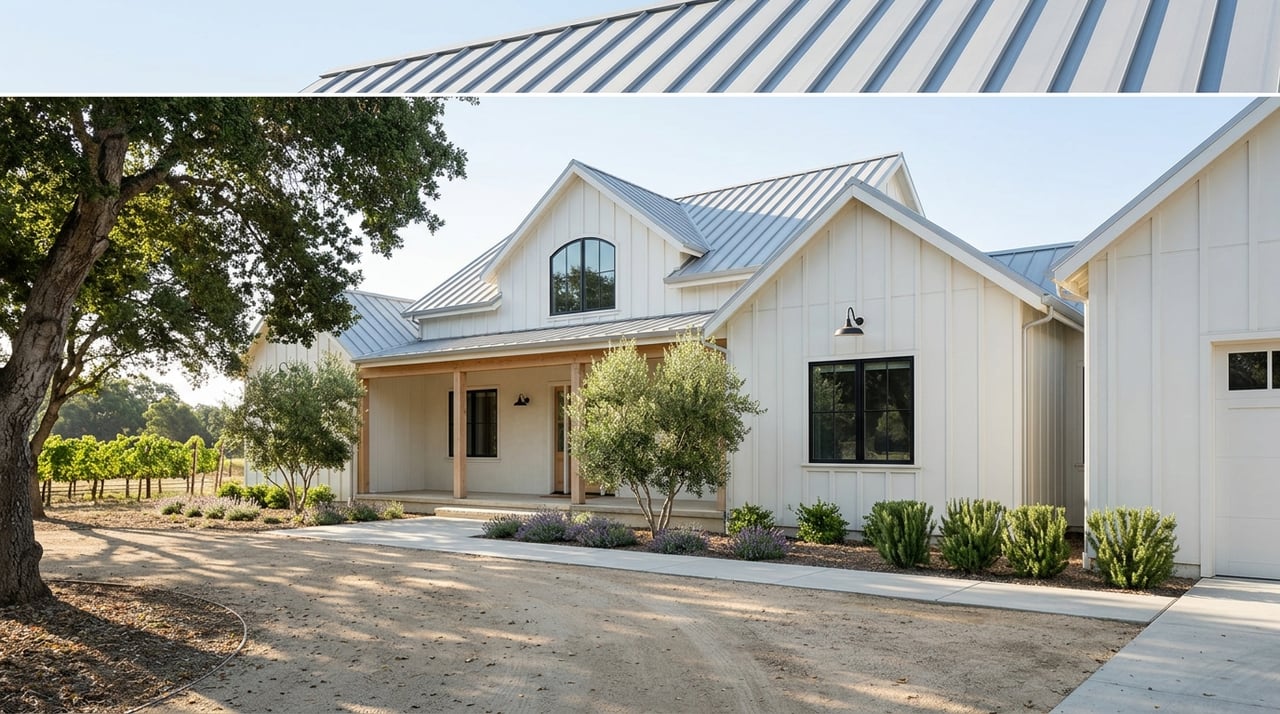
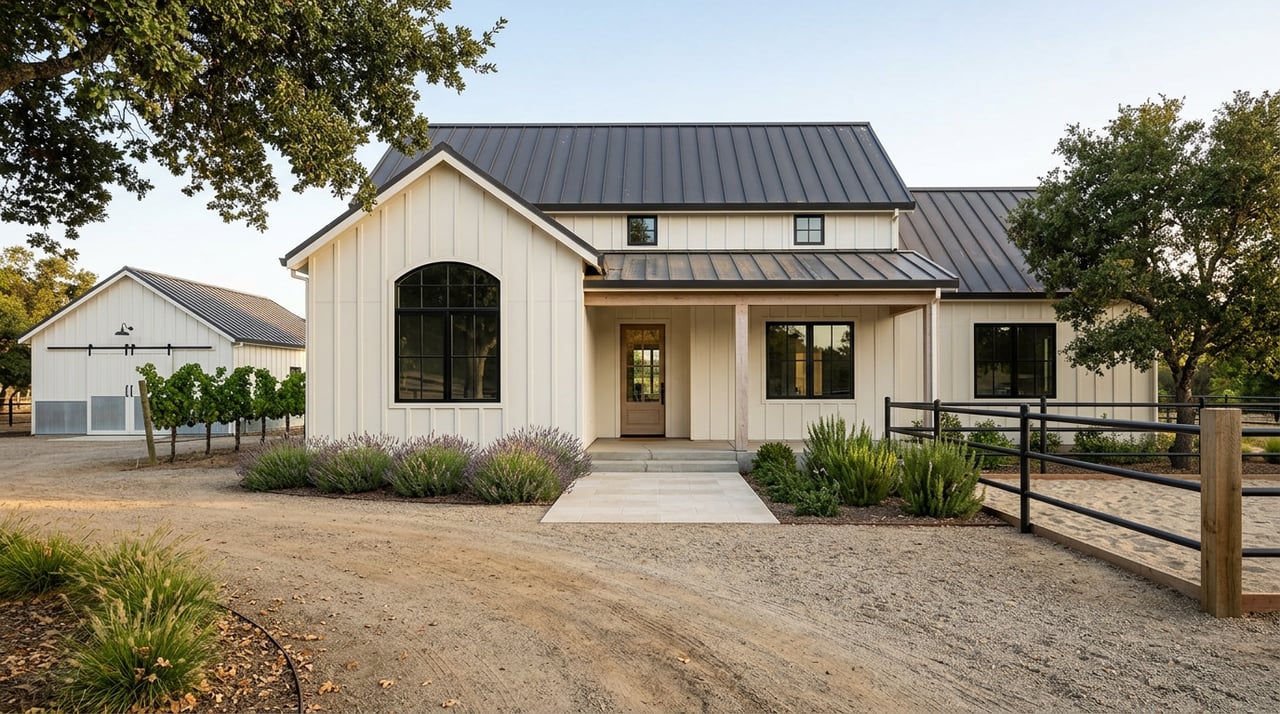
A Sonoma County hobby vineyard with equestrian features is usually not priced like a standard single-family home. It is better understood as a rural estate with multiple value components working together.
Those value layers often include:
Because of that, a generic suburban comparable sale may miss the mark. The strongest pricing approach is to separate the land from the improvements, then test how much each component contributes to the likely buyer pool.
The vineyard itself can contribute meaningful value, but only when buyers see it as functional, compliant, and worth maintaining. Sonoma County remains one of the most important wine regions in the state, and that broader context matters.
According to the 2024 Sonoma County Crop Report summary, the county reported $857.6 million in total agricultural production, with winegrapes as the leading commodity at $626.6 million. The report also noted about 57,020 bearing acres of winegrapes and 211,511.6 tons crushed.
That does not mean every small vineyard commands a premium. A hobby vineyard is influenced by broader grape-market conditions, the bearing status of the vines, and how the planting fits the property’s scale and buyer expectations.
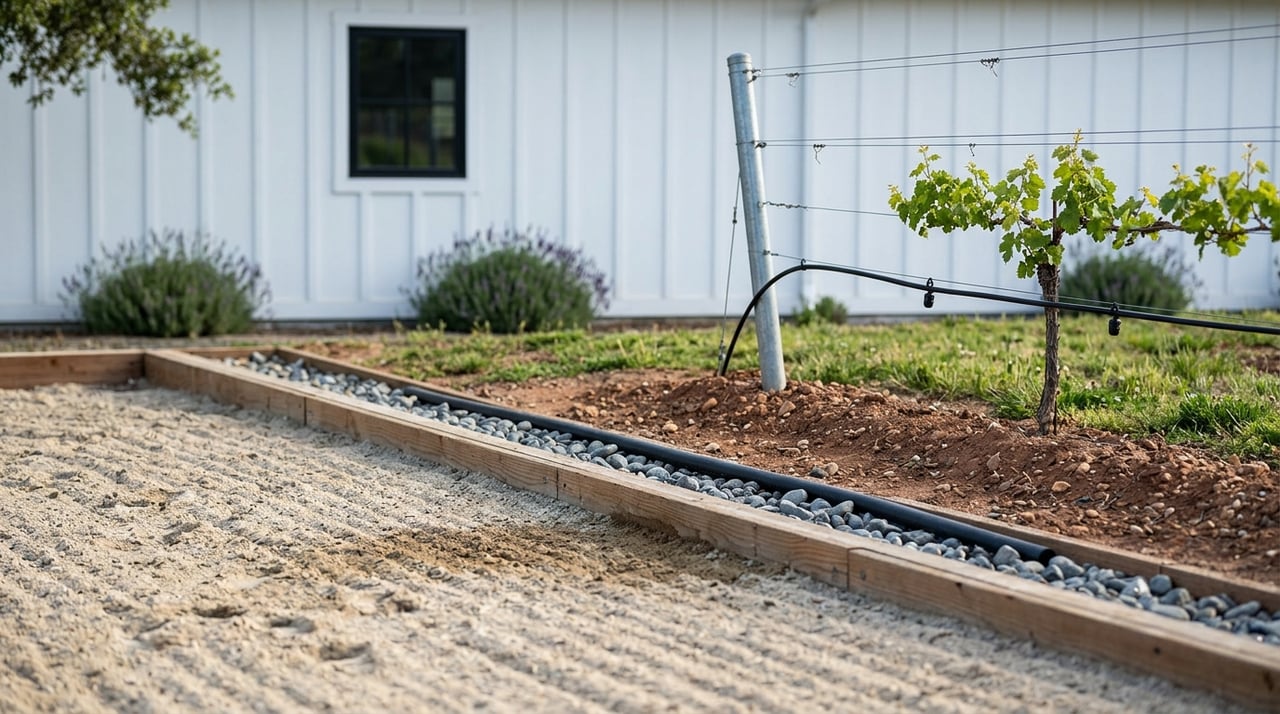
Sonoma County treats vineyards as more than simple landscaping. The county assessor explains that permanent plantings such as vineyards are assessable real property, along with fixed items like drip systems, trellis, and stakes.
The same county guidance notes that newly planted vineyards are exempt from taxation for the first three years. After that, the growing improvement is assessed at market value, then generally limited to annual increases of no more than 2% under Proposition 13. The county also states that grafting a vine is treated as a new planting, which resets the exemption period.
For pricing, this means vine age, planting history, and fixed support infrastructure are not minor details. They help shape both the property’s operating profile and how buyers view future ownership costs.
Buyers also look at whether the vineyard was developed and maintained with the proper county standards in mind. Sonoma County’s Vineyard and Orchard Site Development program requires compliance with planting, grading, drainage, and best management standards for new planting and replanting.
That means drainage, erosion control, and permit history can influence value. A tidy vineyard block with clear compliance history often inspires more confidence than one with unanswered questions about site work or prior development.
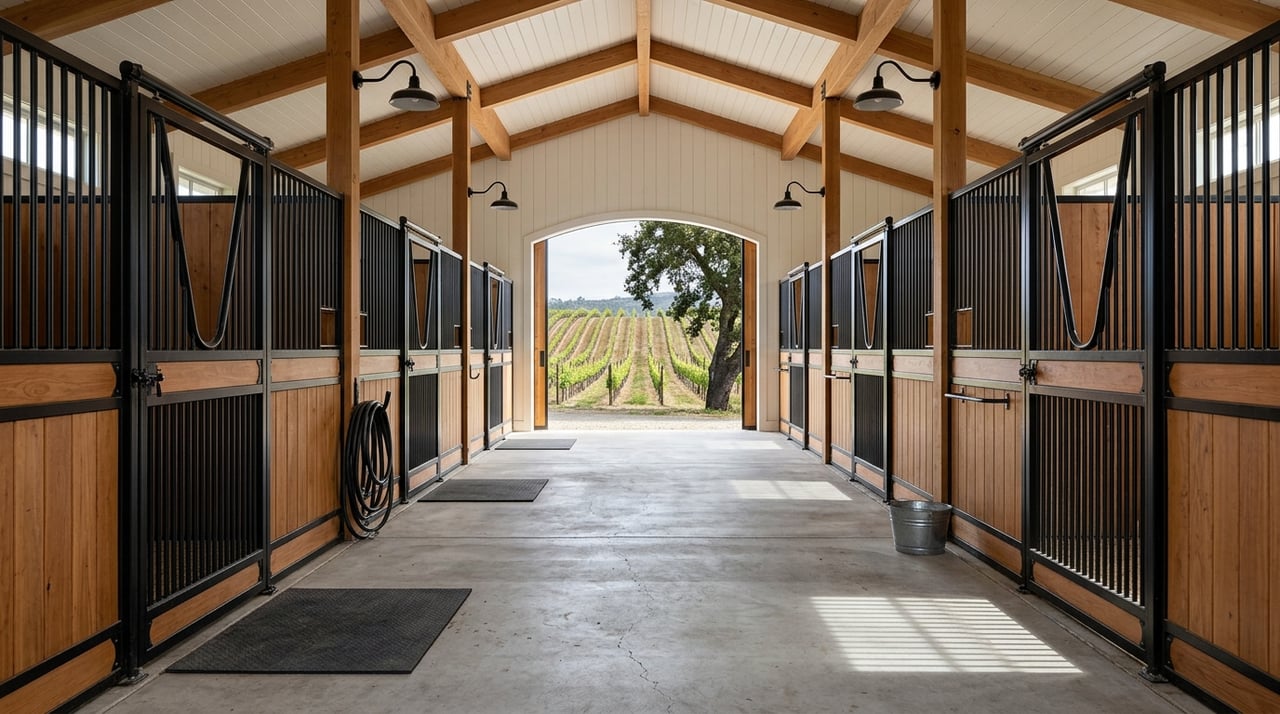
The barn and arena can be major assets, but only if they are legal, functional, and appropriate for the property. Their value is based on contributory value, not replacement cost alone.
A well-sited and properly permitted barn can support value. An arena or outbuilding that creates concerns about siting or compliance may narrow the buyer pool instead.
USDA appraisal guidance also supports this idea. It states that capital improvements should be valued by their contributory value, supported by market evidence or appropriate valuation methods. In plain terms, the real question is how much the barn, arena, fencing, paddocks and pastures, driveways, and irrigation improve usefulness for the next buyer.
When buyers assess equestrian improvements, they often focus on practical function, including:
These details help determine whether the property feels cohesive or compromised. Even a beautiful improvement can underperform in value if it does not work well with the site.
Sonoma County property records are useful because they reinforce how land and improvements are valued separately. The county explains that real property records may show land value, improvement value, personal property value, exemption value, lot size, and net values.
This is especially helpful for hobby vineyard properties, where the land, structures, and planted improvements all play different roles. It also aligns with California property-tax rules, which note that new construction can include additions to land and improvements, while normal maintenance usually does not.
If a barn was newly built, an arena was substantially rebuilt, or vineyard support systems were significantly upgraded, those changes may be viewed differently from routine upkeep. That distinction can matter when you are evaluating both current condition and long-term ownership costs.
One of the hardest parts of pricing a hobby vineyard or equestrian property is finding the right comparable sales. The buyer pool for a property with vines, equestrian improvements, and residential appeal is usually much smaller than the pool for a standard home.
That is why generic neighborhood comparables often fall short. A more defensible approach is to compare the property against similar rural-residential, vineyard-oriented, or equestrian-influenced sales, then make careful adjustments for legal use, land utility, vine condition, and the contributory value of the barn and arena.
If you are trying to estimate value for a Petaluma, Healdsburg or Santa Rosa area hobby vineyard with a barn and arena, this framework can help:
This type of property deserves a more precise lens than a standard residential estimate. When land use, vines, and equestrian features intersect, small details can move value in a meaningful way.
If you are considering a sale or simply want a clearer view of how the market may see your property, Nancy Manning offers a refined, specialist approach to vineyard-and-equestrian real estate across wine country.
Nancy’s specialty is Country and Equestrian Property, which are unique, with wells, septic systems, barns and out buildings, often irrigation and riparian water rights that most real estate agent have no experience with. As an owner of a commercial horse facility, Nancy has personal experience managing all of this and is the agent you want representing you when buying or selling Country Property in Northern California.